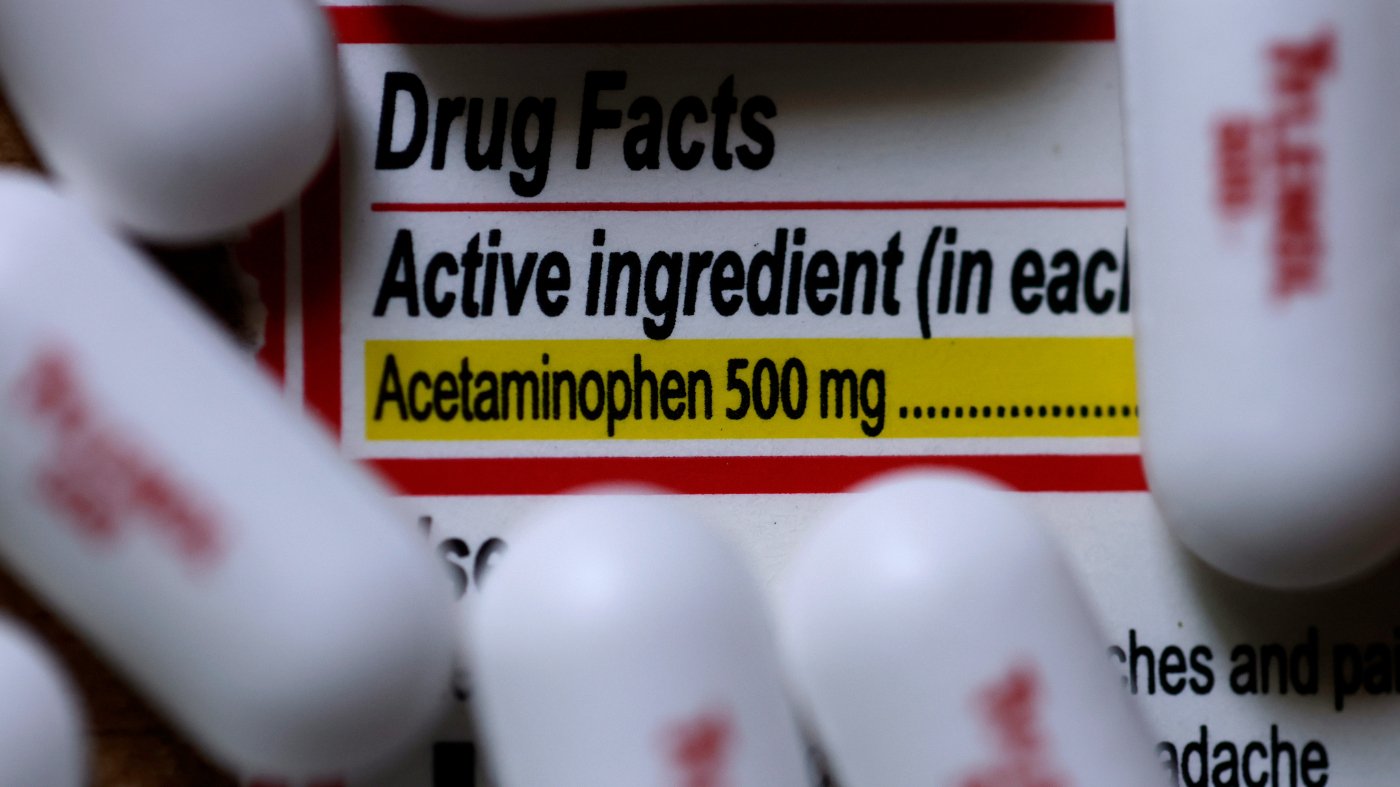
A federal appeals court on Monday breathed new life into hundreds of lawsuits alleging a link between acetaminophen—the active ingredient in Tylenol—and neurodevelopmental disorders such as autism and attention deficit hyperactivity disorder (ADHD). The decision from the 2nd U.S. Circuit Court of Appeals reverses a lower court's exclusion of expert testimony that plaintiffs say supports their claims.
In a 64-page ruling, Circuit Judge Guido Calabresi—a Bill Clinton appointee—wrote that the district court had improperly tossed out testimony from qualified scientific experts. Those experts, the appeals panel found, relied on methodologies accepted in their fields, even if scientists disagree on the ultimate causal question. “Those concededly qualified experts offered opinions that comport with methodologies applied by other scientists in their fields, and constitute acceptable interpretations of scientific evidence where scientists may, and in fact do, disagree,” Calabresi wrote.

The ruling does not establish that acetaminophen actually causes autism or ADHD. Calabresi stressed that the decision was procedural, dealing only with the admissibility of expert testimony, not the merits of the underlying science. The case now returns to the lower court for further proceedings.
Defendants in the consolidated multidistrict litigation include major pharmacy chains—Walgreens, CVS, Walmart, and Target—as well as Kenvue, the consumer health company spun off from Johnson & Johnson that now manufactures Tylenol. Plaintiffs allege that these retailers and the manufacturer failed to warn pregnant women about potential risks associated with acetaminophen use during pregnancy.
Kenvue has consistently denied any proven link between its product and neurodevelopmental disorders. In a statement Monday, the company said: “The procedural ruling today does not change the fact that credible, independent science shows no proven link between taking acetaminophen and autism or attention deficit hyperactivity disorder (ADHD). Science matters, and we stand with the many public health and medical professionals who have reviewed the science on this topic and agree.” Kenvue added that it is exploring all options, including a possible appeal, and vowed to continue defending the cases.
The American College of Obstetricians and Gynecologists has also repeatedly rejected the alleged connection, maintaining that acetaminophen remains the safest option for managing fever and pain during pregnancy.
Kenvue’s stock slid 1.35 percent on Monday, reflecting investor unease over the revived litigation.
The appeals court’s decision comes amid heightened political attention to the issue. Last year, President Donald Trump and Health and Human Services Secretary Robert F. Kennedy Jr. publicly warned pregnant women against taking acetaminophen. Kennedy asserted at the time that the Food and Drug Administration would begin updating the drug’s label and notify physicians that Tylenol “can be associated with a very increased risk of autism.” The FDA has not yet taken those steps, and the agency’s official position remains that acetaminophen is safe when used as directed.
The revived lawsuits are likely to intensify the debate over drug safety warnings and the role of expert testimony in mass tort litigation. For now, the 2nd Circuit has handed plaintiffs a procedural victory, but the ultimate question of causation remains unresolved. As recent Supreme Court rulings on federal preemption have shown, the intersection of state tort law and federal regulatory authority can be a minefield for both plaintiffs and defendants.
Legal observers note that the case could test the boundaries of how courts evaluate scientific evidence, especially in high-stakes mass torts involving widely used consumer products. The next phase will likely involve renewed battles over expert admissibility as the parties prepare for trial.