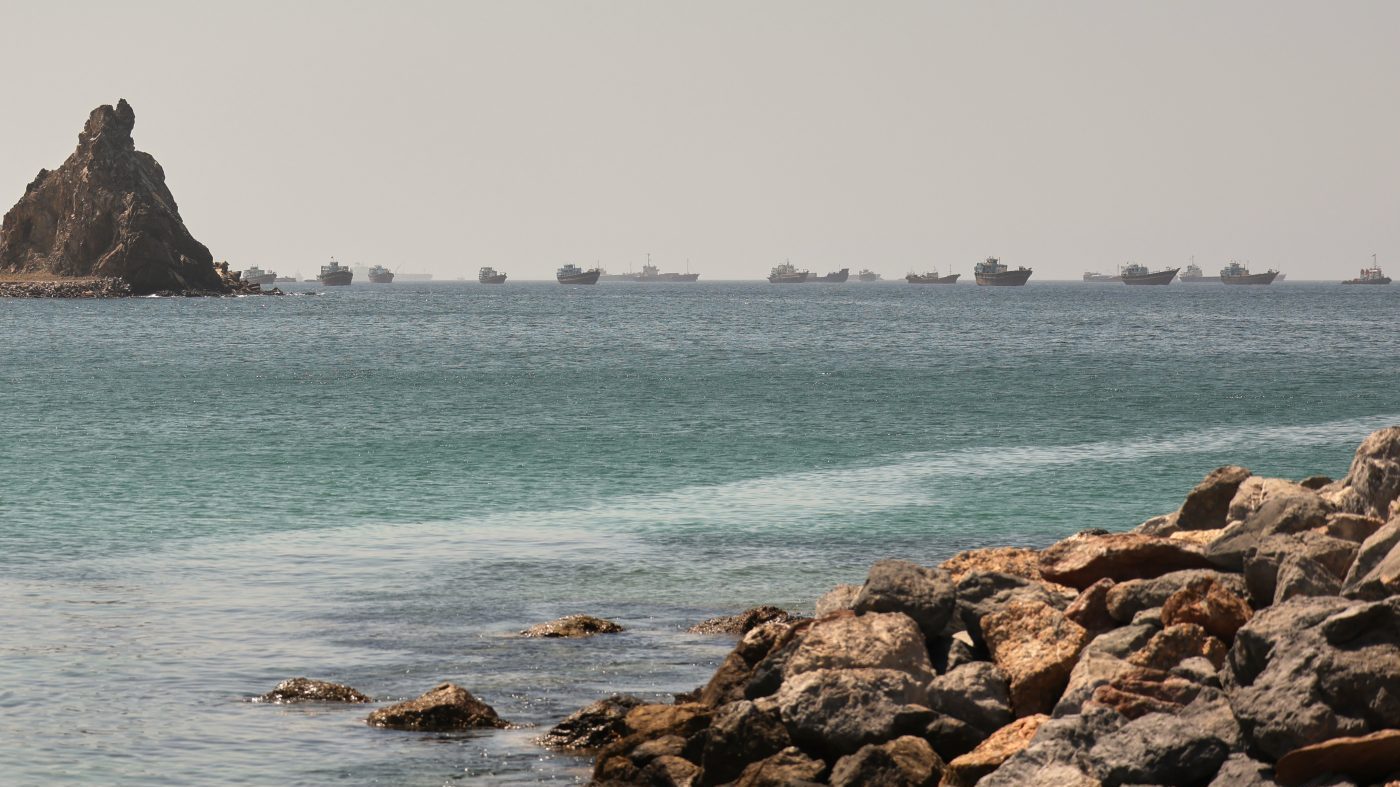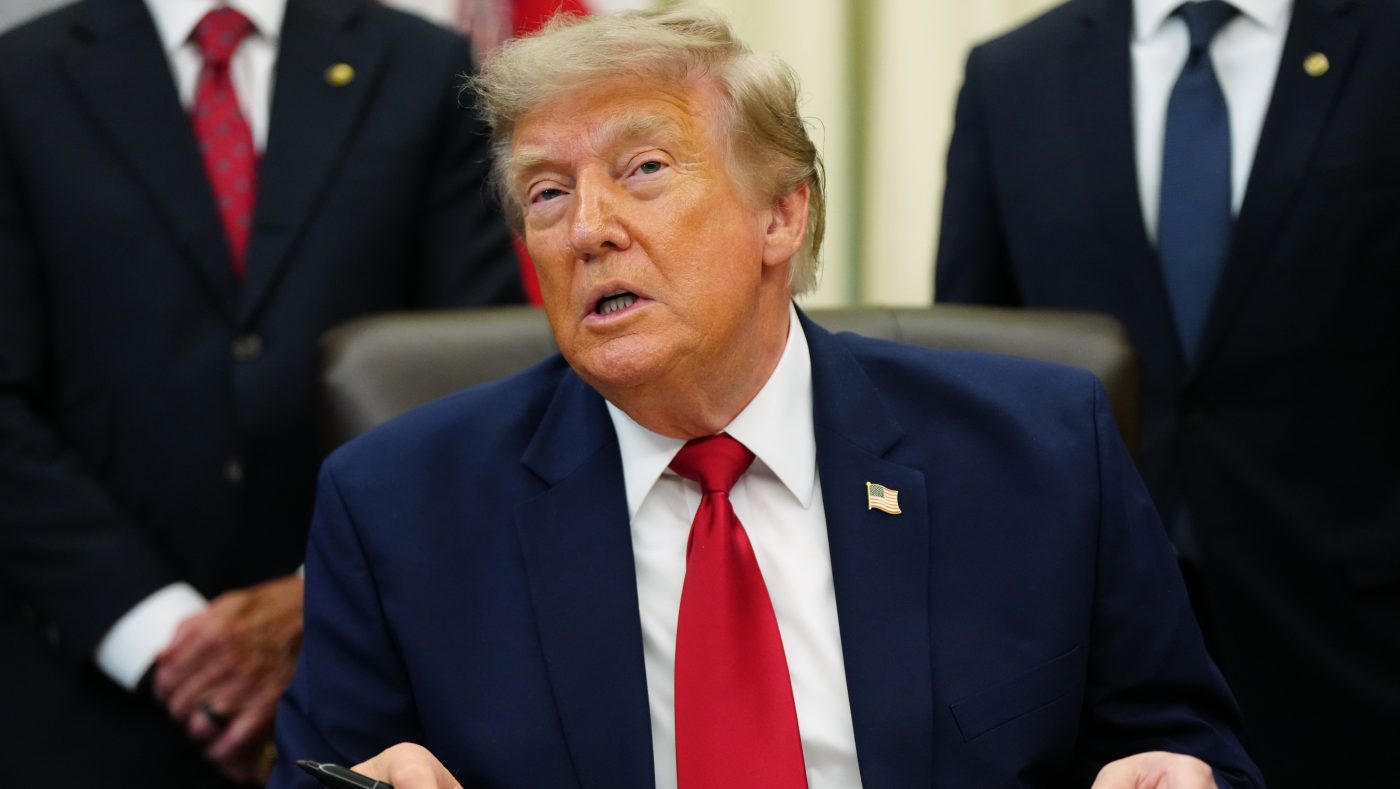
President Trump on Monday demanded that several Persian Gulf states foot the bill for US naval protection in the Strait of Hormuz, escalating a new front in his administration's pressure campaign against Iran. Speaking from the Oval Office, Trump singled out Saudi Arabia, Qatar, the United Arab Emirates, Kuwait, and Bahrain as allies who should be compensating Washington for securing one of the world's most critical oil transit chokepoints.
"Yeah, I want to be reimbursed because we're protecting a very rich portion of the world, we're spending money, and so what we've done is we are going to be reimbursed for protection," Trump said. He added that the US does not "need" those countries because "we have more oil than any other country in the world."
The remarks came as the administration announced it would impose a 20 percent fee on vessels transiting the strait, a move Trump framed as a reimbursement for the costs of maintaining a naval blockade against Iran. The blockade, set to take effect Tuesday at 4 p.m. EDT according to US Central Command, is part of a broader effort to choke off Tehran's maritime activities after a series of Iranian attacks on commercial shipping.
Trump's demand for payment signals a transactional approach to alliances that has long defined his foreign policy. By naming the Gulf states — all of which host US military installations — he effectively put them on notice that continued security cooperation hinges on financial contributions. "They will do very well," Trump said. "But we think it's appropriate."
Iranian Foreign Minister Abbas Araghchi swiftly countered Trump's narrative, asserting that Iran is the rightful guardian of the strait and should be the one compensated. "POTUS is absolutely right. Whoever provides secure and safe passage of commercial vessels through the Strait of Hormuz should be compensated for this service," Araghchi wrote on social media. "Iran has always been the GUARDIAN of the Strait and will remain so FOREVER." He called the 20 percent fee excessive and promised Iran would be "fair."
The standoff marks a significant escalation in US-Iran tensions, with Trump apparently seeking to squeeze Tehran economically while also extracting payments from allies. The president is expected to address the nation Thursday amid the renewed crisis, according to a report on the upcoming speech. Critics have questioned whether the blockade strategy is sustainable, with some arguing it risks alienating key partners in the region. Analysts have noted the lack of a clear endgame.
The move also comes as the administration pursues other aggressive policies, including potential strikes on Iran's nuclear facilities. Trump has hinted at military action against deeply buried Iranian nuclear sites, adding to the sense of a broader confrontation. The Strait of Hormuz, through which about 20 percent of the world's oil passes, remains a flashpoint where any miscalculation could trigger a wider conflict.
For the Gulf states, the demand presents a delicate balancing act. They rely on US security guarantees but also maintain economic and diplomatic ties with Iran. Trump's insistence on reimbursement may strain those relationships, even as his administration pushes for a unified front against Tehran. The coming days will test whether the president's transactional approach can secure the strait without sparking a regional crisis.