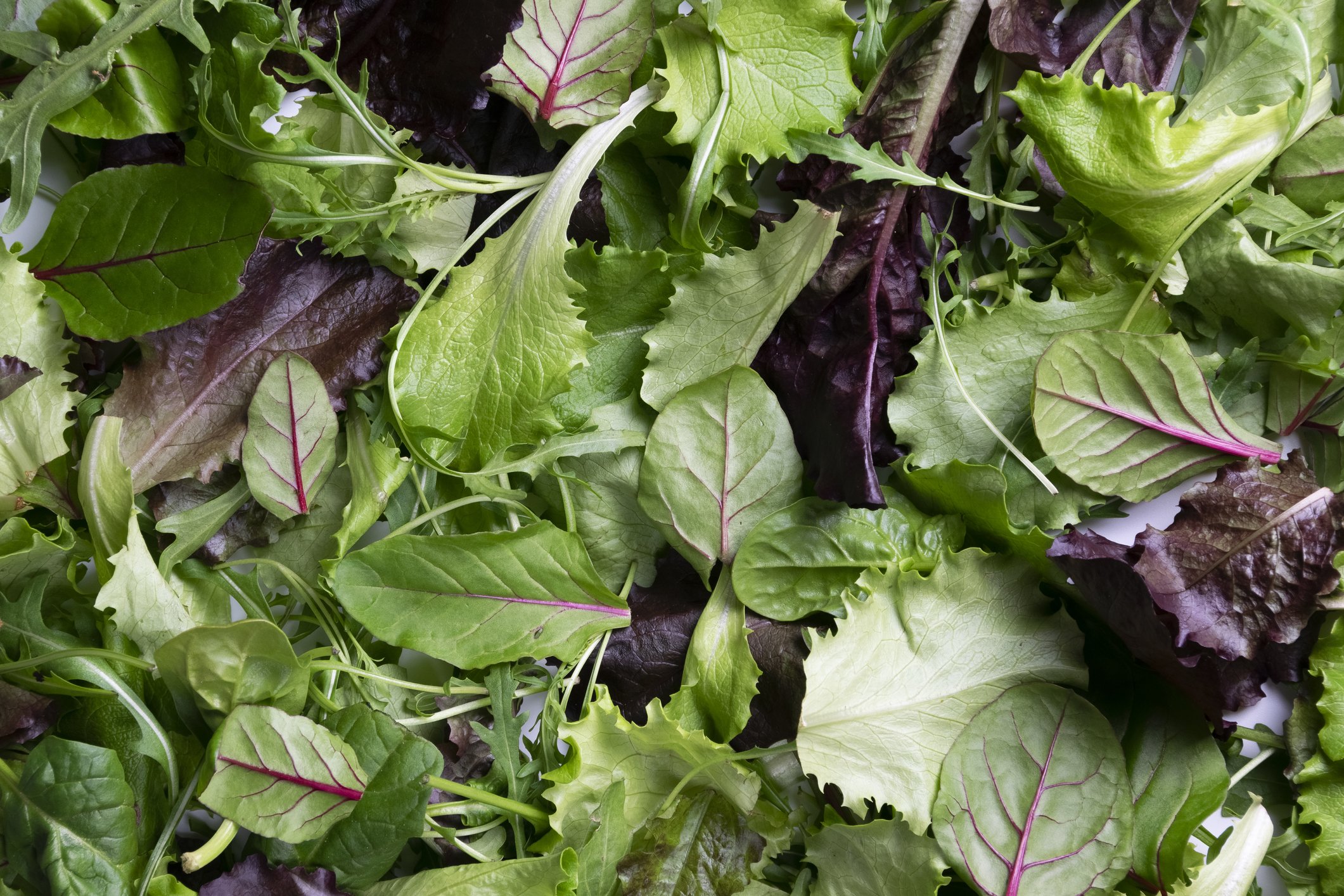
Michigan health authorities have identified lettuce or salad greens as the likely culprit behind a statewide outbreak of the parasitic illness cyclosporiasis, which can cause severe, watery diarrhea. The Michigan Department of Health and Human Services (MDHHS) announced Monday that while other food items remain possible, investigative findings consistently point to these leafy greens.
As of the latest update, the outbreak has escalated significantly, with the Centers for Disease Control and Prevention (CDC) reporting 843 confirmed cases across multiple states. The CDC is actively probing contaminated produce, but officials have yet to pinpoint a specific grower, supplier, or type of lettuce responsible for the infections. This uncertainty has heightened concerns among public health experts and consumers alike.

Cyclosporiasis is caused by the microscopic parasite Cyclospora cayetanensis, which is typically transmitted through contaminated food or water. Symptoms include explosive diarrhea, stomach cramps, nausea, and fatigue, often lasting weeks if untreated. The illness can be particularly severe for individuals with weakened immune systems.
The MDHHS investigation, conducted in collaboration with local health departments and the CDC, has not ruled out other potential sources, such as fresh herbs or imported produce. However, the strong association with salad greens has prompted officials to urge caution when consuming raw vegetables. The CDC's ongoing investigation into contaminated produce remains a key focus of the response.
This outbreak comes at a time when federal funding for public health initiatives is under strain, raising questions about the capacity to monitor and respond to foodborne illnesses. Experts warn that such outbreaks could become more frequent as climate change and global supply chains introduce new risks. Public health gains are at risk as federal funding dries up, potentially hampering efforts to trace and contain these threats.
Political leaders in Michigan have called for swift action to protect consumers. Senator Gary Peters has endorsed a moderate bid for the state's Senate seat, emphasizing the need for robust food safety regulations. Meanwhile, some lawmakers are pushing for broader reforms, including a breakup of major health insurers to address systemic issues in the healthcare system.
Health officials advise consumers to thoroughly wash all produce and cook it when possible to reduce the risk of infection. Those experiencing symptoms should seek medical attention and report their cases to local health departments. The MDHHS continues to update the public as new information emerges.
The cyclosporiasis outbreak underscores the ongoing challenges in ensuring food safety and the importance of coordinated public health responses. As investigations proceed, the focus remains on identifying the source and preventing further cases.