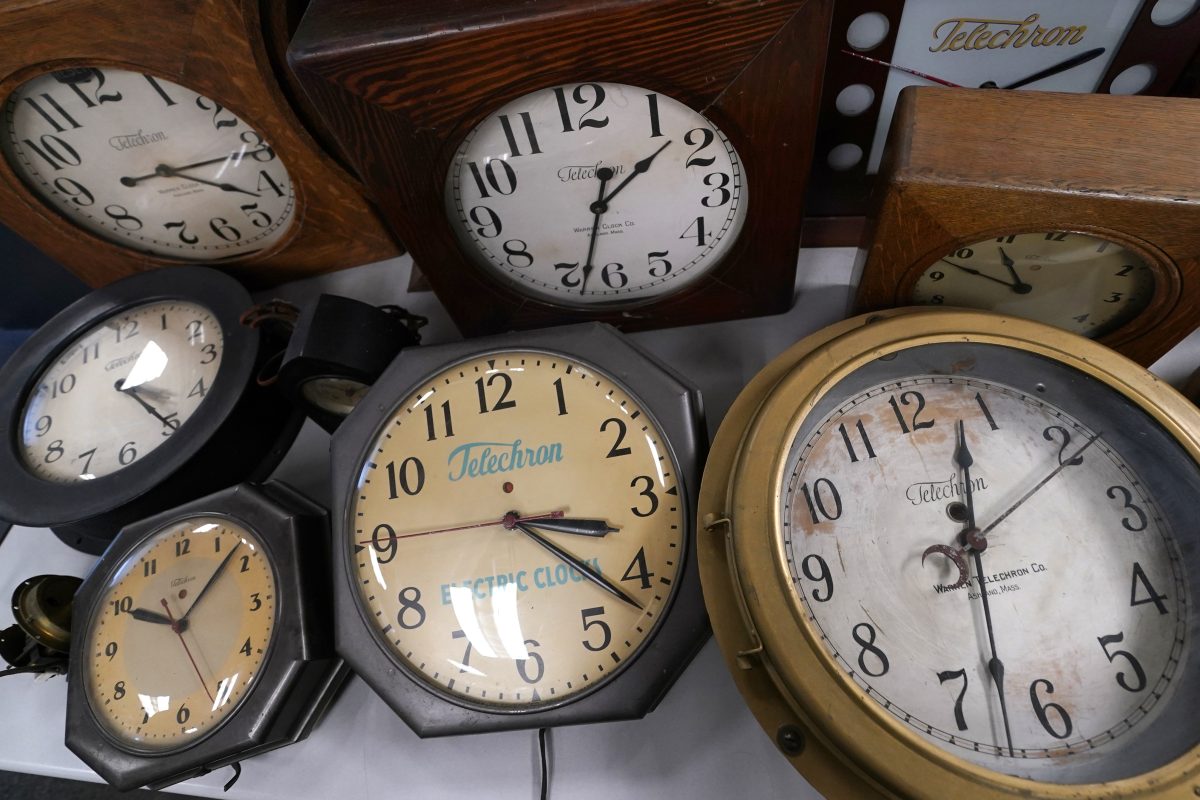
A new legislative proposal in Congress is taking the opposite tack from the well-known push to make daylight saving time permanent, instead aiming to lock in standard time year-round. The bill, introduced by a bipartisan group of lawmakers, would end the twice-yearly clock change for most of the country, with a few carve-outs for regions that prefer to stay on daylight time.
The move comes as the House of Representatives prepares to vote this week on the latest version of the Sunshine Protection Act, which would make daylight saving time—the time currently in effect—permanent. That bill passed the Senate in 2022 but has stalled in the House since. The new standard-time bill offers a clear alternative, reigniting a long-running debate over which time system best serves the nation.

Under the standard-time proposal, states that currently observe daylight saving time would remain on standard time permanently. However, states that already opt out of daylight saving—like Hawaii and most of Arizona—could continue on their current schedules. The bill also allows any state to switch to permanent daylight time if its legislature votes to do so and receives federal approval.
Supporters of permanent standard time argue that it aligns better with human circadian rhythms, potentially improving sleep and health outcomes. They point to research showing that the spring-forward shift increases heart attacks, strokes, and traffic accidents. “We should not be forcing our bodies to operate on a schedule that conflicts with natural light,” said one of the bill’s sponsors.
Proponents of permanent daylight saving time, on the other hand, emphasize the economic benefits of longer evening daylight, including reduced crime and increased consumer spending. The Sunshine Protection Act has broad bipartisan backing in the Senate, and its House version is expected to receive a floor vote as soon as this week, though its fate remains uncertain.
The back-and-forth over time reform is nothing new. The U.S. has experimented with year-round daylight saving twice before—during World War II and in the 1970s—only to revert after public backlash. The current legislative push reflects a growing frustration with the biannual clock change, which polling shows most Americans want to end.
As the House weighs the Sunshine Protection Act, the new standard-time bill injects another variable into the equation. Lawmakers may now have to choose between two competing visions for how Americans will set their clocks in the years ahead. The House vote on daylight saving permanency could set the stage for a broader debate on time policy.
For now, the clock is ticking. With both bills in play, the outcome could reshape daily life for millions of Americans—unless Congress once again fails to act, leaving the nation stuck in its perennial time-change cycle.