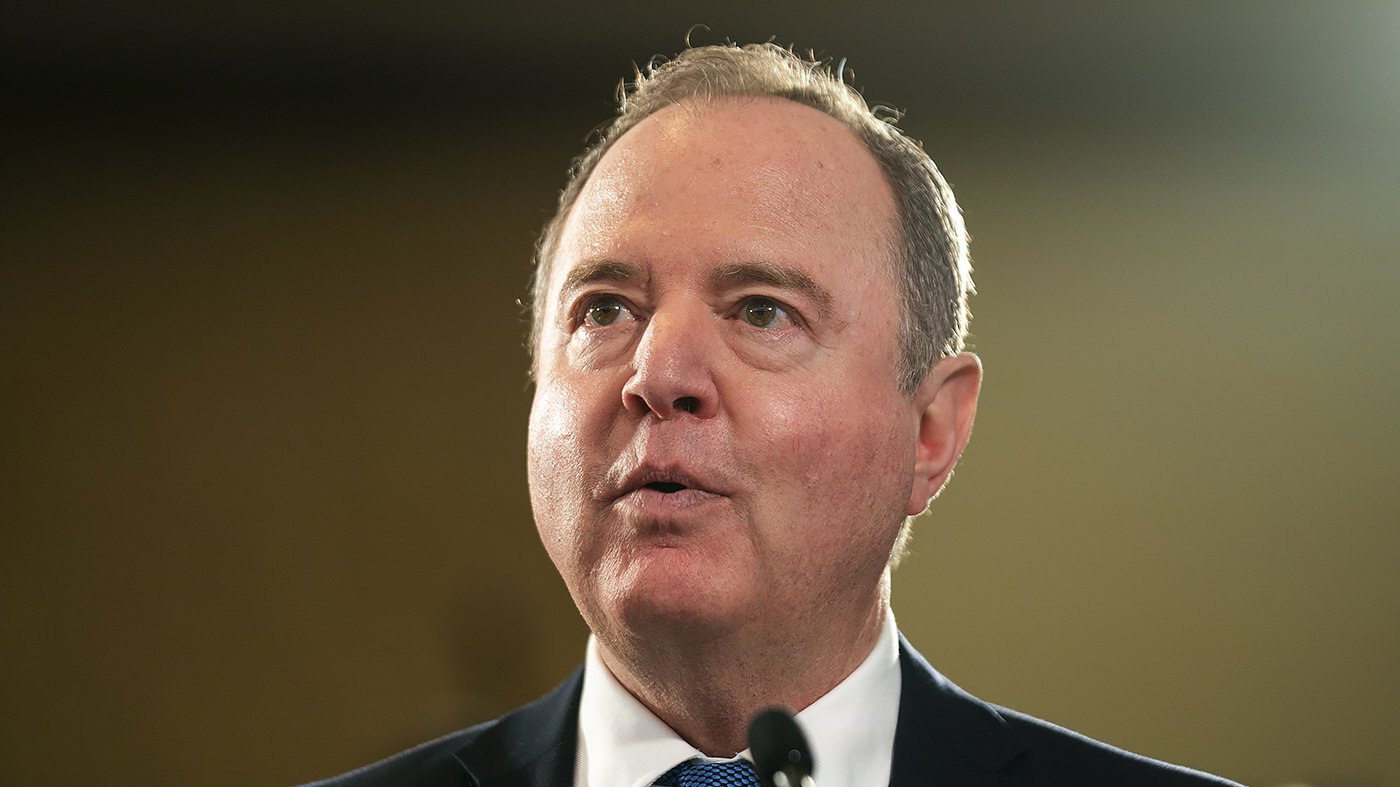
Sen. Adam Schiff (D-Calif.) is preparing to force Republicans into another politically charged vote on ending U.S. military involvement with Iran, as hostilities between the two nations intensify and economic disruptions mount.
In an interview Sunday on NBC's "Meet the Press," Schiff announced he would introduce a new war powers resolution when the Senate returns this week. The move aims to compel a vote on a motion to discharge the measure from the Senate Foreign Relations Committee, bypassing typical procedural hurdles.
Schiff argued the conflict is "unconstitutional and unlawful" because President Trump never sought congressional authorization. "You're seeing the problems with embarking on a war of choice—a war the president got this country involved in, not because we were attacked or because there was an imminent threat, but because he chose to do so," Schiff said.
The Senate has already voted 11 times on various resolutions to wind down the Iran engagement. On June 23, the chamber approved a non-binding House-passed concurrent resolution directing Trump to withdraw U.S. troops from hostilities against Iran by a 50-48 margin, with four Republicans crossing party lines.
That vote infuriated Trump, who berated GOP Sens. Bill Cassidy (La.), Lisa Murkowski (Alaska), and Rand Paul (Ky.) during a tense closed-door meeting with the Senate Republican conference the following day. Senate Majority Leader John Thune (R-S.D.) then brought another war powers resolution to the floor on June 24, which Republicans defeated after Cassidy flipped his vote from "yes" to "no" following a one-on-one briefing with Vice President Vance, and Paul voted "present."
This latest push comes after the United States struck multiple targets inside Iran over the weekend, and Iran retaliated by hitting U.S. bases in Kuwait, Bahrain, Oman, and other countries. Tehran also declared the Strait of Hormuz—a vital chokepoint for global oil and fertilizer shipments—closed on Saturday, sending oil prices higher and rattling financial markets.
Schiff highlighted the economic strain, saying, "Sadly, Iran has realized it has a kind of nuclear weapon already—the ability with minimal force to close the Strait of Hormuz and choke off a big part of the world's oil supply." He added that Americans already struggling with a sluggish economy are now facing higher gas and grocery prices as a result of what he called "this war of choice."
The resolution is expected to test Republican resolve again, potentially drawing more support given the recent escalation and its economic consequences. The White House has defended the operations as necessary to deter Iranian aggression, but critics argue the president overstepped his constitutional authority by launching strikes without congressional approval.
For context, the ongoing conflict has also raised broader security questions, including concerns about presidential travel safety amid heightened threats. Trump has claimed he is Iran's top target, and logistical decisions like switching to an older Air Force One have drawn scrutiny. Meanwhile, the Justice Department has subpoenaed journalists over leaks about security gaps, underscoring the high stakes of the current standoff.
As Schiff prepares to force the vote, the outcome remains uncertain. Democrats hope to peel off enough Republican votes to send a clear message, while GOP leaders are expected to work to keep their conference united against what they view as an encroachment on executive authority.