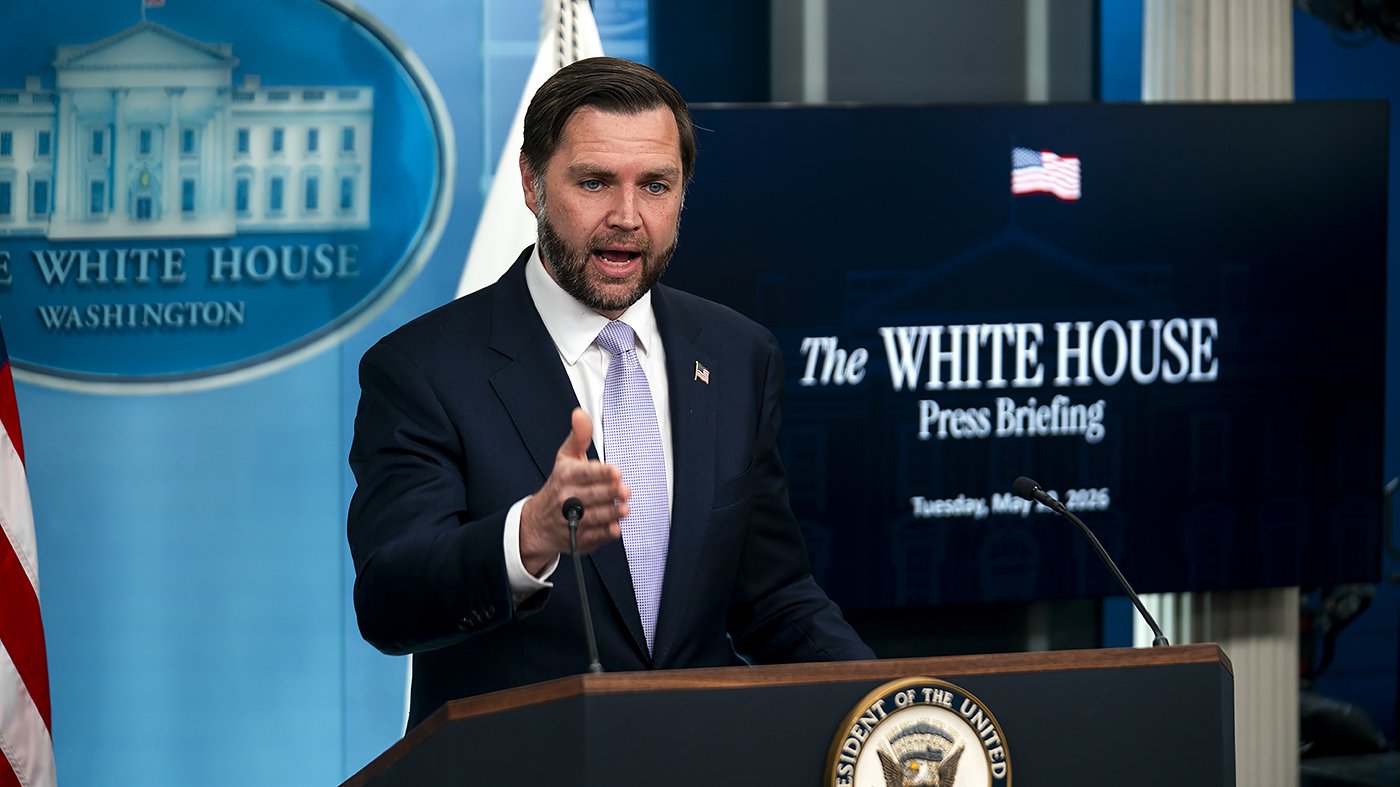
Vice President JD Vance is set to sit down with House Republicans on Tuesday in a bid to break a legislative logjam that has stalled President Trump's top priorities, as lawmakers return to Washington following a tense July Fourth recess.
The meeting comes after a standoff on Capitol Hill, where a faction of conservative hardliners has refused to back procedural votes needed to bring legislation to the floor. The rebels are demanding that Republican leadership first move on the Safeguard American Voter Eligibility Act—a strict voter ID measure—and a separate border security bill before any other business proceeds.
Representative Anna Paulina Luna, a Florida Republican leading the charge, has insisted that the SAVE Act be attached to the annual National Defense Authorization Act. That strategy, however, faces steep odds in the Senate, where Republicans would need 60 votes to overcome a filibuster—a threshold they are unlikely to meet.
Luna has publicly urged Senate Majority Leader John Thune to eliminate the filibuster entirely, but Thune has repeatedly stated that there are not enough votes in the GOP conference to do so. The friction between Trump and Thune over the SAVE Act has added another layer of tension to the already fraught negotiations.
Trump himself has pressed Thune to scrap the filibuster, but the president has also voiced frustration with the conservative holdouts. During a recent Rose Garden dinner at the White House, Trump expressed irritation over the hardliners' tactics, according to sources familiar with the exchange.
The internal GOP rift threatens to derail the president's legislative agenda, which includes tax cuts, energy deregulation, and a crackdown on illegal immigration. With only a narrow majority in the House, Republican leaders cannot afford defections—but they also risk alienating the conservative base if they cave to the rebels' demands.
The standoff has also drawn attention to the broader question of how Trump's second-term ambitions will fare in a Congress where even some Republicans are wary of his more confrontational moves. The Supreme Court's recent rejection of Trump's birthright citizenship order has only emboldened critics who argue his approach is legally shaky.
For now, all eyes are on Tuesday's meeting. Vance, a former senator from Ohio, is seen as a bridge between the Trump White House and the more traditionalist wing of the party. His task is to convince the holdouts that reopening the floor is the only path to advancing their shared goals—before the legislative calendar runs out.