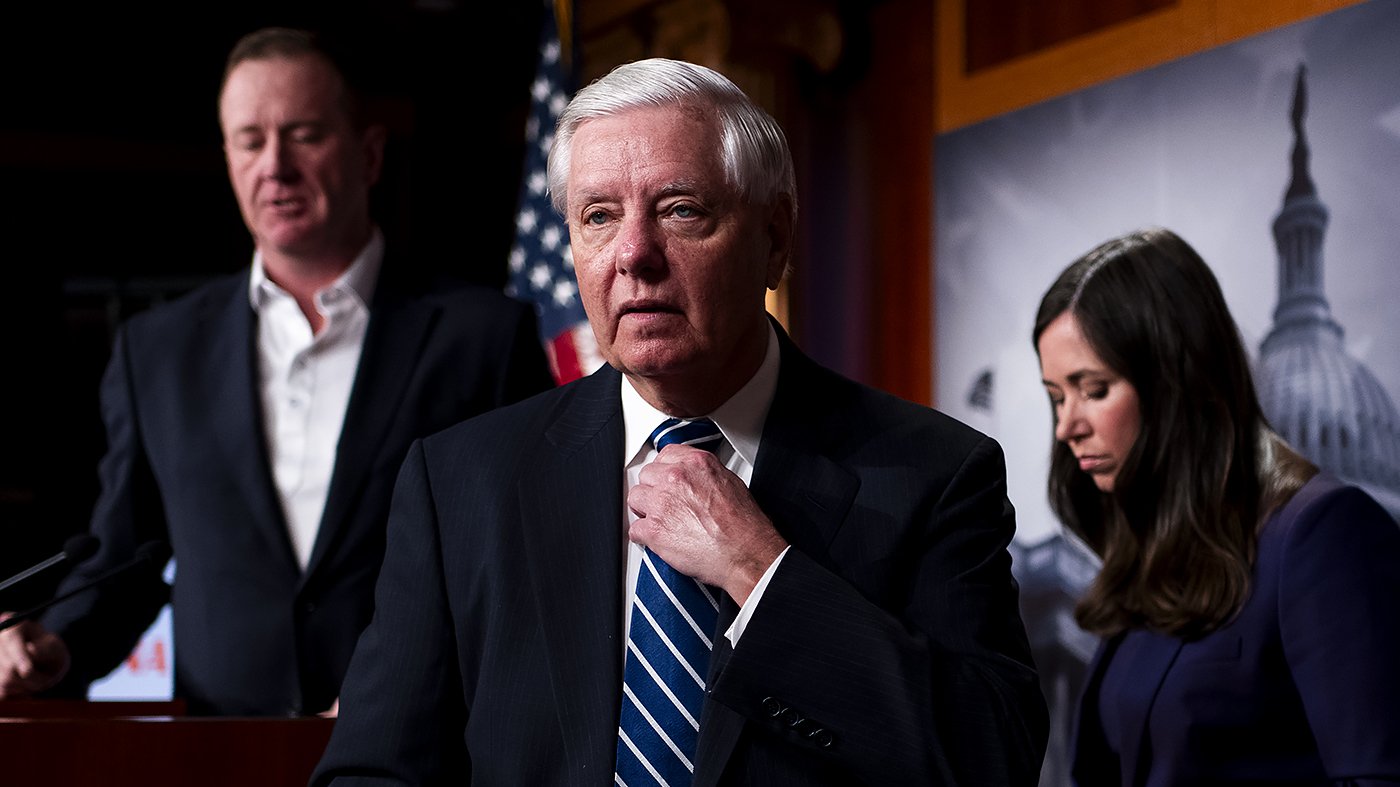
The Senate returns to a transformed political landscape Monday after the sudden death of Sen. Lindsey Graham (R-S.C.) early Sunday. Preliminary reports indicate an aortic dissection killed the 71-year-old, a fixture in Washington foreign policy and a close Trump ally. By Sunday afternoon, South Carolina and national Republicans were already maneuvering to fill his seat, both temporarily and in the fall election.
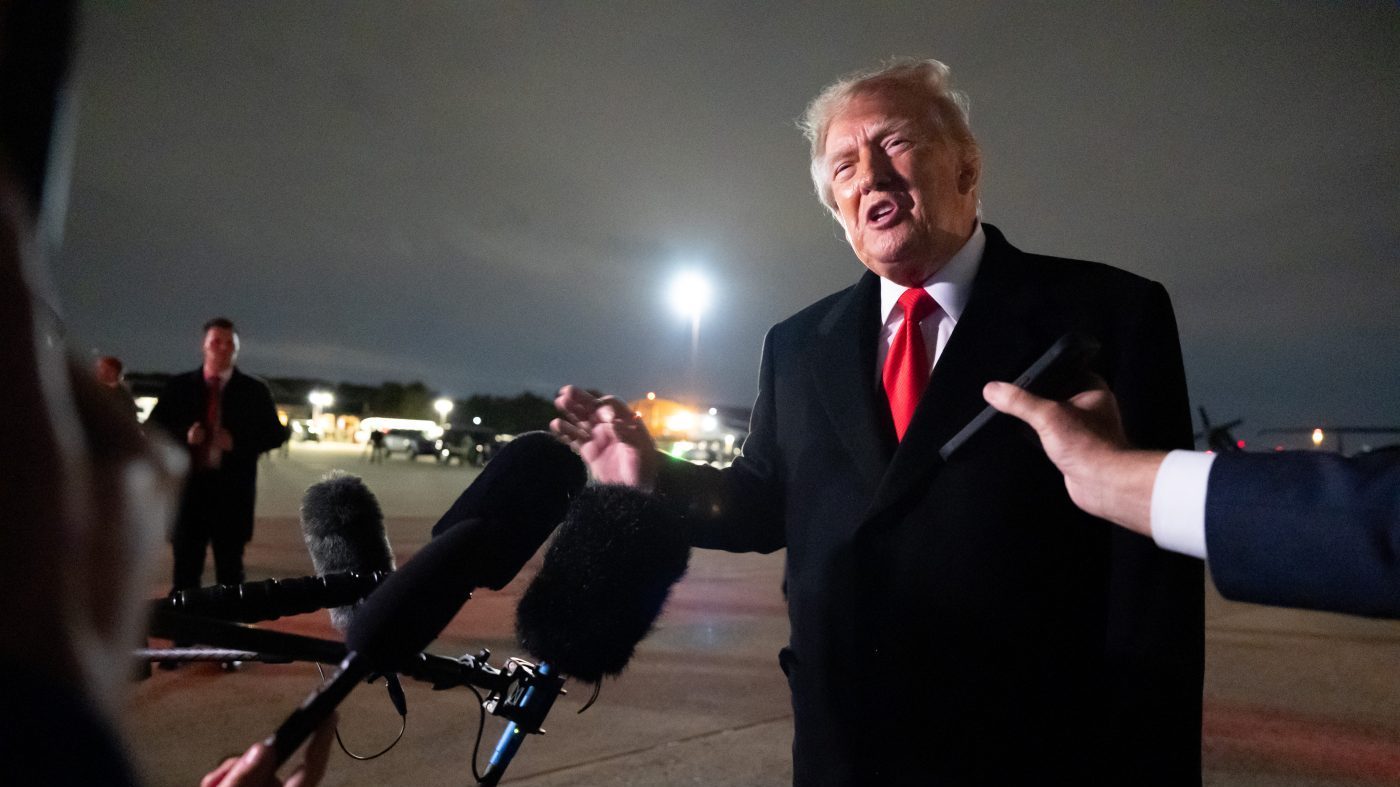
Among the early names floated to replace Graham are Rep. Nancy Mace and Lt. Gov. Pamela Evette, both of whom are already running for governor. The jockeying for his seat has begun in earnest, with potential candidates jostling for Trump’s endorsement. The president ordered flags lowered to half-staff through Saturday evening.

Graham’s death, combined with Sen. Mitch McConnell’s extended hospitalization, heaps additional pressure on Senate Majority Leader John Thune. Thune returns to Washington facing a packed agenda: the SAVE America Act, a potential third reconciliation bill, and a tight timeline. Republican senators were already at odds with Trump on several fronts, and the loss of Graham — a key negotiator and bridge to the administration — only complicates matters. Tensions between Trump and Thune have been simmering, and Graham’s absence may deepen the rift.
Graham’s sudden death also casts a shadow over legislation he championed. A bipartisan Russia sanctions bill, which Graham pushed in his final days, is now being urged as a memorial by Sen. Jeanne Shaheen (D-N.H.). The bill was close to the finish line before his death, but its fate is now uncertain. Meanwhile, the SAVE America Act — a top Trump priority — loses a key advocate, potentially weakening its prospects.
Beyond Capitol Hill, the international crisis continues to escalate. Iran and the United States exchanged fresh strikes Sunday, further eroding the peace deal signed just last month. U.S. Ambassador to NATO Matthew Whitaker called Iran “controlled by a bunch of crazy people” as tensions over the Strait of Hormuz intensified. CENTCOM has launched precision strikes in response to Iranian provocations, raising fears of a broader conflict.
The FBI has joined the investigation into Graham’s death, according to reports, though no foul play is suspected. Sen. Tim Scott (R-S.C.) eulogized Graham as “loud and obnoxious” but a true statesman, reflecting the complex legacy of a lawmaker who could infuriate allies and opponents alike. Scott’s tribute underscored the void Graham leaves in the Senate’s foreign policy and national security debates.
As the Senate reconvenes, the twin shocks of Graham’s death and the Iran crisis will dominate the week. Thune must navigate a fractious caucus, a grieving chamber, and a White House demanding swift action — all while the clock ticks on major legislation. The scramble to replace Graham is just beginning, but its outcome could reshape the balance of power in the Senate for years to come.