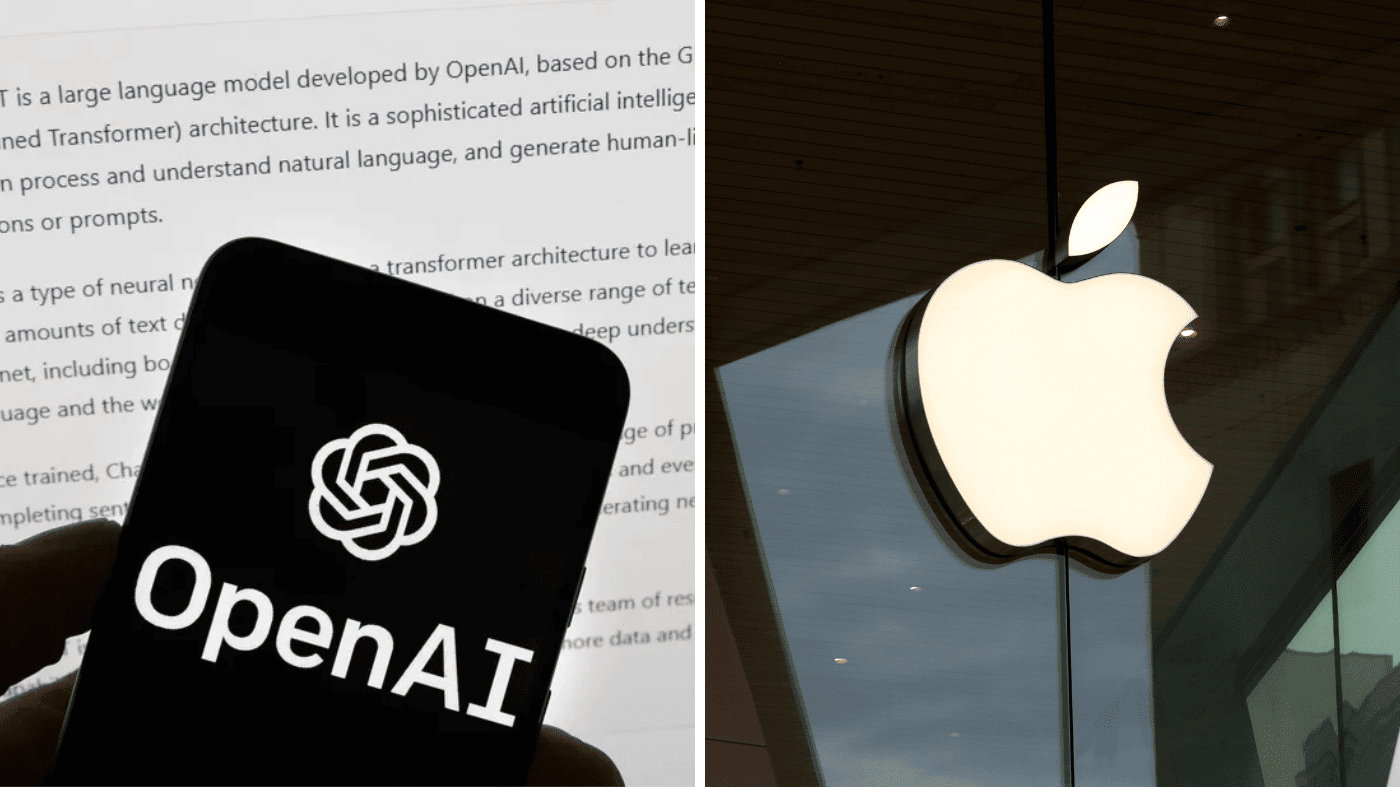
Apple has taken legal action against OpenAI, alleging the artificial intelligence firm orchestrated a scheme to steal trade secrets by targeting Apple employees during the hiring process. The lawsuit, filed Friday in a California federal court, claims OpenAI and two former Apple employees—now at OpenAI—misappropriated confidential information about Apple's tools, processes, and unreleased products.
The two employees named in the suit are Tang Yew Tan, a 24-year Apple veteran and former vice president of product design for the iPhone and Apple Watch, who now serves as OpenAI's chief hardware officer, and Chang Liu, a senior system electrical engineer who spent eight years at Apple before joining OpenAI. According to the filing, OpenAI instructed Apple employees to bring proprietary materials—such as design prototypes, internal tools, and vendor communications—to interviews, effectively pressuring them to disclose trade secrets.

“Apple does not bring this action lightly. Apple operates in the most competitive markets in the world and focuses on creating and shipping the very best products and services that embody its innovations,” Apple’s legal team stated in the complaint. “But it cannot tolerate the theft of its trade secrets. In light of the troubling evidence it has seen so far, Apple is left with no choice.”
The lawsuit argues that OpenAI’s hardware business “now rests on the shakiest of foundations, rotten to its core by its illegal reliance on misappropriated trade secrets.” The case highlights growing friction between the two tech giants, which first partnered in 2024 to integrate ChatGPT into Apple devices. Reports in May suggested the partnership had soured, with OpenAI considering legal action over unmet expectations from the deal.
According to Apple, Liu failed to confirm the return of his company-issued devices upon leaving in January and instead kept his work laptop, which he accessed after starting at OpenAI. In a message to a former Apple colleague, Liu reportedly “celebrated” the breach. Over the following weeks, he allegedly downloaded dozens of confidential hardware files while developing products for OpenAI and coached a former colleague on how to avoid scrutiny when leaving Apple.
Apple’s investigation also uncovered that other former employees had emailed themselves confidential information to personal accounts before moving to OpenAI, and some used the trade secrets in hardware development. Tan, meanwhile, is accused of meeting with OpenAI or its collaborators before leaving Apple, discussing supplier meetings, and emailing himself details about Apple’s suppliers. At OpenAI, Tan allegedly sought insider knowledge from Apple job candidates, asking about unannounced products and directing them to bring “actual parts” for “show and tell” sessions.
The filing notes that Apple raised concerns with OpenAI in February, early in its investigation, but the company did not respond. The Hill has reached out to OpenAI for comment. This case adds to a broader legal battle over AI and intellectual property; several newspapers are also seeking sanctions against OpenAI over evidence in a copyright dispute. Meanwhile, rising demand for AI memory chips is driving up device prices, affecting Apple and Microsoft products.