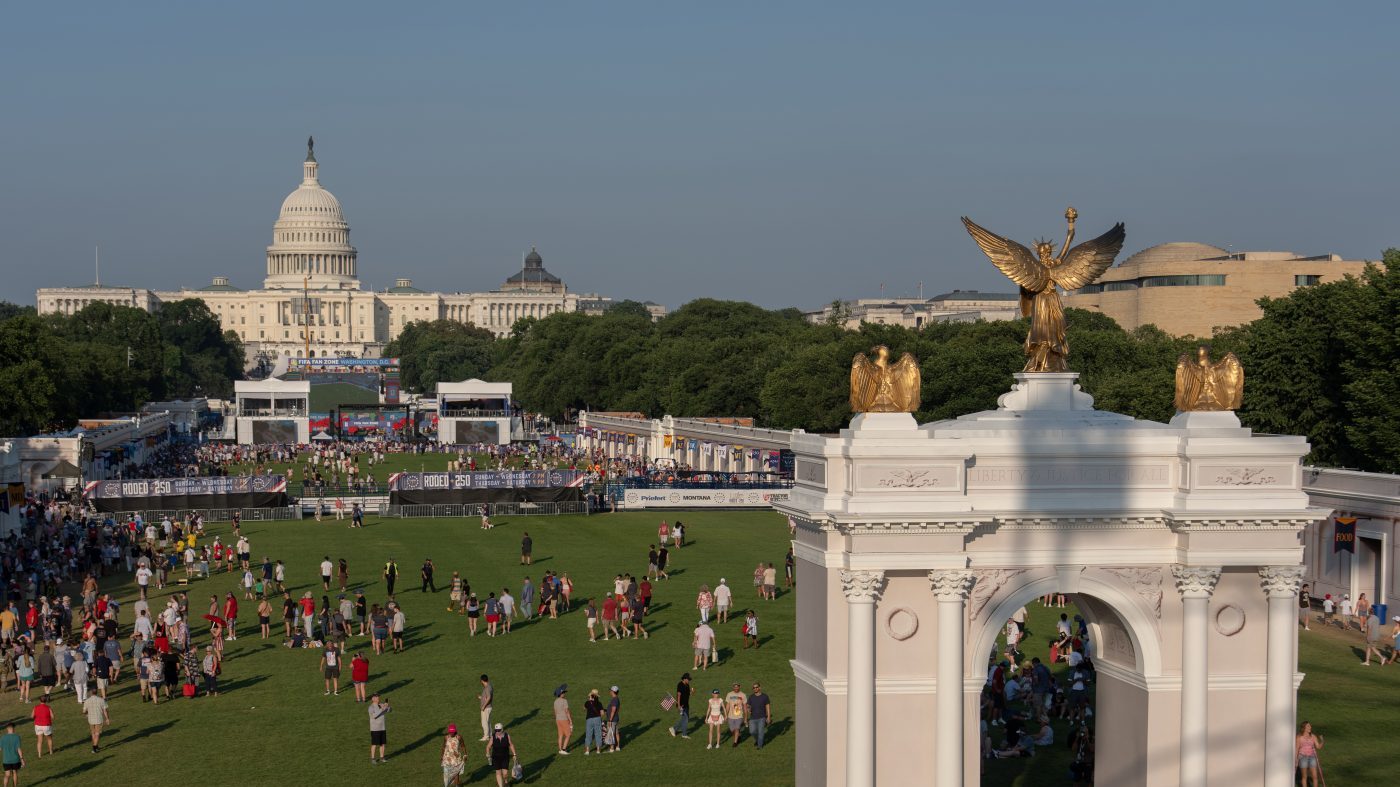
The National Capital Planning Commission voted 8-1 on Thursday to approve preliminary site and building plans for President Trump's proposed 250-foot triumphal arch in Virginia, located across the Potomac River from Washington, D.C. The decision allows the project to move forward, even as historic and architectural preservationists push back against the design and its potential impact on the capital's skyline.
The arch, which would be built near Arlington National Cemetery, is more than twice the height of the Lincoln Memorial and roughly half the height of the Washington Monument. The commission, which includes three Trump appointees, deferred a critical question: whether the structure can bypass a century-old federal law that limits building heights in Washington to 130 feet.
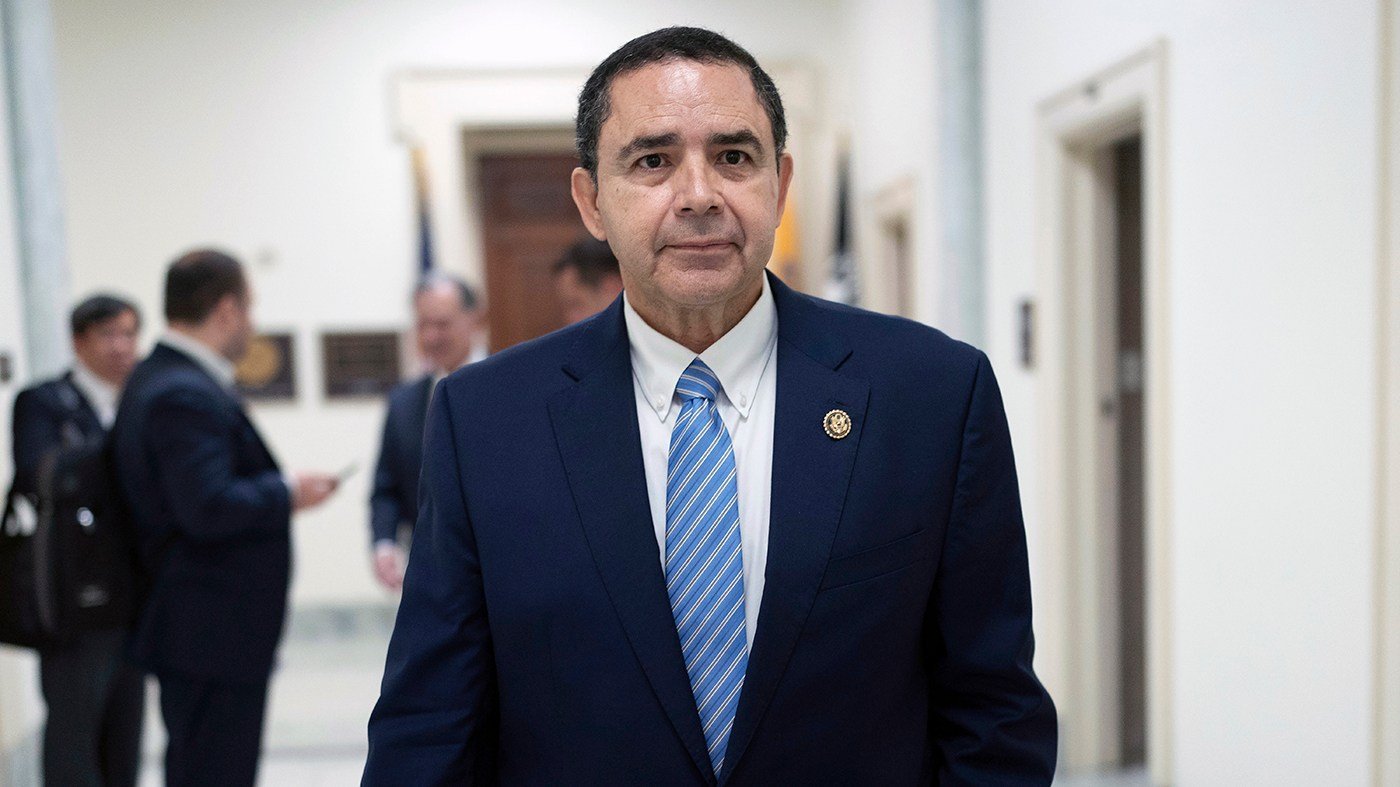
Evan Cash, the D.C. Council's representative on the panel, cast the sole dissenting vote. He voiced concerns about undermining long-standing height restrictions. "I'm not willing to lend my vote to plans that can have the effect of upending decades of NCPC practice and century-old height framework," Cash said.
The arch has drawn thousands of public comments, the majority opposing the project. Critics cite its towering height, which could block sightlines, and its potential cost to taxpayers. One commenter called it "an ugly, garish design" that would "permanently scar the federal landscape of both Arlington and Washington."
Chairman Will Scharf, who also serves as White House staff secretary, announced that a final vote is scheduled for the commission's September meeting. The project already received final design approval in May from the U.S. Commission of Fine Arts, a panel composed entirely of Trump appointees.
The arch is part of a broader effort by Trump to imprint his mark on the nation's capital during his second term. Other initiatives include plans for a new ballroom at the White House complex and a North Portico restoration. Meanwhile, the administration has pursued naming campaigns, such as renaming a Florida airport after the president.
Opponents argue the arch is a vanity project that wastes public funds and disregards established urban planning principles. Supporters, however, frame it as a patriotic monument honoring American achievements. The debate highlights the broader tensions over Trump's use of executive power to reshape federal landmarks.
As the September vote approaches, the question of whether the arch can legally exceed the D.C. height limit remains unresolved. That decision could set a precedent for future development along the National Mall and beyond.