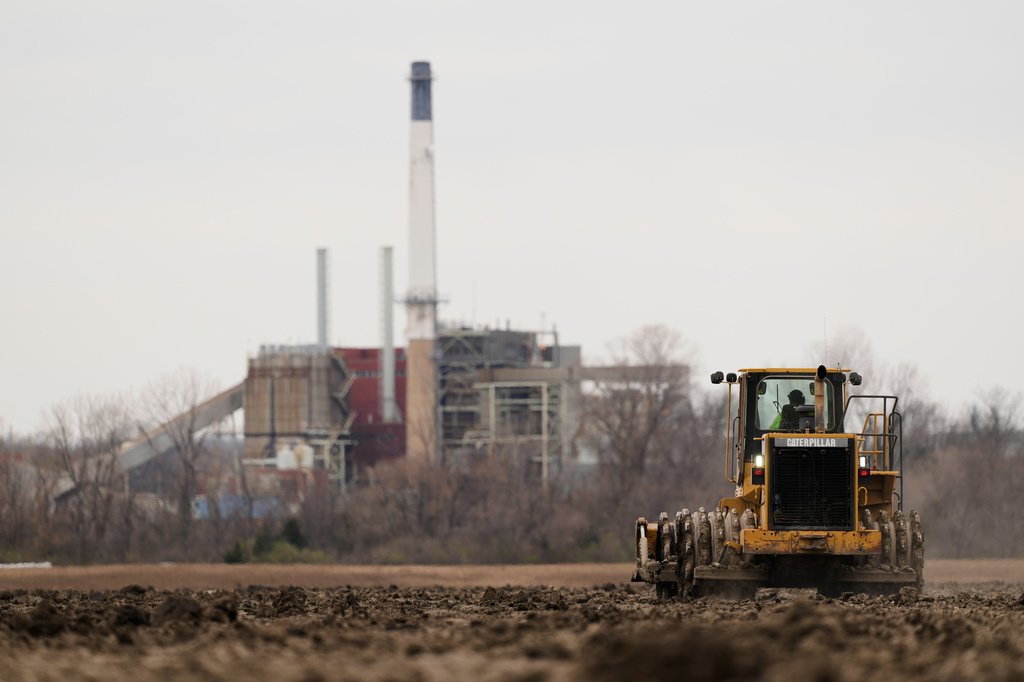
Big Tech companies are pouring billions into constructing AI data centers across the United States, creating a paradox for blue-collar workers. Electricians and tradespeople are earning unprecedented wages—sometimes five figures monthly—to build the very infrastructure that may eventually replace their jobs. Meta and Google have even launched trade academies to train workers for these megaprojects.
While some celebrate the economic boost, a growing unease is spreading. Workers are starting to see themselves as cogs in a machine designed to eliminate them. The labor is temporary, but the AI systems inside these centers are built to be permanent, automating tasks from manufacturing to programming. This isn't a simple factory upgrade; it's a fundamental shift where the goal is to replace human labor entirely.
Beyond the labor trap, these data centers are environmental nightmares. They require billions of gallons of water to cool servers, often in drought-stricken states, and strain public power grids. A single campus can consume more electricity than a mid-sized city, forcing utilities to revive old coal plants, abandon climate goals, and hike rates for residents. Power outages are becoming routine, with predictions of a hundredfold increase in blackouts by decade's end. A recent poll shows Americans' anxiety over AI surpasses enthusiasm by nearly 3-to-1, reflecting these fears.
The tech utopians, led by figures like investor Kevin O'Leary, dismiss these concerns. O'Leary is promoting a 10,000-acre data center project in Utah—an area equivalent to thousands of football fields—that would consume vast amounts of land and water. When pressed on why taxpayers should subsidize private infrastructure, the response is a geopolitical scare: "If we don't build them, China will." O'Leary has even implied that local opponents are acting as Chinese agents, despite polls showing 70% of Americans oppose these projects.
This framing presents a false choice: either hand over water, power, and tax dollars to domestic tech monopolies, or face domination by Beijing. But as 95% of Americans say the nation is in an affordability crisis, the real cost is being borne by ordinary citizens. Whether the surveillance is run from Silicon Valley or Guangdong matters little when rivers dry up and utility bills double.
The message from Big Tech is clear: accept the pain or be left behind. But funding these monstrosities is the real scam. Americans are being asked to build the very tools that will replace them, drain natural resources, and finance their own obsolescence—all to boost stock prices. The AI revolution may not end in disaster for tech lords, but for everyone else, it's a raw deal.