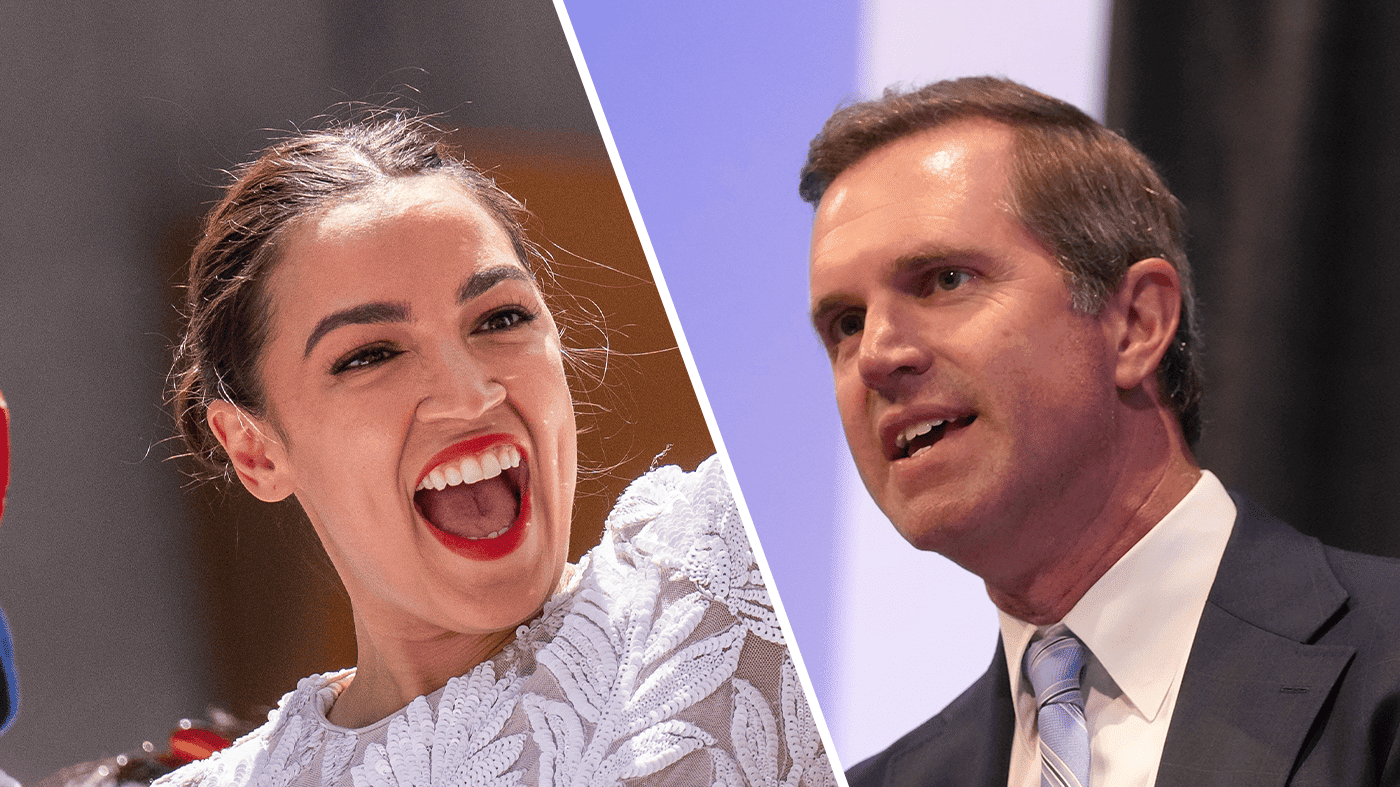
With the 2026 midterms now less than four months away, both parties are scrambling to position themselves for the 2028 presidential race. The outcome of the midterms will not only shape governance over the next two years but also set the stage for the next White House contest. As the clock ticks, strategists are gaming out potential matchups, and one scenario is causing particular anxiety among Republicans: a Democratic ticket pairing Kentucky Governor Andy Beshear with New York Representative Alexandria Ocasio-Cortez.
On the Republican side, the path appears clearer. Vice President JD Vance is widely expected to secure the GOP nomination if he chooses to run. His primary decision would then be selecting a running mate. Options include proven vote-getters like Robert F. Kennedy Jr., female governors such as New Hampshire's Kelly Ayotte or Arkansas's Sarah Huckabee Sanders, or Hispanic lawmakers like Monica De La Cruz of Texas or Anna Paulina Luna of Florida. While some have speculated that former Senator and current Secretary of State Marco Rubio could challenge Vance or join the ticket, sources suggest Rubio is likely to exit politics for the private sector, preferring to avoid the 2028 fray.
Democrats face a more complex calculus. The party's history of insider-driven nominations, as seen with Kamala Harris in 2024, has often alienated swing voters. However, there is growing Republican concern that Democrats could craft a winning coalition by merging centrist populism with the socialist energy that appeals to younger voters. The Beshear-AOC ticket is the most frequently cited example by GOP insiders. Beshear, a moderate who has tested attacks on Vance, could position himself as a pragmatic, non-woke alternative to the Biden-Harris era, while Ocasio-Cortez would anchor the progressive wing.
Republicans fear Beshear's ability to connect with working-class voters by emphasizing practical solutions over ideological purity. His recent rhetorical jabs at Vance suggest he is already preparing for a head-to-head contest. Meanwhile, Ocasio-Cortez, though not yet ready for a solo presidential run, is seen as an ideal vice-presidential pick who could mobilize young voters, women, minorities, and the working class. As one GOP strategist noted, the party would be unwise to underestimate her appeal.
The broader Democratic landscape remains fractured, with internal battles over leadership and direction. Recent developments, such as Senator Joe Manchin blaming a 'void of leadership' for socialist primary wins and the showdown between socialists and House leadership, highlight the party's ideological tensions. Yet, a Beshear-AOC ticket could bridge these divides, offering a hybrid that appeals to both centrists and progressives.
For the GOP, the nightmare scenario is a Democratic candidate who can mud-wrestle effectively while maintaining a fresh, centrist image. Beshear's track record in Kentucky, a red state, demonstrates his appeal across party lines. If he pairs with Ocasio-Cortez, the ticket could tap into multiple constituencies, potentially replicating Bill Clinton's 1992 coalition. However, the woke left's continued influence on Democratic messaging may ultimately prevent such a strategic pivot, offering Republicans a measure of relief.
As the 2026 midterms approach, both parties are watching closely. The results will test whether Democrats can overcome internal divisions and whether Republicans can maintain their momentum. For now, the specter of a Beshear-AOC ticket is a potent reminder that in politics, the most feared opponent is often the one who defies easy categorization.