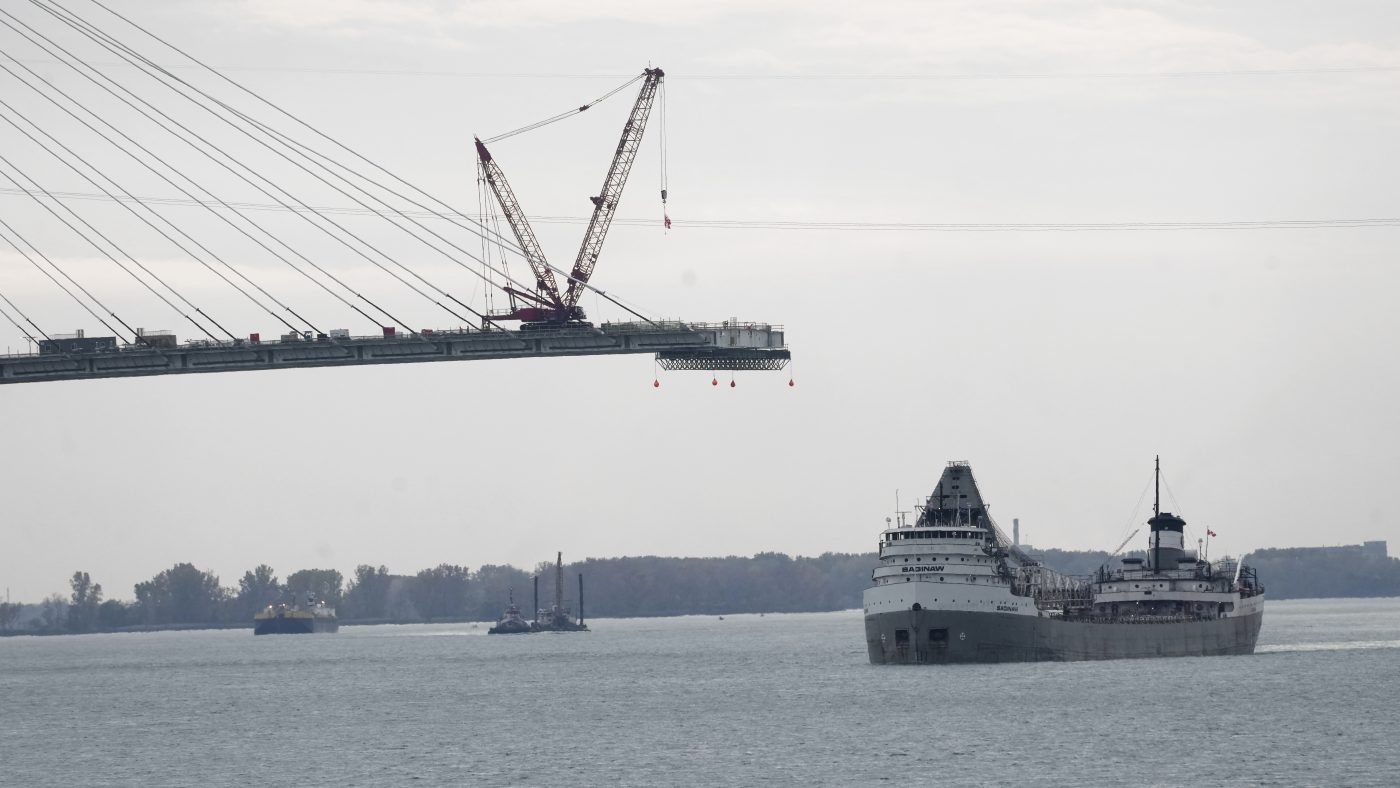
The long-delayed Gordie Howe International Bridge connecting Detroit to Windsor, Ontario, is set to open on July 27 after President Donald Trump announced he secured what he called a "much better deal" for the United States. The $4.7 billion span, originally slated to open June 27, faced a standoff as Trump demanded compensation and a stake in ownership.
Trump's Intervention
Earlier this year, Trump threatened to block the bridge's opening on Truth Social, writing: "I will not allow this bridge to open until the United States is fully compensated for everything we have given them, and also, importantly, Canada treats the United States with the Fairness and Respect that we deserve."
After negotiations led by Commerce Secretary Howard Lutnick and Canada's U.S. trade minister Dominic LeBlanc, the president claimed victory. "I was able to cut a MUCH BETTER DEAL for America, and by so doing, will be allowing the new and spectacular Gordie Howe International Bridge... to open on July 27th, as scheduled," Trump wrote Saturday.
Key Terms of the Agreement
Under the deal, the U.S. will receive half of the toll revenue and approval authority over any toll changes exceeding 10 percent of current rates, according to Reuters. Canada also agreed to a 15-year economic development fund tied to a portion of bridge profits, aimed at benefiting border communities on both sides.
The Canadian government framed the agreement as a collaborative effort, stating: "Canada and the United States have agreed to a series of cooperative measures focused on toll governance and transparency, as well as investments in the region."
Political and Economic Context
The bridge, named after hockey legend Gordie Howe, is expected to become a major commercial corridor. Construction began in 2018 and was fully funded by Canada, a point that Trump had used to argue the U.S. deserved more control. The dispute echoed broader tensions in U.S.-Canada relations, including Trump's recent threats of massive retaliation over an Iran assassination plot and his administration's push for stricter voter ID laws, exemplified by a housing bill that became law without his signature amid a standoff.
Critics have raised concerns that Trump's aggressive stance on the bridge was part of a pattern of unilateral demands. Meanwhile, supporters argue he secured tangible benefits for American taxpayers. The deal's long-term impact on cross-border trade and infrastructure cooperation remains to be seen.
Looking Ahead
With the opening now set for late July, the Gordie Howe Bridge is poised to relieve congestion on the aging Ambassador Bridge, which handles about 25% of U.S.-Canada trade. The new span's six lanes and pedestrian path are expected to boost economic activity in Michigan and Ontario alike. However, questions linger about how the revenue-sharing arrangement will function in practice and whether it sets a precedent for future joint infrastructure projects.