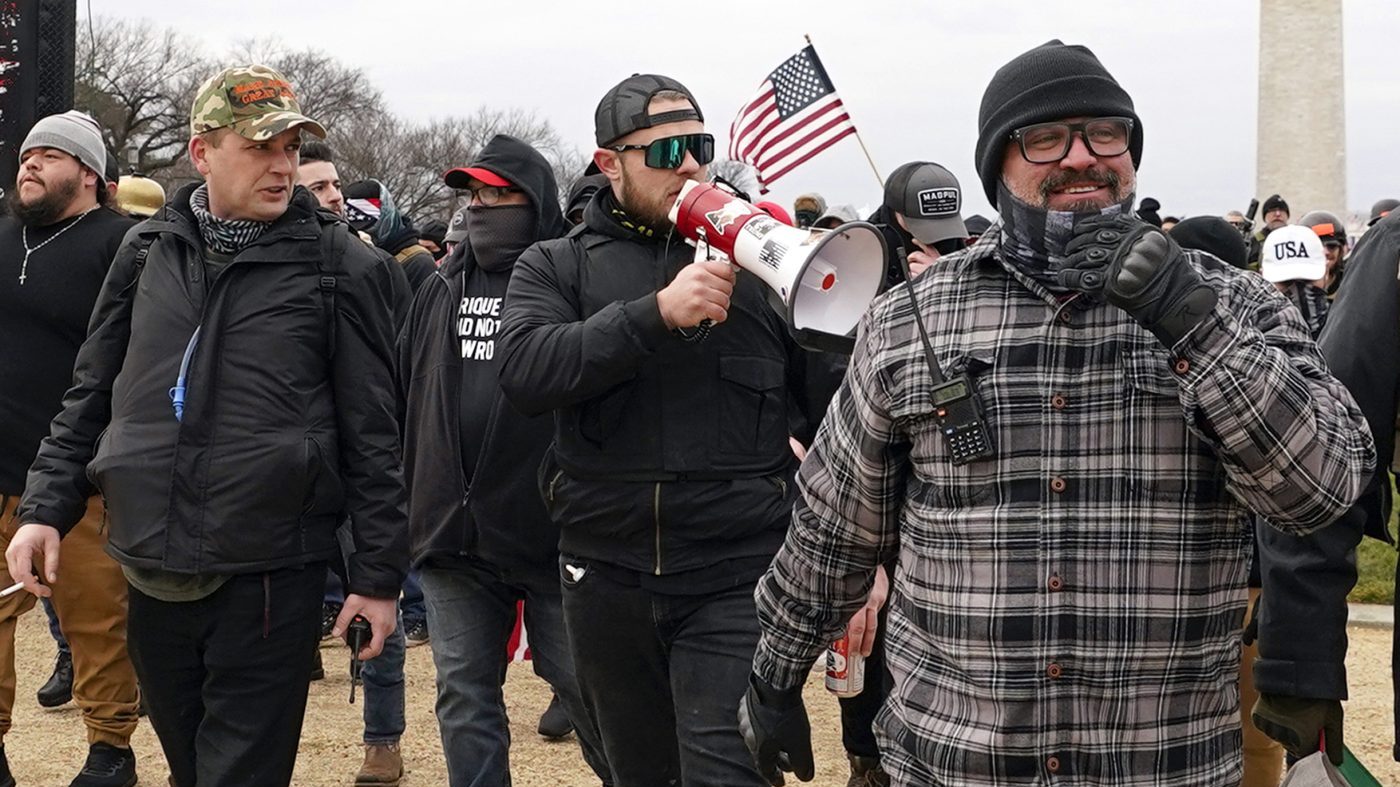
A federal judge on Friday granted the Justice Department's request to drop the final convictions against four leaders of the far-right Proud Boys for their involvement in the January 6, 2021, assault on the U.S. Capitol. District Judge Timothy Kelly, a Trump appointee, dismissed the cases with prejudice, barring any future retrial.
The ruling covers Ethan Nordean, Joseph Biggs, Zachary Rehl, and Dominic Pezzola, who had been convicted on charges including seditious conspiracy. Kelly's decision came after the DOJ moved to abandon the prosecutions, citing President Trump's sweeping clemency for Capitol rioters. In a seven-page opinion, Kelly wrote that while he disagreed with the move, the president holds the authority to decide such matters. "Indeed, it is hard to see how any course other than granting the motion in full could make practical sense," he stated, noting that denying it would not revive vacated convictions or compel a retrial.
Trump's January 2025 pardon covered nearly all January 6 defendants, including violent offenders, fulfilling a campaign pledge to roll back prosecutions tied to the effort to stop certification of President Biden's 2020 election win. The four Proud Boys were among 14 individuals whose sentences were reduced to time served. Pezzola, acquitted of seditious conspiracy but convicted of smashing a Capitol window that let hundreds of rioters inside, also saw his case dropped.
Enrique Tarrio, the former Proud Boys chairman who received a 22-year sentence—the longest for any January 6 defendant—was also pardoned. Tarrio celebrated on social media Friday, writing, "We took the worst they threw at us... and we stood tall. Trump dropped the pardons and now the rest is crumbling. Justice is SERVED!" Rehl echoed the sentiment, posting, "Finally, it's ALL OVER! January 6th can now be a thing of the past for me!"
Kelly acknowledged the political backdrop, writing that "little mystery" surrounds the DOJ's decision. "President Trump's views about the prosecution of those who attacked the U.S. Capitol on January 6—whether those views are based on fact or fiction—are well known, as is his intention to extend clemency to them through the Executive Order," he noted. The dismissals arrive amid broader legal shifts, including recent rulings on executive authority. For instance, the Supreme Court recently blocked state juries from rewriting federal pesticide labels, a separate check on federal power.
The Proud Boys cases had been a cornerstone of the government's January 6 prosecutions, with three of the leaders convicted of seditious conspiracy—a rarely used Civil War-era charge. The dismissals mark the final chapter for these defendants, though other January 6 legal battles continue. In a related development, a judge rejected a Trump pardon claim and set a February trial for a D.C. pipe bomb suspect, highlighting the uneven application of clemency.
The decision also follows Trump's broader push to reshape the federal judiciary and election infrastructure, including his ouster of remaining Democratic election commissioners—a move critics say tests constitutional limits. For the Proud Boys, the legal closure represents a victory, but the political fallout over January 6 remains a flashpoint as the 2026 midterms approach.