U.S. District Judge Amir Ali on Wednesday set a Feb. 16 trial date for Brian Cole Jr., the Virginia man charged with planting pipe bombs outside the Democratic and Republican national party headquarters the night before the Jan. 6, 2021, Capitol riot. The trial is expected to last about two weeks, according to court proceedings.
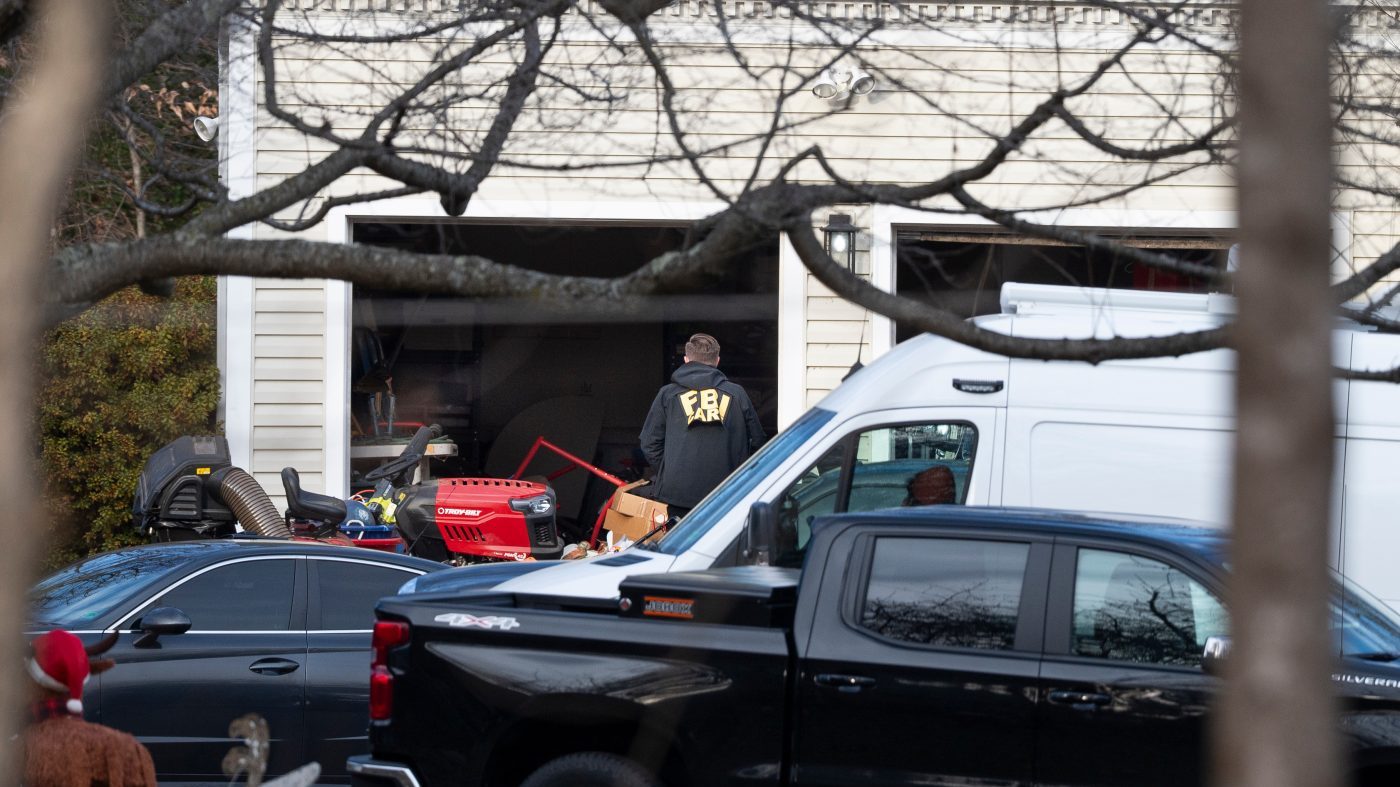
Cole, 45, was arrested at his home in December 2024, capping a nearly five-year investigation. He faces four felony counts: interstate transportation of explosives, malicious attempt to use explosives, attempted use of weapons of mass destruction, and an act of terrorism while armed. A conviction on the terrorism and weapons of mass destruction charges carries a potential life sentence.
Authorities discovered the two pipe bombs near the DNC and RNC offices in southeast Washington on the afternoon of Jan. 6, 2021. The devices did not detonate and were safely removed by the Capitol Police bomb squad. Surveillance footage captured a suspect—later identified as Cole—walking in the neighborhood with a backpack between 7:30 and 8:20 p.m. on Jan. 5, allegedly placing the bombs within a 20-minute span.
Cole has pleaded not guilty. His legal team, led by attorneys Mario Williams and John Shoreman, moved to dismiss the charges, arguing that President Donald Trump’s sweeping pardons of Jan. 6 defendants covered Cole’s alleged conduct. In a March filing, they wrote: “By the government’s own telling, this is exactly the kind of case that President Trump’s January 20, 2025 Presidential Pardon was invoked to reach.”
Judge Ali rejected that argument Monday, ruling that the pardon was “expressly limited” to individuals already convicted of crimes tied to the Capitol attack. In a three-page order, Ali, a Biden appointee, noted: “Cole had not been convicted of the conduct at issue when the President issued the pardon; indeed, he was not charged until many months after the President’s proclamation.”
This decision aligns with a broader legal trend: courts have narrowly interpreted Trump’s Jan. 6 pardons, limiting them to those already sentenced. For context, a separate ruling last month similarly found that the pardons do not shield suspects who were not convicted by the time of the proclamation.
During Wednesday’s hearing, one of Cole’s lawyers told the judge that defense and prosecution have not discussed a potential plea deal, according to the Associated Press. The case now moves toward a trial that will test the limits of presidential clemency and the government’s ability to prosecute pre-riot acts of political violence.
The bombs’ proximity to both party headquarters underscores the tense atmosphere surrounding the Jan. 6 attack, which saw a mob breach the Capitol. Cole’s alleged actions—placing explosives near the centers of American political power—represent one of the most serious pre-attack security threats that day. The trial is set to begin just weeks before the four-year anniversary of the riot, ensuring it will remain a focal point in ongoing debates about accountability and the rule of law.