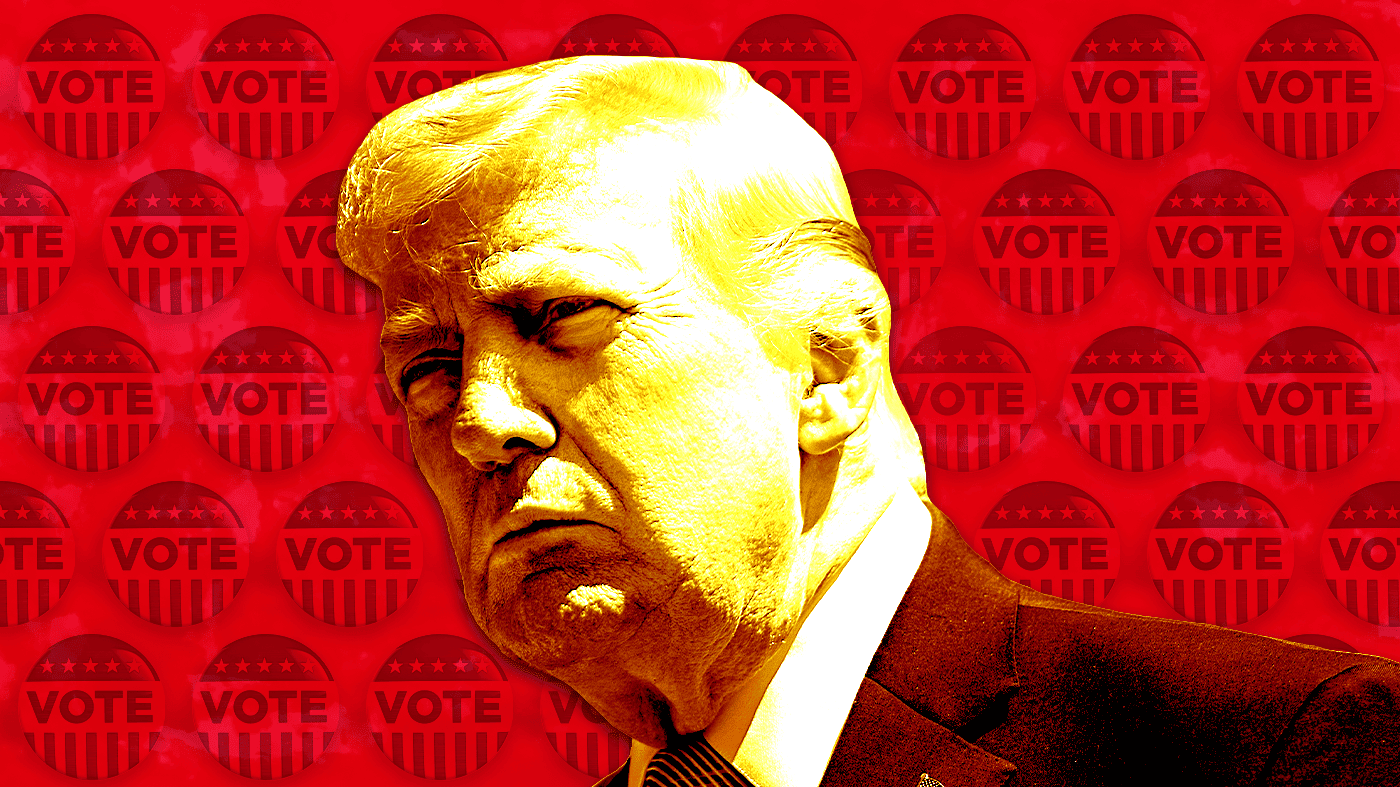
House Republicans in battleground districts are leaning into a high-risk strategy: embracing President Trump as the party's standard-bearer, even as his approval ratings remain underwater. The move marks a sharp departure from the typical playbook for vulnerable incumbents, who often distance themselves from an unpopular president to avoid alienating swing voters.
Trump's approval sits at just 40 percent in the Real Clear Politics polling average, yet national GOP strategists argue that harnessing his enthusiasm among the base is essential to countering the historical trend of midterm losses for the president's party. With only a handful of seats to spare, Republicans see turnout as the key to holding their slim majority.
“We want to have the largest electorate possible,” said Rep. Ryan Mackenzie (R-Pa.), a freshman who flipped a Democratic seat in 2024. “We showed in 2024 that when everybody comes out to vote in a presidential election, we were successful in Pennsylvania. I flipped a seat. Dave McCormick flipped a Senate seat. President Trump won. We want large voter turnout, and so in an election like this, we know from past elections that President Trump does drive Republican turnout.”
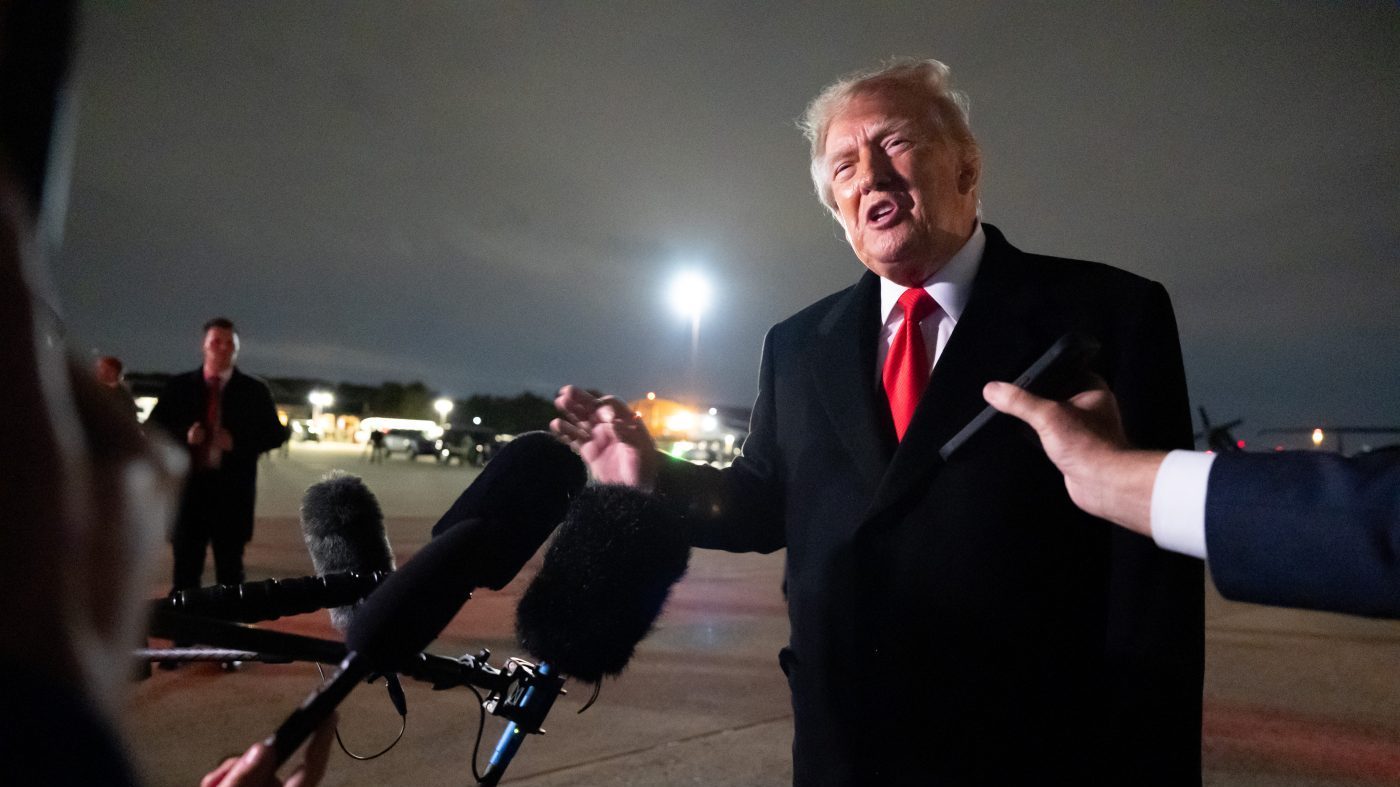
At a June rally in Mackenzie's district, Trump pointedly highlighted the freshman congressman, telling the crowd he was there for Mackenzie, not the other safe-seat Republicans in attendance. “I'm not here for them. I'm here for him,” Trump said, before inviting Mackenzie to the stage for brief remarks.
Trump kicked off the 2026 midterm cycle with a January rally in Iowa, where Reps. Zach Nunn and Mariannette Miller-Meeks—both representing toss-up districts—shared the stage. Nunn's campaign later released a video splicing his rally comments with footage of him and Trump greeting Iowans. In Arizona, Rep. Juan Ciscomani praised Trump for having a “strong hand on the wheel putting America first” at a Turning Point USA event where the president also spoke.
The embrace extends beyond sitting members. The National Republican Congressional Committee rebranded its candidate recruitment program from “Young Guns” to “MAGA Majority,” signaling a full alignment with Trump's brand. “President Trump is the single biggest driver of Republican enthusiasm and turnout, and his agenda is delivering results that voters can see in their own communities,” said NRCC spokesperson Mike Marinella. “Our candidates are eager to campaign alongside him in every corner and every competitive district across the country because there's no stronger contrast heading into the midterms than President Trump and Republicans' record of results versus the Democrats' radical socialist agenda.”
This strategy carries significant risk. Historically, lower-propensity voters who turn out for Trump in presidential elections often stay home during midterms. The conventional wisdom is that tying purple-district Republicans to an unpopular president could energize Democratic opposition more than it boosts GOP turnout. “On issue after issue, Americans see congressional Republicans choose fealty to Trump over the interests of working families—like price hiking tariffs, Trump's war of choice, ripping away people's health care, and doling out tax breaks for the ultrawealthy,” said Viet Shelton, a spokesperson for the Democratic Congressional Campaign Committee. “Every time these same vulnerable Republicans cheerily campaign with Trump as he says he 'loves the inflation' and rants about ballrooms—it's a signal to every voter that Republicans don't work for you, they only work for Trump.”
Trump has long argued that embracing him is the winning formula. After the 2018 “blue wave” that cost Republicans the House, he pointed to swing-seat winners like Rep. Andy Barr (R-Ky.) who campaigned with him, while criticizing those who kept their distance, such as former Rep. Barbara Comstock (R-Va.), who lost her seat. “On the other hand, you had some who decided to, 'Let's stay away, let's stay away.' They did very poorly,” Trump said the day after the 2018 midterms.
GOP operatives note that the 2026 map is far more favorable than 2018. An NRCC battleground memo from June argues that Democrats must win seats where Trump averaged 53.2 percent of the vote in 2024—a much tougher lift than the 46.6 percent average in districts they flipped in 2018. The strategy is also a reflection of Trump's iron grip on the party, underscored by a series of primary challenges this year. As the midterms approach, the question remains whether this bet on Trump's base will pay off or backfire in the districts that decide control of the House.