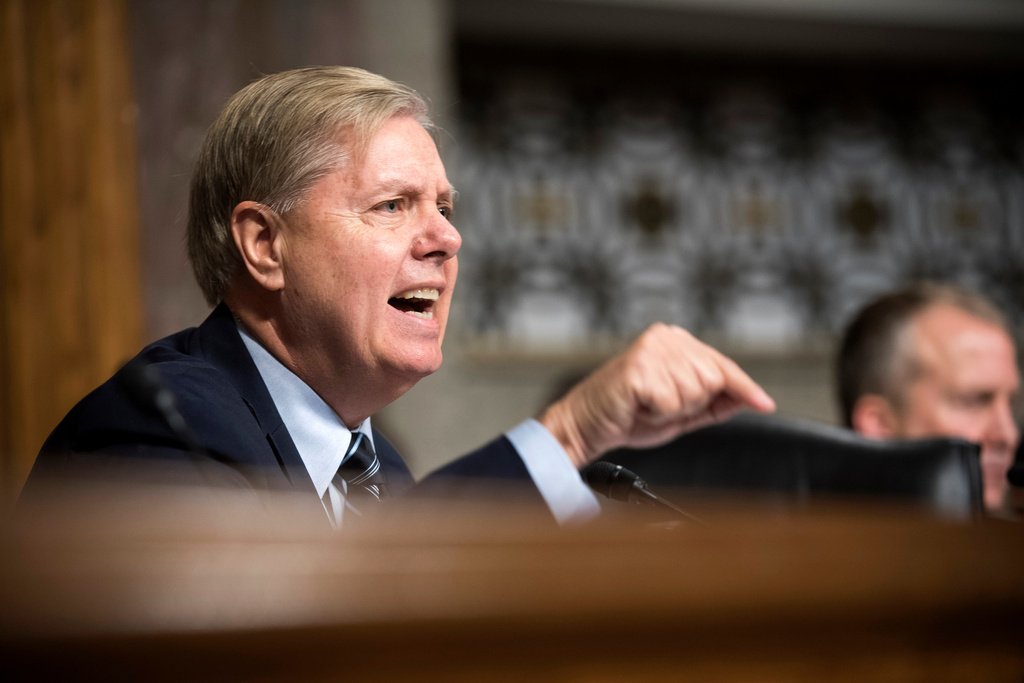
The sudden death of Sen. Lindsey Graham (R-S.C.) has created a void in the Senate that transcends any single policy area. For years, Graham served as Washington's most effective translator of hawkish interventionism, a role that allowed him to bridge the gap between traditional Republican foreign policy and President Trump's populist "America First" approach.
While allies mourn a statesman, a cold-eyed assessment of his legacy reveals that his true influence lay in his ability to frame permanent conflict as both a moral imperative and a pragmatic necessity of alliance management. Graham consistently argued that Moscow and Tehran were not separate threats but two fronts of a single anti-Western axis. As Graham's political journey from maverick to Trump loyalist showed, he regularly worked with Secretary of State Marco Rubio to nudge the president toward a shared, hawkish posture on Iran and Russia.
A Translator of Escalation
By framing disparate threats as a unified struggle, Graham relied on a binary moral framework that simplified complex geopolitical realities into a narrative of good versus evil. This approach allowed him to treat diplomatic restraint as appeasement. When Graham told Israeli leadership to "do what you have to do" regarding Iran's nuclear program—an exchange confirmed by his office to Axios in November 2024—he was signaling that if war serves a preferred regional order, then war is not a failure of policy but its logical fulfillment.
The ongoing 2026 U.S.-Iran conflict, which saw the July 8 collapse of the Islamabad Memorandum of Understanding after weeks of attacks in the Strait of Hormuz, serves as a brutal stress test of what many call the "Graham Doctrine." Trump declared the ceasefire over just days ago, and the resumption of strikes has rendered previous months of diplomatic stabilization obsolete.
Political Scramble for His Seat
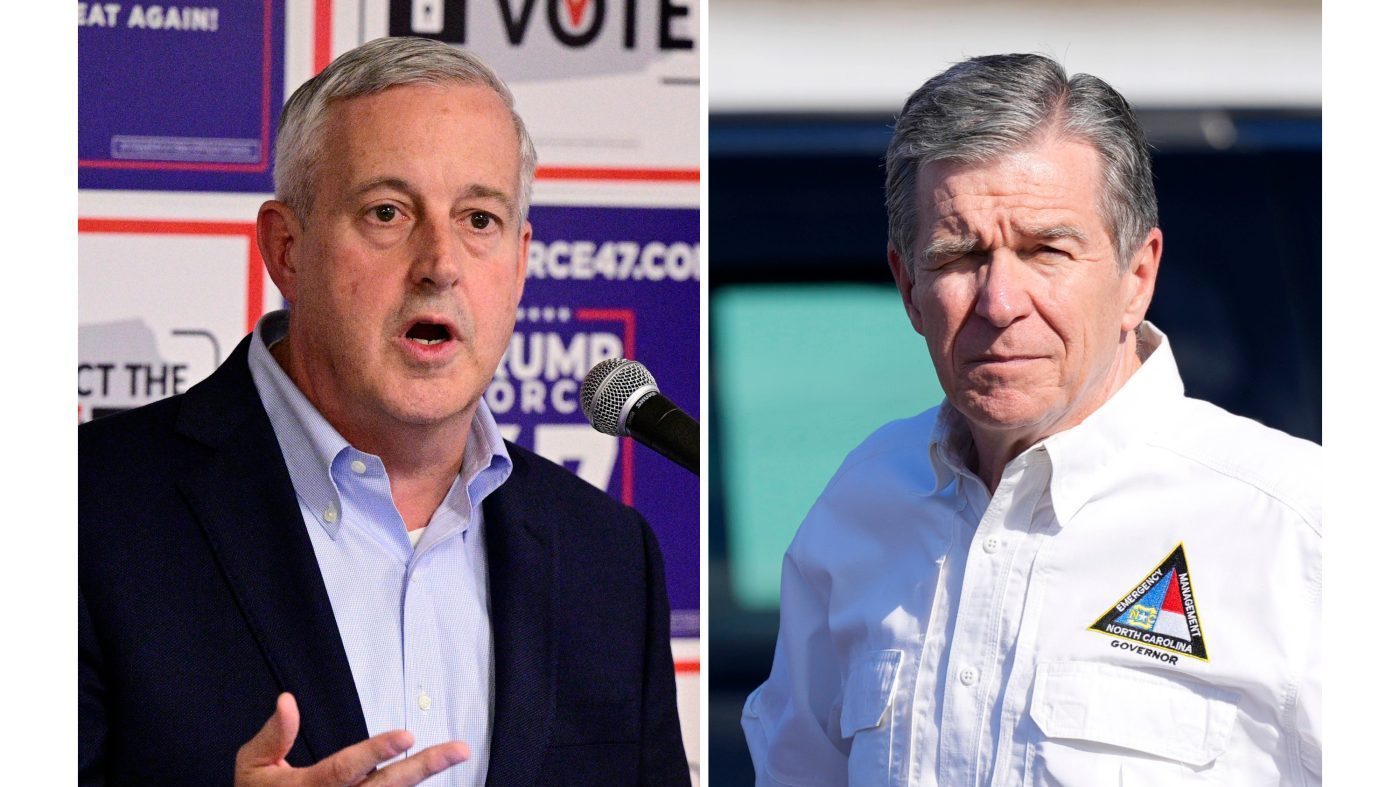
Graham's death triggers an immediate political scramble for his South Carolina Senate seat. As reports of the scramble to replace him emerge, Representatives like Nancy Mace have signaled interest, and Rep. Ralph Norman (R-S.C.) is seriously considering a bid. Yet none possess Graham's decades-long institutional memory or his specialized translator status. The succession will likely result in fragmentation, with the hawkish banner picked up by younger, more performative figures who lack Graham's ability to command the ear of the foreign policy establishment while anchoring the president's instincts.
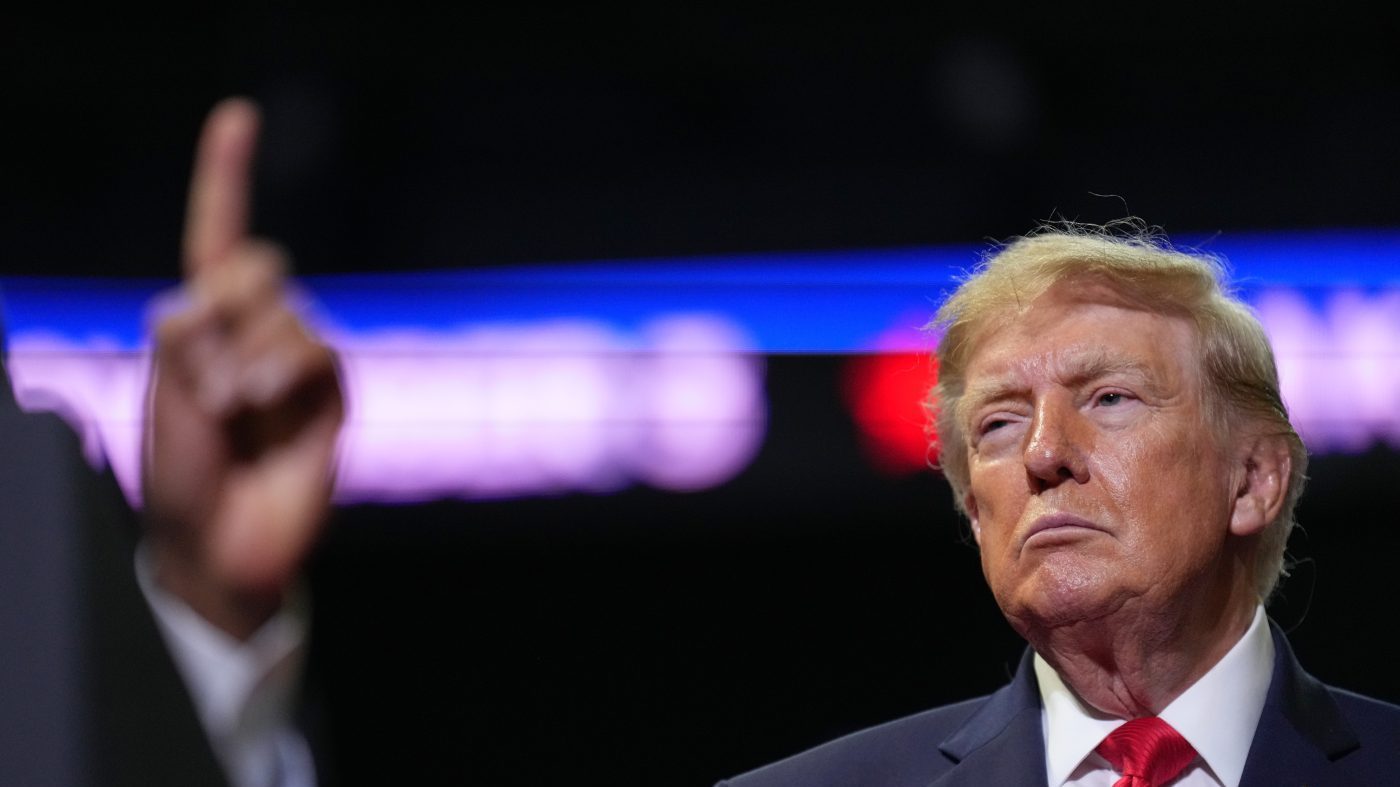
The Trump administration, managing the chaotic realities of the 2026 conflict, now faces a significant messaging crisis. Trump has consistently preferred hard-nosed savvy and quick, performative victories over the slow work of traditional diplomacy. Graham provided the essential service of dressing these transactional instincts in the familiar, bipartisan language of American values and global security.
Exposed Rhetoric
Without Graham, the administration's rhetoric is increasingly stripped of its tempering, institutional justification. When the president speaks of "Operation Epic Fury" or the necessity of tariffs, the rhetoric is now exposed as a blunt instrument of power devoid of a coherent doctrinal shield. The administration will likely attempt to delegate this messaging to other figures, but they cannot replicate Graham's credibility with the old guard.
It would be a mistake to assume that the Trump alliance with Benjamin Netanyahu will wither with Graham's passing. Their bond is not institutional; it is transactional and direct. But if the alliance itself is secure, its political sustainability in Washington is suddenly fragile. Graham provided the gloss that transformed their raw, escalatory cooperation into a narrative of American statesmanship.
The administration is now left to explain its Middle Eastern strategy not as the careful calibration of a master diplomat, but as a series of reactionary, high-stakes decisions that are increasingly difficult to defend to a war-weary public. The machinery of intervention remains, but without its most effective translator, the hawks have lost the messenger who provided their worldview with its veneer of traditional statesmanship. The question for the coming months is whether, without that translator, that machinery can continue to be sold as prudence.
As Graham's legacy as a political operator who loved the game shows, his absence leaves a gap that may prove impossible to fill. The Trump administration's foreign policy, once cloaked in the language of responsibility and alliance solidarity, now stands exposed as a series of escalatory moves with no coherent rationale.