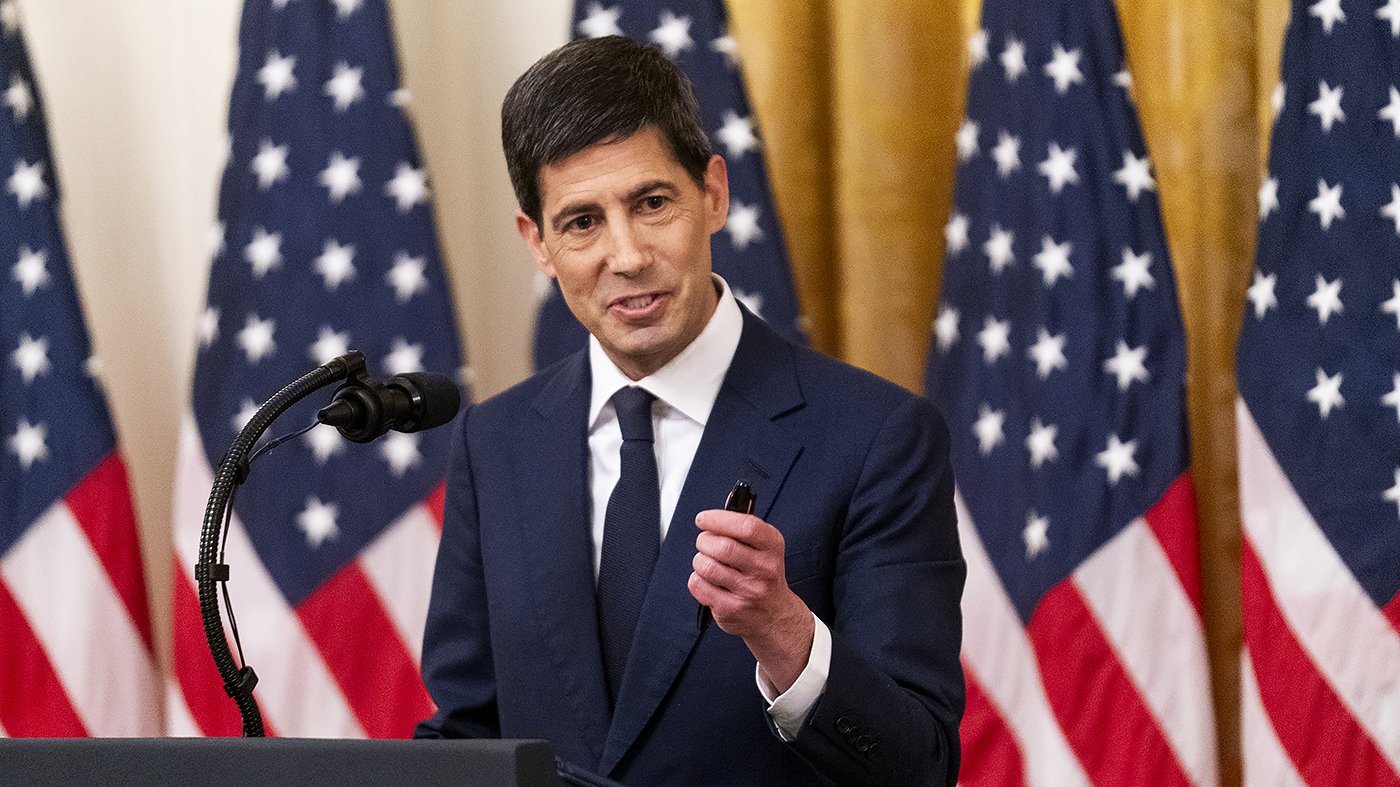
Federal Reserve Chair Kevin Warsh is set to appear before the House Financial Services Committee on Tuesday morning to deliver his assessment of the U.S. economy, a session that comes as President Donald Trump faces growing political headwinds from the ongoing military engagement with Iran.
The hearing, scheduled to begin at 10 a.m. EDT, marks Warsh's first major congressional testimony since taking over the central bank from Jerome Powell. It unfolds against a backdrop of rising consumer anxiety: Trump's approval ratings have slipped as Americans grapple with higher costs and economic uncertainty fueled by the war in the Middle East.
Warsh earlier this month attempted to tamp down inflation fears, but offered no clear signals on the Fed's next interest rate move. At his inaugural policy meeting in June, the Fed held rates steady, a decision that disappointed some market participants hoping for a cut. The next Federal Open Market Committee meeting is set for July 29.
The hearing comes as the White House doubles down on its Iran strategy. Trump recently reinstated a blockade of the Strait of Hormuz and imposed a 20% shipping levy, a move that has rattled global energy markets and added to domestic price pressures. The president has also demanded Gulf states pay for protection of the waterway, a stance that drew a sharp rebuke from Tehran.
Lawmakers on the House panel are expected to press Warsh on the Fed's independence and its response to what some economists call a "cost-of-living crisis." With the 2024 election cycle heating up, Democrats are likely to hammer the administration's economic record, while Republicans may focus on the Fed's regulatory agenda.
Warsh's testimony will be closely watched for any hints about the July rate decision. The Fed has signaled caution, balancing stubborn inflation against signs of a slowing economy. Analysts say the central bank is walking a tightrope as it tries to cool prices without triggering a recession.
The hearing also occurs as other federal agencies face scrutiny. The Health and Human Services watchdog recently reported $5.56 billion in fraud recoveries, though exclusion rates have dropped. Meanwhile, a coalition of 14 states has sued the Education Department over cuts to school mental health grants, and the Senate is considering the Upward Mobility Act to address benefit cliffs that keep low-income workers from advancing.
Warsh's appearance is expected to draw significant attention, given the Fed's role in navigating the economic fallout from the Iran conflict. The central bank has limited tools to address supply-side shocks like oil price spikes, but its interest rate decisions will shape borrowing costs for households and businesses in the months ahead.