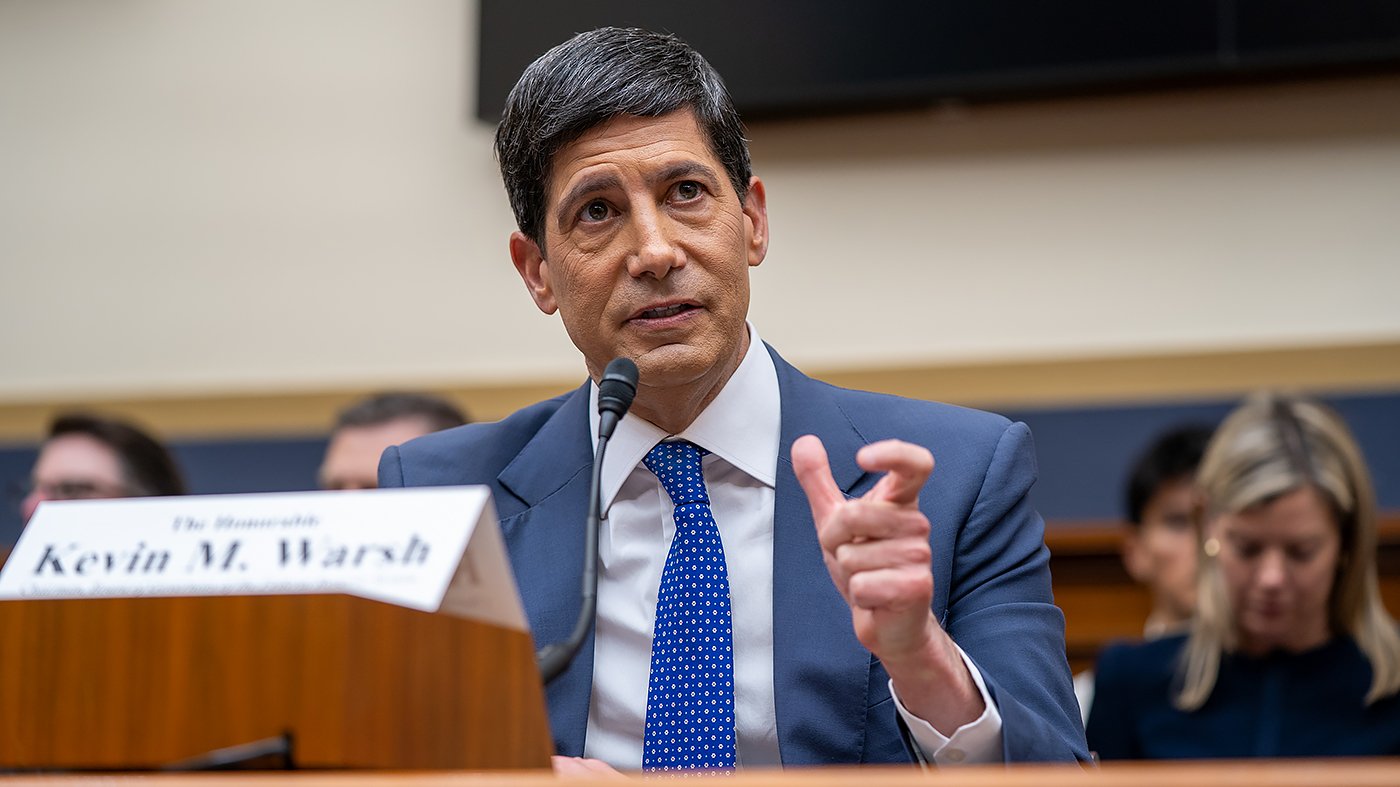
Federal Reserve Chair Kevin Warsh made his debut before Congress on Tuesday, outlining a dramatic overhaul of the central bank's approach to inflation and distancing himself from political pressure from President Trump. In testimony before the House Financial Services Committee, Warsh described his first six weeks in office as a 'sea change' in monetary policy thinking, blaming his predecessors for mistakes that allowed inflation to persist.
'In six weeks, we have caused, I think, a sea change in new thinking, the beginning of a set of reforms that are going to be put in place across at least five dimensions in monetary policy,' Warsh told Rep. Andy Barr (R-Ky.), signaling a sharp break from the Powell era.
Throughout the three-hour hearing, Warsh repeatedly emphasized the Fed's congressionally mandated independence, directly addressing concerns that Trump's frequent attacks on the central bank could influence rate decisions. 'The Fed will remain independent on my watch,' Warsh told Rep. Mike Flood (R-Neb.). 'Fed independence is essential to the proper conduct of monetary policy, and I expect and will ensure that monetary policy is independent over the four years of my term.' He added that independence 'strengthens the role of the United States and the U.S. dollar and the global economy.'
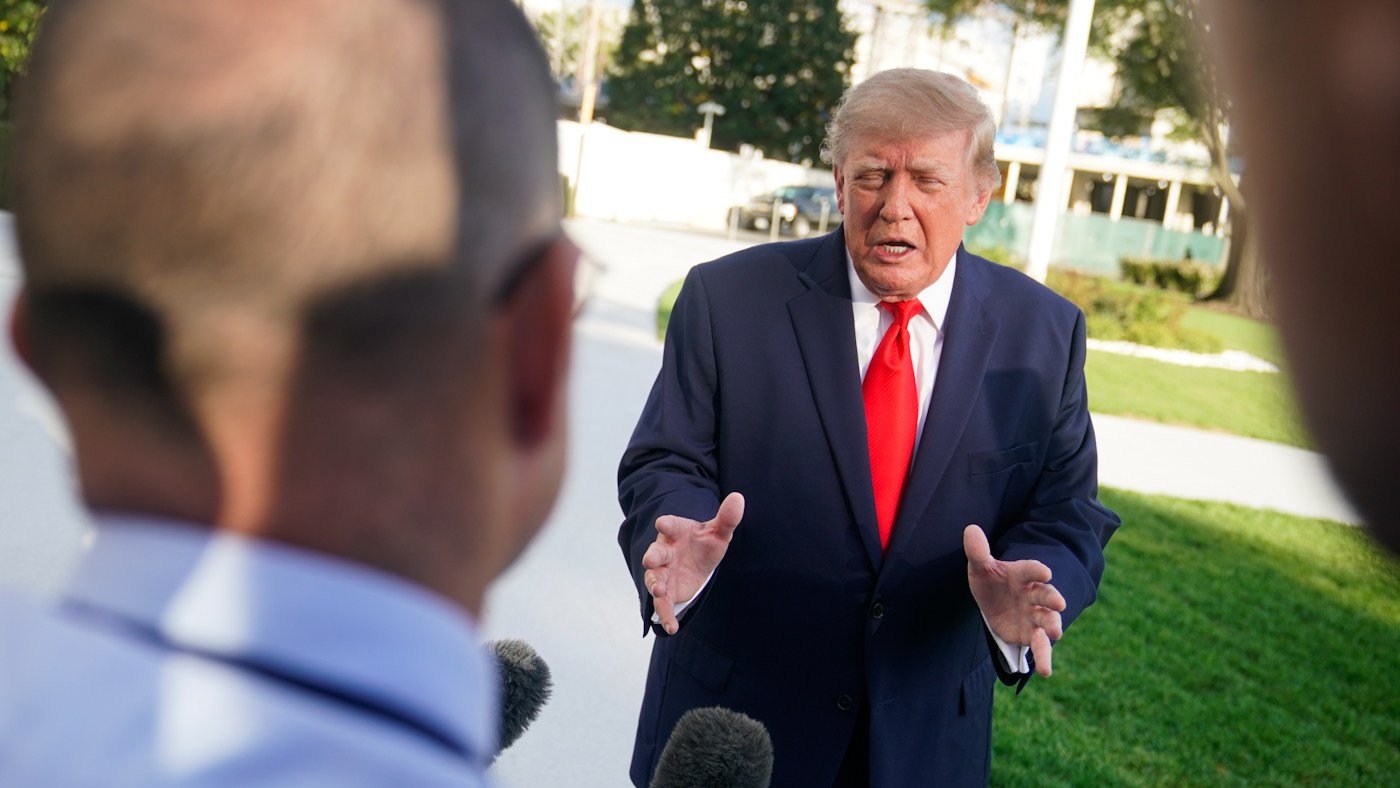
Trump, who had publicly pressured Warsh's predecessor Jerome Powell to cut rates, expressed confidence in his handpicked chair after the Fed held rates steady at Warsh's first meeting last month, but warned future rate hikes would be 'hard to believe.' Warsh deflected questions about the impact of such comments, asserting his commitment to data-driven decisions. When Rep. Gregory Meeks (D-N.Y.) pressed him on independence amid the ongoing war with Iran—which has driven up energy prices—Warsh replied, 'I'm ready to follow the law. I'm ready for the Fed to deliver on the expansive remit that you gave us.' He added, 'We're interested in what's happening in the war. We have to take that all in, but then we have to shut the door and make our very best decision.'
Warsh also made clear he would not use the Fed as a backstop for failing financial institutions. When Rep. Brad Sherman (D-Calif.) asked whether the central bank would rescue cryptocurrencies or stablecoins during a run, Warsh responded, 'We do not want to be in the bailout business wholesale.' He said the Fed would 'do everything we can to mitigate' risks in the crypto market but insisted he wants 'to be in a position where we're not bailing out anybody.' The stance marks a departure from the Fed's aggressive crisis-response actions during the 2008 financial crisis, when it slashed rates to zero and purchased over $1.7 trillion in securities.
The hearing comes at a critical juncture for inflation. While annual inflation remains above the Fed's 2% target—at 3.5% in June, according to the Labor Department's consumer price index—core inflation, excluding food and energy, has fallen to 2.6%. Warsh expressed encouragement but cautioned against declaring 'mission accomplished,' especially with the U.S. engaged in a war in the Middle East that could further disrupt energy supplies. 'Inflation is a choice. We monetary policymakers need to choose lower prices,' Warsh declared.
Warsh also criticized the framework adopted under Powell that allowed inflation to run above target to compensate for periods of slow growth. 'That central bank wasn't the first central bank to ask for a little more inflation and end up with a lot more,' he told the panel. 'It was a mistake.' The June slowdown in inflation and job growth eases pressure on the Fed to hike rates, but Warsh made clear he would not hesitate to act if needed.
The broader economic backdrop remains fraught, with the war with Iran disrupting global oil flows through the Strait of Hormuz. The U.S. and Iran exchange fire after Trump's Strait of Hormuz toll threat has kept energy prices volatile, complicating the Fed's inflation fight. Warsh acknowledged the conflict's impact but reiterated that the Fed's decisions would be made behind closed doors, independent of political winds.
Warsh's testimony also touched on the Fed's role in broader financial stability. As the central bank navigates post-pandemic economic shifts, his insistence on avoiding bailouts signals a shift in philosophy. The hearing, which covered everything from monetary policy to crypto oversight, underscored the immense challenges facing the new chair as he seeks to reshape the Fed's approach while fending off external pressures.