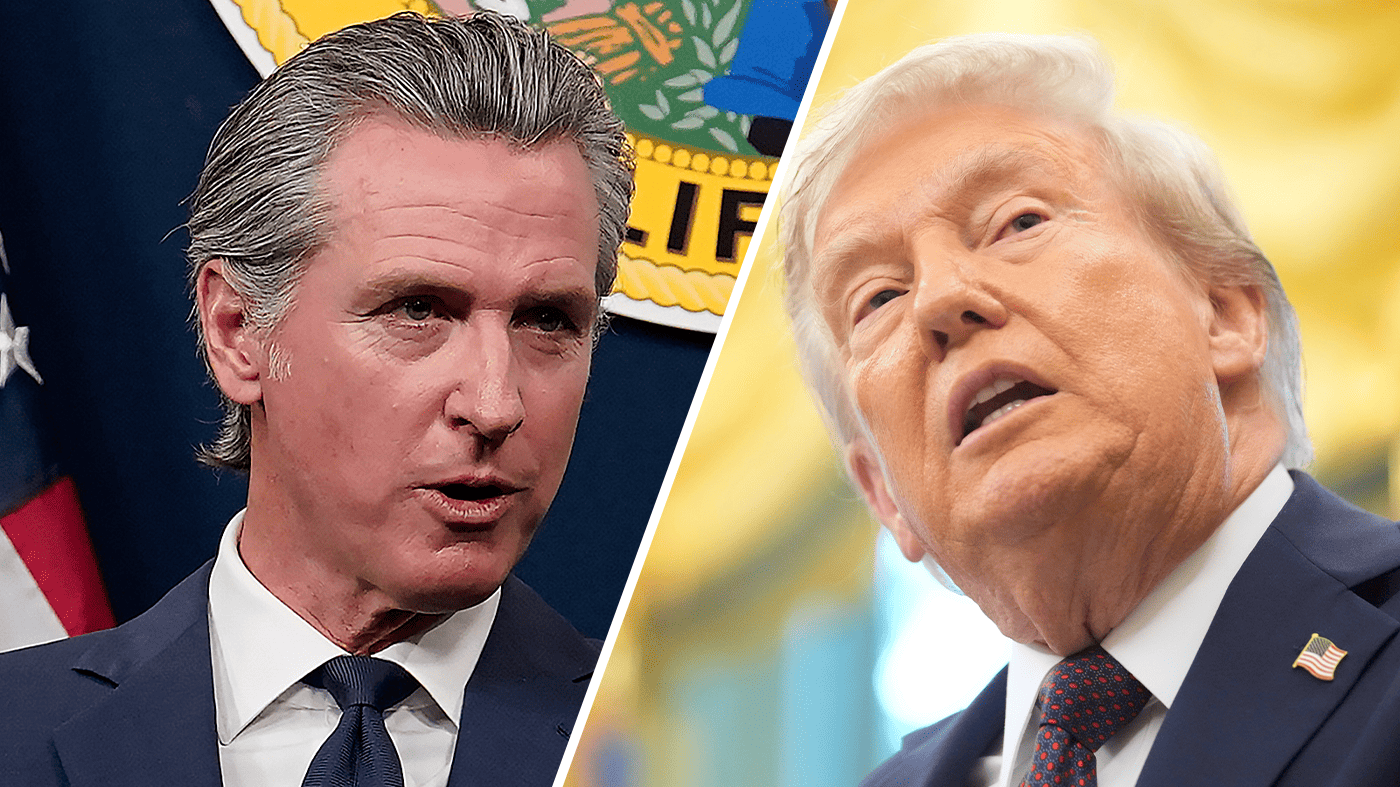
Governor Gavin Newsom (D-CA) on Monday claimed President Trump declined to sign a widely supported bipartisan housing bill because its provisions were too reminiscent of California's own housing reforms. Speaking at a press conference where he signed a state-level affordable housing measure, Newsom argued that the federal legislation's approach closely tracks what California has been doing to tackle its housing crisis.
Newsom pointed to the 21st Century ROAD to Housing Act, a bill that passed both chambers of Congress with strong bipartisan backing. The measure aims to boost housing supply, cut construction costs, and curb large investors from buying up single-family homes. Trump, however, let the bill become law without his signature on Saturday, after canceling a planned signing ceremony on Capitol Hill last month.
“The president may not be familiar, because he didn’t take the time to sign the bill, that what we were promoting—and by the way, take a look at that housing bill that was done federally—looks a lot like what we’ve been doing here in the state of California,” Newsom said. He later added, “And I wasn’t joking when I said, ‘Looks a lot like California.’ Which may have been one of the reasons Trump didn’t sign it.”
The governor, a potential 2028 Democratic presidential contender, used the moment to highlight his administration's push to streamline environmental reviews under the California Environmental Quality Act (CEQA), a state law often criticized for delaying housing projects. He drew a parallel to Trump's executive orders targeting the National Environmental Policy Act (NEPA), another regulatory framework that developers say creates excessive red tape.
Newsom acknowledged there are “a couple good things that are actually happening in Washington, D.C.,” referring to the housing bill. He expressed hope that the federal reforms would complement state and local efforts nationwide. “What they did, what we’ve done, is going to feed very nicely into what the counties and cities will be doing all across this nation,” he said.
Under the Constitution, a bill passed by both chambers becomes law after 10 days (excluding Sundays) if the president does not sign or veto it. Trump initially scheduled a signing ceremony but abruptly called it off, urging lawmakers to prioritize his own Safeguard American Voter Eligibility (SAVE America) Act. He later dismissed the housing bill as “a yawn” and “so unimportant compared to the SAVE America Act.”
The episode underscores the ongoing tension between the White House and California over policy approaches. Newsom's remarks come as Trump continues to push for stricter voter ID laws, an issue that has drawn criticism from voting rights advocates. Meanwhile, environmental groups have challenged Trump's rollback of endangered species habitat protections, a move that could further complicate housing development in some regions.
The housing bill's automatic enactment marks a rare instance of bipartisan cooperation on an issue that has plagued both red and blue states. However, Trump's refusal to formally endorse it highlights his focus on election integrity measures over housing affordability. For Newsom, the incident provides fresh ammunition in his ongoing critique of the president's priorities.