Apple's trade secret lawsuit against OpenAI has exposed a deepening rivalry over hardware for artificial intelligence, as both tech giants race to dominate the next phase of consumer technology. The case, filed Friday in a California court, accuses OpenAI of orchestrating a scheme to steal confidential information about Apple's product designs and supplier relationships, allegedly using former Apple employees to funnel proprietary data to the AI firm.
At the heart of the dispute is OpenAI's reported push to develop its own smartphone, a direct challenge to Apple's iPhone. Legal and industry analysts say the lawsuit is a bellwether for a broader battle over what experts call "physical AI" — devices like phones, computers, and robotics that embed artificial intelligence into everyday objects. "This case underlines that the next phase of the AI battle will be fought in factories and living rooms, not just in data centers," said Paolo Pescatore, a tech analyst and founder of PP Foresight. "The AI race is moving beyond models and chatbots towards who controls the device, interface and direct relationship with the consumer."
Apple's complaint names two former employees, including Tang Yew Tan, who spent 24 years at Apple, most recently as vice president of product design for the iPhone and Apple Watch. Tan left Apple to become OpenAI's chief hardware officer. The suit alleges Tan met with OpenAI or its collaborators before resigning, discussed internal meetings with a supplier, and emailed himself information about Apple's supply chain. At OpenAI, he allegedly sought proprietary knowledge from Apple employees during job interviews.
Trade secrets attorney Jeffrey Farrow, a partner at Michelman Robinson, said the lawsuit signals more than just a legal claim. "This lawsuit isn't just about the trade secret claim, it's in my view an early indication of the battle over AI and that it's moving from software into physical products," Farrow said. "For the past few years, technology companies have competed over foundation models and cloud infrastructure and in the future, they're going to compete over who builds the devices that people interact with every day."
The case also threatens to upend a partnership between the two firms, which agreed in 2024 to integrate ChatGPT into Apple devices. Reports have emerged that the deal has strained, with OpenAI considering legal action over unmet expectations. Apple is seeking a preliminary injunction to stop the defendants from using its trade secrets, alongside monetary damages.
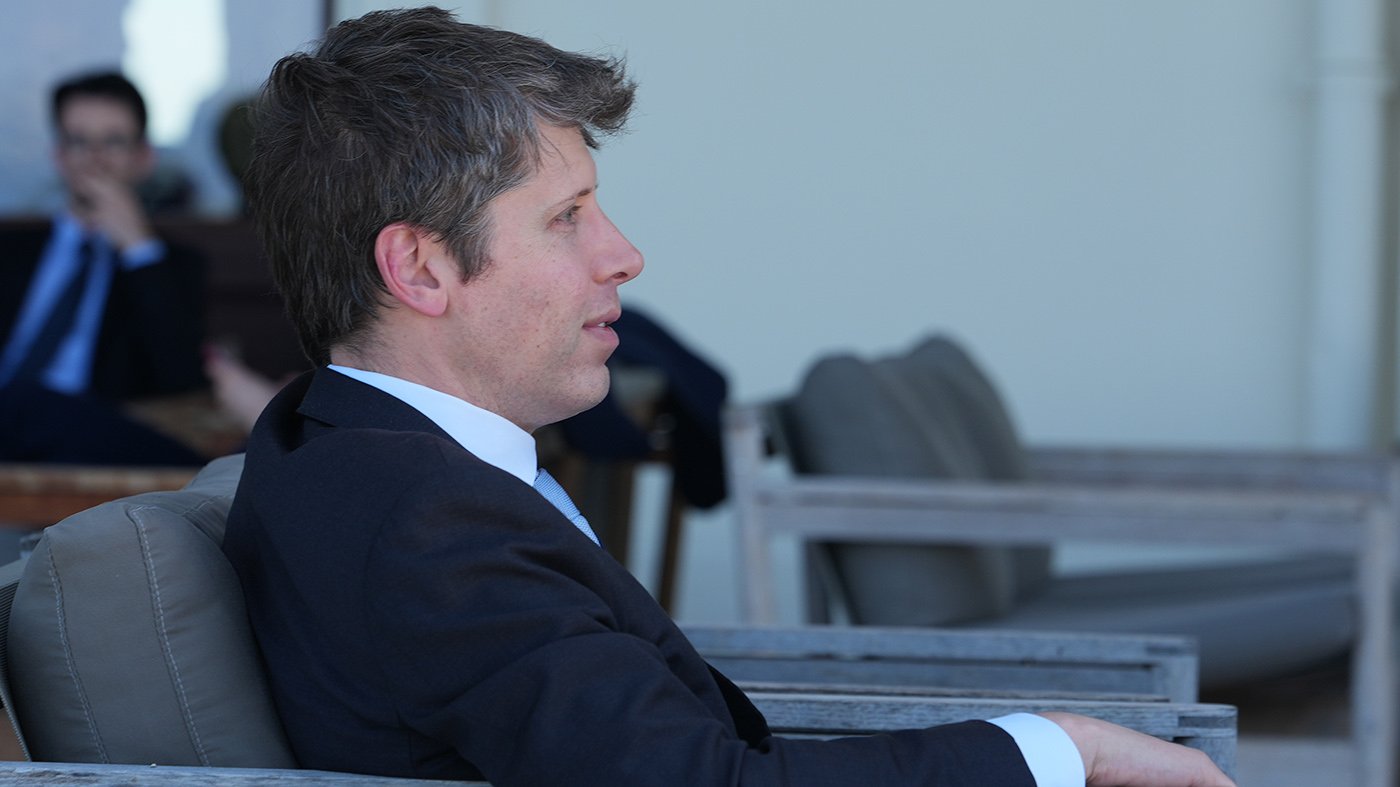
OpenAI has reportedly been developing a smartphone with AI agents, and CEO Sam Altman said in November the device would be more "peaceful and calm" than an iPhone. The company also acquired AI hardware startup io, co-founded by Tan and former Apple design chief Jony Ive, fueling speculation about its hardware ambitions. Tech analyst Dan Ives said the acquisition has made OpenAI "a lot more competitive" with Apple. "It was a smart move for Apple to kind of put a stake in the sand and make sure that OpenAI knows where Apple stands," Ives said.
The lawsuit claims more than 400 former Apple employees now work for OpenAI, though Silicon Valley firms are known for their revolving doors. Altman wrote on X that he is "not afraid" of Apple but has "tremendous respect" for the company, calling it "s-tier."
Bryan Sterba, a partner at Lowenstein Sandler LLP, warned the case could slow OpenAI's plans to go public. "If the trade secrets at issue referenced by Apple are relevant to all of those physical AI consumer products, that would tremendously hamper their ability to commercialize in the near term," he said. The suit's outcome could reshape the competitive landscape for AI hardware, a market where Apple has long held sway but faces new challengers.