The House on Tuesday approved legislation that would lock the nation into daylight saving time year-round, a move that has drawn broad bipartisan support but also sparked debate over its practical implications. The lower chamber passed the Sunshine Protection Act of 2025 by a vote of 308-117, with 22 Republicans and 95 Democrats opposing the measure.
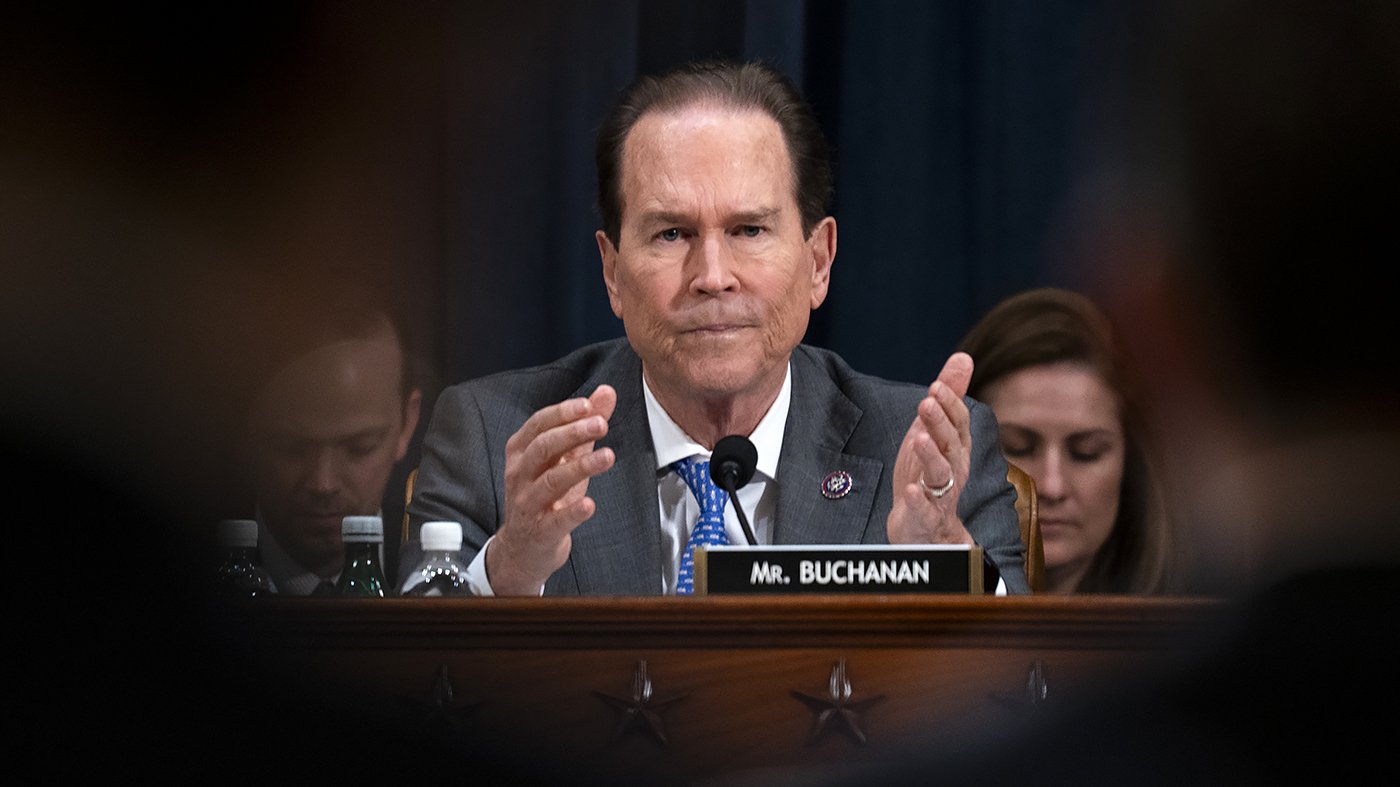
The bill, introduced by Representative Vern Buchanan (R-Fla.), now moves to the Senate for consideration. President Donald Trump has thrown his weight behind the legislation, calling it a win for the Republican Party and a relief for millions of Americans forced to adjust their clocks twice a year.

“It’s time that people can stop worrying about the ‘Clock,’ not to mention all of the work and money that is spent on this ridiculous, twice yearly production,” Trump wrote on Truth Social. He also argued that the change would save “Hundreds of Millions of Dollars” spent annually on the clock-changing ritual.
The push for permanent daylight saving time has been a long-standing priority in Florida, where supporters say extended evening daylight could boost tourism and outdoor recreation. Buchanan echoed that sentiment, stating, “Floridians and Americans across the country are tired of the biannual time change, and the evidence is clear that permanent daylight saving time can improve public health, reduce traffic accidents, lower crime and encourage more outdoor activity.”
Representative Frank Pallone Jr. (D-N.J.), the top Democrat on the Energy and Commerce Committee, also backed the bill, signaling rare cross-party alignment on a topic that has historically divided lawmakers.
However, the legislation faces headwinds in the Senate. While a similar measure passed the upper chamber unanimously in 2022 before stalling in the House, opposition has grown. Senator Tom Cotton (R-Ark.) warned that permanent daylight saving time would “push winter sunrises to an absurdly late hour,” forcing children to walk to school in darkness or prompting schools to delay start times.
The bill’s fate in the Senate remains uncertain, with some lawmakers advocating for permanent standard time instead. A competing proposal has been introduced to counter the daylight saving push, highlighting the ongoing debate over which time system best serves public health and economic interests.
If enacted, the Sunshine Protection Act would end the semiannual clock changes that have been a fixture of American life for decades. Proponents argue the shift would align with modern lifestyles, reducing disruptions to sleep and productivity. Critics, however, caution that darker winter mornings could pose safety risks and complicate school schedules.
The legislation now awaits Senate action, where bipartisan negotiations will determine whether the U.S. joins a handful of states and territories that have already opted for permanent daylight saving time. Finya Swai contributed to this report.