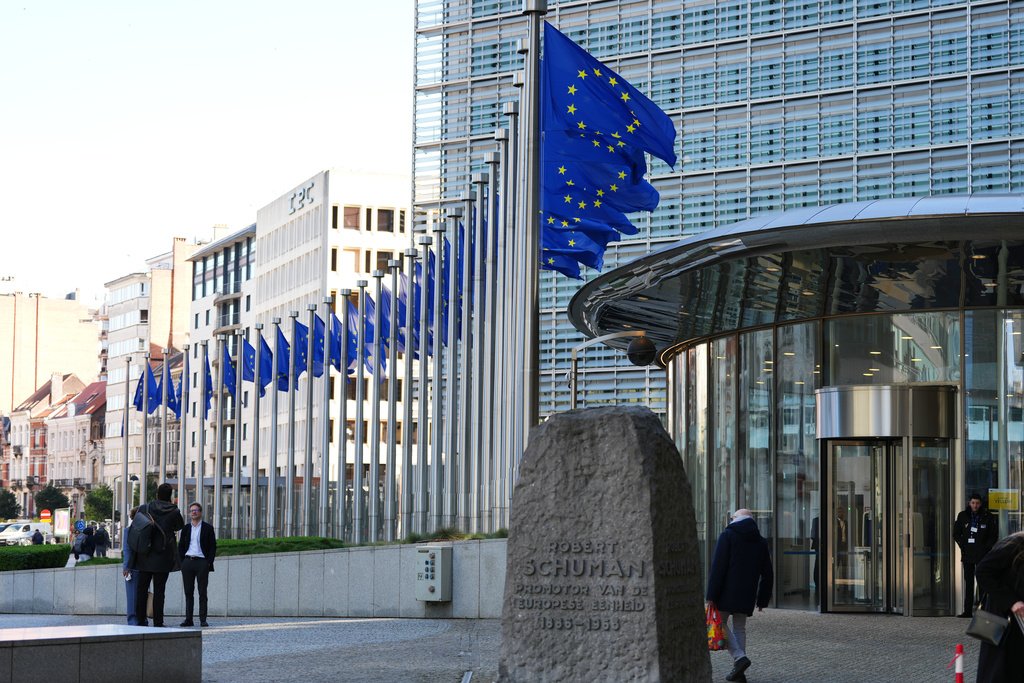
After spending a week in Brussels and Strasbourg meeting with European officials, business leaders, and EU-affiliated groups about energy and climate policy, I came away with a stark realization: America’s standing in Europe has collapsed. The conversations were constructive, but the undercurrent was painful—our allies see us as unreliable, and rebuilding that trust will take years, not months.
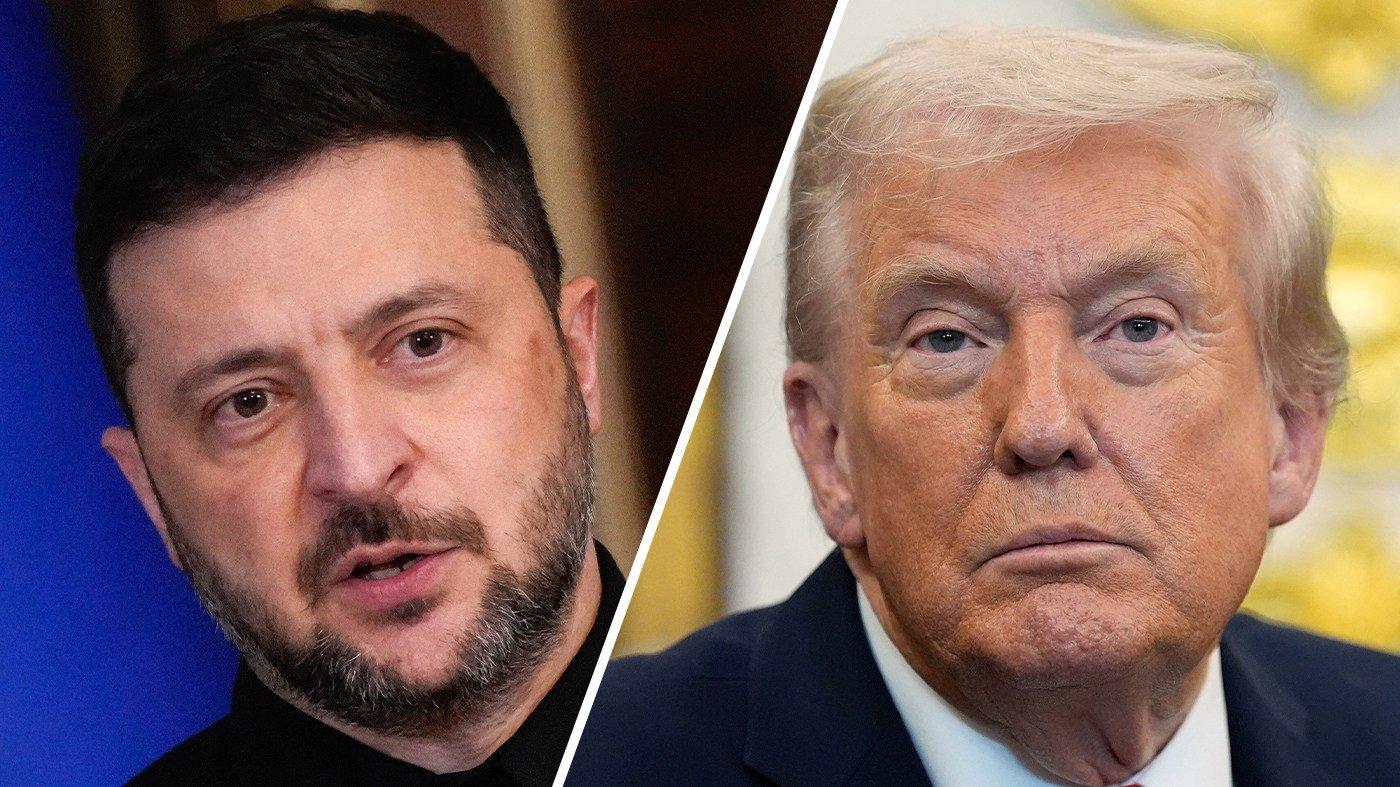
The Trump administration’s unilateral approach—tariff policies, threats over Greenland, and erratic foreign interventions from Venezuela to Iran—has drained the reservoir of goodwill built over decades. Europeans still respect Americans, but they no longer trust Washington. This shift was evident in every meeting, despite our reassurances that many in the U.S. care about shared challenges like AI-driven labor disruptions, China’s rise, climate refugees, and the populist backlash against neoliberalism.
Concrete Costs of Unilateralism
In one meeting, I learned that U.S. actions in Iran have actually accelerated Europe’s deployment of electric vehicles. NATO officials highlighted the strategic difficulty of maintaining a single-fuel policy across member nations when energy policies diverge. Most strikingly, U.S. saber-rattling over Greenland—explicitly leveraging European dependence on American liquefied natural gas—was directly compared to Russia’s use of natural gas dependence as a weapon in Ukraine. As one official put it, Europe now sees a science-denying bully to its east and another to its west.
This perception is pushing Europe toward China, which is actively courting the continent. A European leader told me, “China is being much nicer to us than you are right now.” That’s driving up Chinese electric vehicle sales in Europe, even as American policy aims to counter Beijing.
Long-Term Risks and the Isolationist Trap
In the longer term, a stronger Europe could benefit the U.S.—if it remains allied. More NATO spending, structural economic reforms, and a faster decoupling from fossil fuels are all positives. But as history shows, unilateral strength in an isolationist world leads to conflict. The post-WWII peace was built on multilateralism; the path to WWI was paved with individual pursuit of power.
Europeans are now uncertain which future the U.S. is pushing for. They don’t want isolationism, but they know they must become stronger. That raises hard questions: Would Danish soldiers still honor NATO Article V for the U.S. after our threats to Greenland? How much Arctic intelligence sharing have we lost? The French used to help monitor Iranian nuclear enrichment—how much information has been lost without their presence?
As Trump’s public snub of Meloni risks a key European ally, the damage to alliances is clear. Meanwhile, the affordability crisis at home underscores how foreign policy missteps compound domestic strains.
The Path to Rebuilding
Democrats winning at least one chamber in 2026 and the White House in 2028 would help, but it’s not enough. Europeans need to know that U.S. support doesn’t depend on which party holds power. Waiting for a “normal” Republican president is a dangerous gamble.
The real solution is to strengthen multilateral institutions so they can function even without U.S. backing. The World Trade Organization hasn’t challenged Trump’s tariffs, and no one is charging Defense Secretary Pete Hegseth with war crimes—even though smaller nations are prosecuted for similar actions. If we’re serious about multilateralism, we must rebuild institutions that are resilient against a future despot. That’s a tall order, but the alternative—a world where trust is lost in buckets—is far worse.