Just over 100 days from the midterm elections, Decision Desk HQ (DDHQ) has released a forecast that puts Democrats in a strong position to capture the House while the Senate remains deadlocked at 50-50, handing Republicans a razor-thin majority through Vice President Vance's tiebreaking vote.
According to DDHQ's analysis, Democrats are projected to secure a 227-208 edge in the lower chamber, with a 62 percent probability of flipping control. In the Senate, Republicans face a 57 percent chance of holding their slim edge, largely due to the vice president's role in breaking ties. The overall odds of Democrats winning at least one chamber stand at 65 percent, with a 40 percent chance they sweep both chambers. Conversely, Republicans have a 35 percent likelihood of retaining full control of Congress.
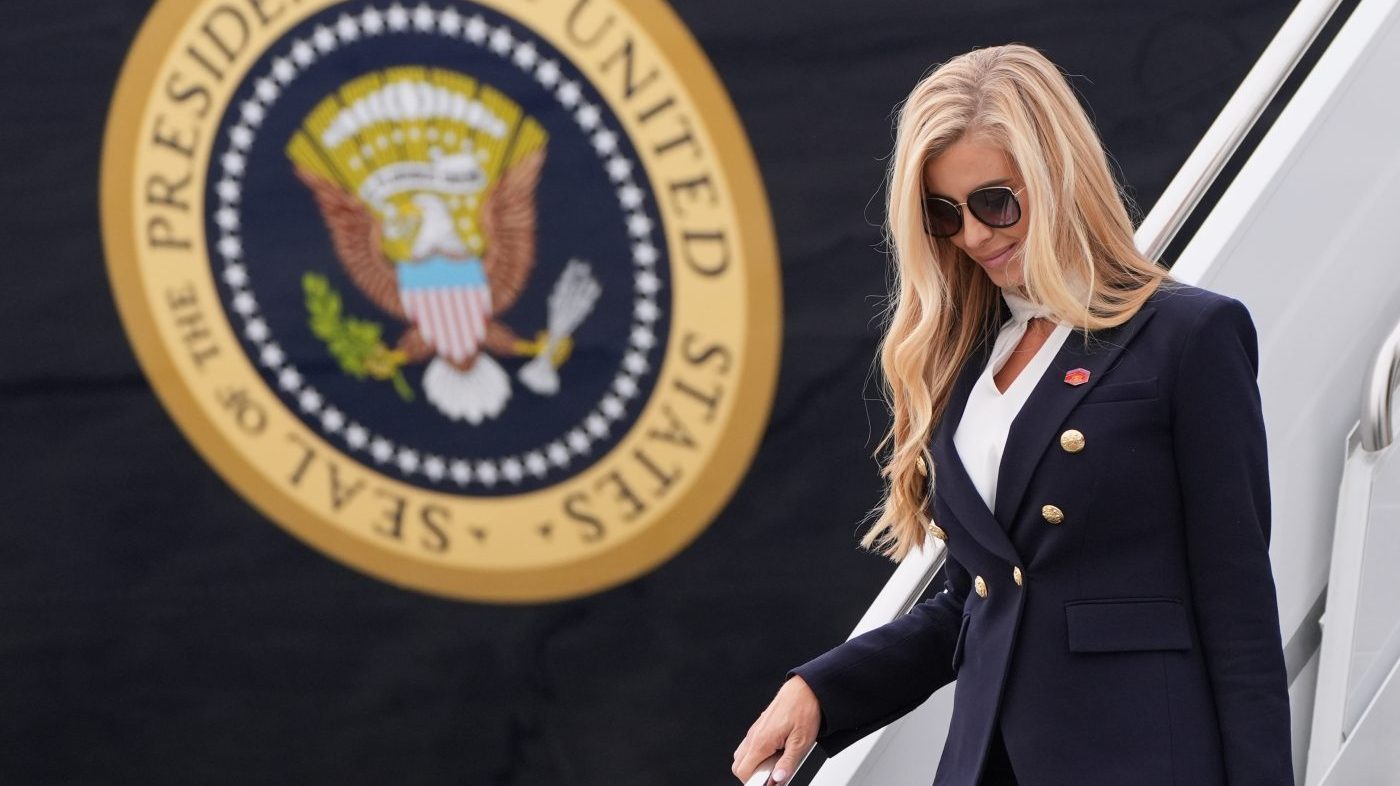
Geoffrey Skelley, DDHQ's chief elections analyst, described the scenario of split control as a “very real outcome,” cautioning that shifting dynamics in one chamber could ripple into the other. “What is happening across the country in one place is likely to be at least somewhat correlated to what’s happening in another place,” Skelley said, underscoring the fluidity of the race.
Democrats are banking on historical midterm trends that typically punish the president's party, along with President Trump's persistently low approval ratings. While Trump's numbers have inched up to about 42.5 percent after hovering near 40 percent since March, the generic congressional ballot still favors Democrats by 4 percentage points—down from a 7-point lead in May. Skelley noted that this lead is sufficient for a House win, but warned, “If it gets smaller than that, you could end up in a situation where the House is more of a true coin flip.”
To take the House, Democrats need to net just three seats from the current Republican functional majority of 220-215. However, mid-decade redistricting has raised the bar. Republicans have gained roughly five seats through redistricting, meaning Democrats effectively need eight seats to reach 218. Skelley explained, “It is a little higher wall, and does speak, I think, to why redistricting has helped Republicans’ chances overall and lowered the ceiling of what Democrats might hope for.”
Key House races include Florida's 14th District, where Rep. Kathy Castor (D) faces a tough reelection after GOP-led redistricting, and North Carolina's 1st District, where Rep. Don Davis (D) is in a rematch with Republican Laurie Buckhout. The Mamdani's summer surge could also energize progressive turnout in several battlegrounds.
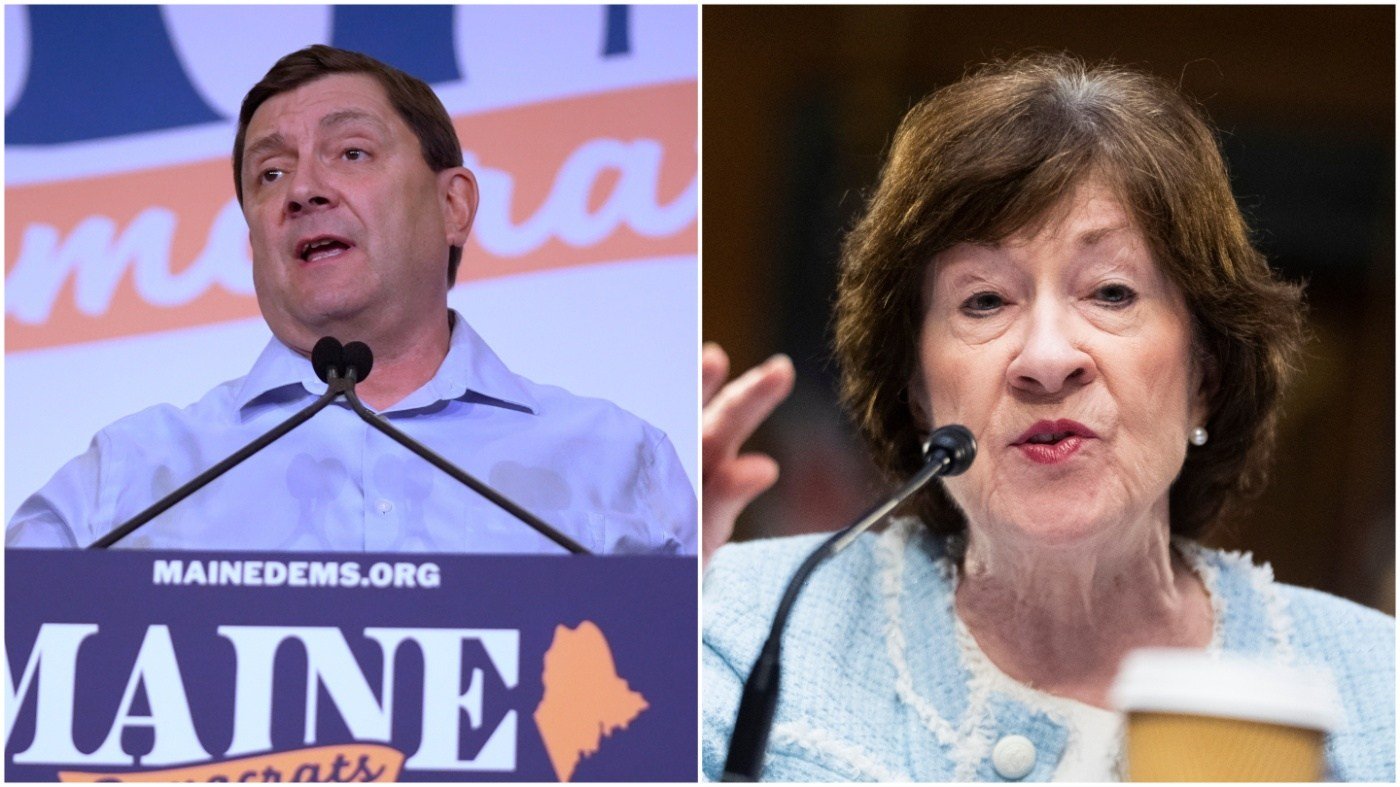
In the Senate, Democrats need to flip four seats to gain control, but they face an uphill climb. Republicans are favored in key states like North Carolina, where Democrat Roy Cooper trails Republican Michael Whatley with just a 28 percent chance of winning, according to DDHQ. In Alaska, Democrat Mary Peltola has a 44 percent shot at unseating Sen. Dan Sullivan (R), while Texas remains a toss-up between Democrat James Talarico and state Attorney General Ken Paxton, following a brutal primary that ousted incumbent Sen. Jon Cornyn (R). The Platner's collapse in Maine has scrambled Democratic plans to challenge Sen. Susan Collins (R).
The forecast also highlights a competitive Michigan Senate race, where Rep. Haley Stevens (D) and progressive Abdul El-Sayed are locked in a primary battle to face presumptive GOP nominee Rep. Mike Rogers. With the House Democrats facing internal rifts, the party's ability to maintain momentum will be critical.
As the election draws closer, Skelley emphasized that the current environment is Democratic-leaning but not overwhelmingly so. “The question now is: Is that going to continue as we get into the fall, or is it going to bounce a bit back toward Democrats? Could it even improve more for Republicans?” he said, leaving the outcome uncertain in a race that could redefine control of Congress.