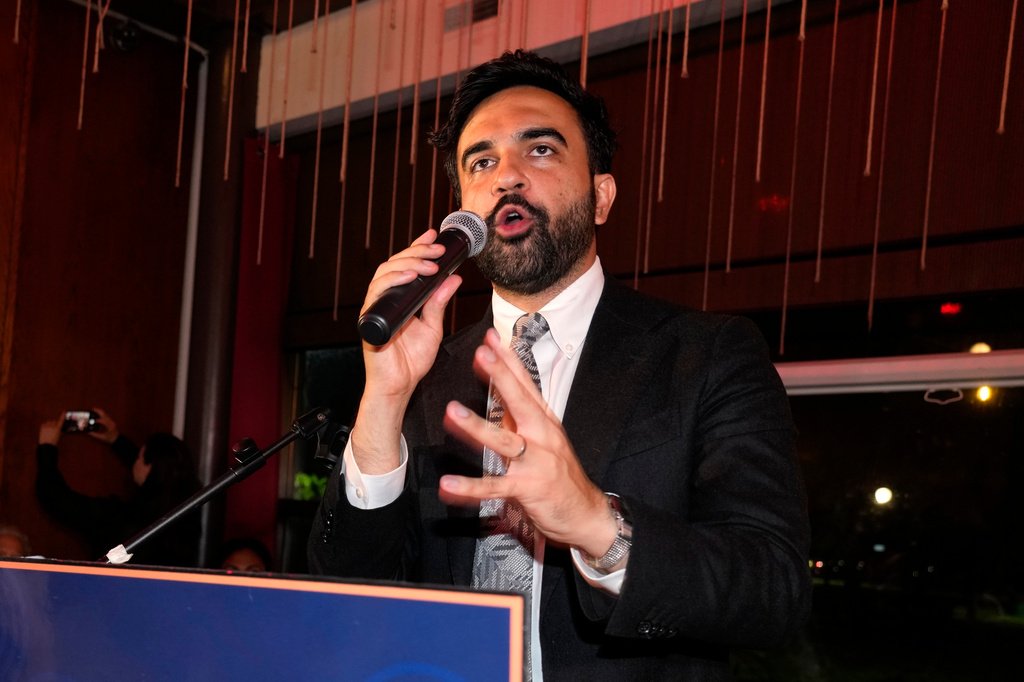
New York City Mayor Zohran Mamdani is riding a wave of success this summer, with his endorsed candidates from the Democratic Socialists of America (DSA) scoring victories in New York and Colorado. His administration has pushed through a tax on luxury second homes and is launching city-run grocery stores to combat inflation, earning praise from progressives and fierce condemnation from President Trump, who has labeled the movement a "communist takeover."
The mayor's popularity, hitting 58 percent in New York City, reflects a broader appetite for left-wing economic policies among some voters weary of high prices and income inequality. Yet as the midterms approach, strategists on both sides are watching closely: Can Mamdani's brand of socialism translate into wins for Democrats in swing districts, or will it become a liability?
Trump and Republicans are already weaponizing the DSA label, painting its candidates as radicals. Mainstream Democrats, wary of being tied to the movement, have issued statements asserting their capitalist credentials. But polls show that for many voters, particularly those hit hard by inflation, the "socialist" tag isn't a dealbreaker. A Fox News poll found 38 percent of voters open to more socialist policies, and Gallup reported 66 percent of Democrats view socialism positively.
Still, the numbers are mixed. Nationally, capitalism still enjoys 54 percent support, and the DSA itself has a 22 percent favorable rating against 47 percent unfavorable. Critics, including the centrist Third Way group, argue that DSA candidates "routinely underperform with the working-class voters they claim to represent." A 2021 survey showed the group's membership is 85 percent non-Hispanic white, mostly male and college-educated—hardly a working-class coalition.
Mamdani's policies, however, have delivered tangible results. The new tax on homes worth over $5 million hasn't scared off luxury buyers; Realtor.com reports the sector is booming. His plan for city-run grocery stores aims to lower food costs, and he's secured state support for faster bus service. "I hope to write a new chapter in our party's history," Mamdani said, "where working people are back at the heart of that struggle."
The DSA's platform, which calls for meeting "human needs" and opposing "profits for a few," has energized volunteers and boosted turnout. The movement draws inspiration from Senators Bernie Sanders and Elizabeth Warren, who have long attacked Wall Street and corporate power. Their populist message mirrors Trump's own attacks on elites, though from the left.
Democrats face a real chance to retake the House, given Trump's low approval ratings and ongoing inflation. But Republicans are eager to tie every Democratic candidate to Mamdani, calling him a "socialist king." Ads featuring the mayor are expected to flood swing districts this fall. As Juan Williams notes, Trump wants to test Mamdani's winning streak against the cold reality of November.
For now, the mayor's summer surge is undeniable. Whether it becomes a blueprint for Democratic success or a cautionary tale will be decided at the ballot box.