Two of President Trump's latest health nominees faced a skeptical Senate panel on Wednesday, with lawmakers from both parties pressing for assurances that the candidates would resist political interference if confirmed. The hearing before the Health, Education, Labor, and Pensions Committee highlighted lingering tensions over vaccine policy and the independence of federal health agencies.
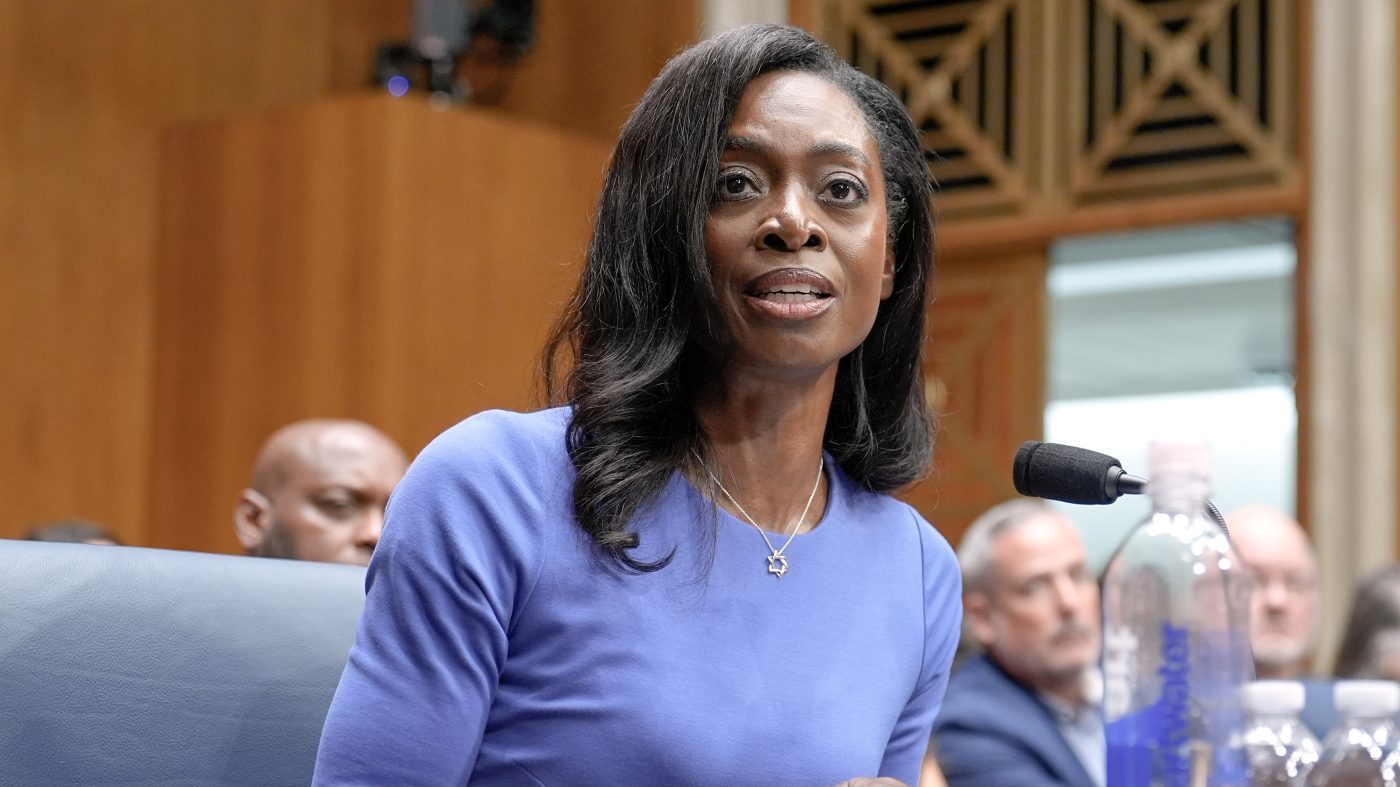
Erica Schwartz, nominated to lead the Centers for Disease Control and Prevention, and Sean Kaufman, tapped to head the Administration for Strategic Preparedness and Response, both defended their records while struggling to satisfy key senators seeking clear commitments. The CDC has lacked stable leadership for much of Trump's second term, with Susan Monarez, the previous director, reportedly ousted after less than a month for refusing to rubber-stamp vaccine policy changes without evidence.
Senator Bill Cassidy, the Louisiana Republican who chairs the HELP Committee, made his frustration plain throughout the session. Having lost his reelection bid in May, Cassidy appeared unconstrained by party loyalty, pressing Schwartz repeatedly on whether she would maintain control over CDC staffing and resist administration pressure on scientific decisions. When Schwartz emphasized her integrity and 25 years in uniformed service, Cassidy countered that her answers were evasive, remarking, “We spoke as two doctors, and here I spoke as I felt like you were always trying not to answer my question, which was disappointing.”
Cassidy also took aim at Kaufman over a since-deleted LinkedIn post questioning the need for the hepatitis B vaccine at birth. The senator slammed his hand on the dais, accusing Kaufman of repeating “damn lies.” Kaufman insisted he supports vaccines and noted his three children all received the birth dose, but Cassidy was unmoved.
Democrats on the panel echoed concerns about independence. Ranking member Bernie Sanders asked Schwartz whether she would inform Congress if the administration directed her to implement policies that were “unscientific and could harm the health and wellbeing of the American people.” Schwartz replied, “I do not believe that the president or the secretary would ever do what you just mentioned,” a response that drew further skepticism from Sanders and others.
The hearings come amid ongoing outbreaks of measles and cyclosporiasis across the country, underscoring the urgency of stable leadership at CDC and ASPR. Yet the same issues that derailed previous Trump health nominees—allegations of political interference and vaccine skepticism—resurfaced, leaving the nominees' fates uncertain. The committee's scrutiny reflects a broader political divide over public health independence, as seen in recent debates over Democratic strategies to counter Trump's agenda and internal party fractures over policy priorities.
Schwartz, a physician and former Deputy Surgeon General under Trump, was seen as a more conventional pick compared to some of the president's other health appointments. But her reluctance to directly answer whether she would push back against the administration frustrated even sympathetic senators. Cassidy noted he felt he was “having to go after this question a little bit more firmly than I feel like I should.”
The committee is expected to vote on both nominations in the coming weeks. With the administration's health agenda facing ongoing scrutiny, the outcome could signal how much independence the Senate will demand from Trump's public health leadership.