A fresh poll from The Economist and YouGov shows that 46 percent of Americans expect the ongoing conflict with Iran to stretch on for at least another year. Another 46 percent predict the war will last between one month and one year, while only 8 percent believe it will end within a month—including just 2 percent who think it will conclude in a week or less.
The survey, conducted July 10–13 among 1,616 U.S. adults with a margin of error of plus or minus 3.3 percentage points, underscores deepening public pessimism about the trajectory of the conflict, which is now nearing its fifth month. The war has weighed heavily on the global economy, driving up gas and oil prices, and has been broadly unpopular at home.
In a separate finding, 55 percent of respondents said the United States should stop attacking Iran, while 27 percent supported continued strikes. Eighteen percent were unsure. This marks a significant shift in public sentiment as the administration doubles down on military pressure.
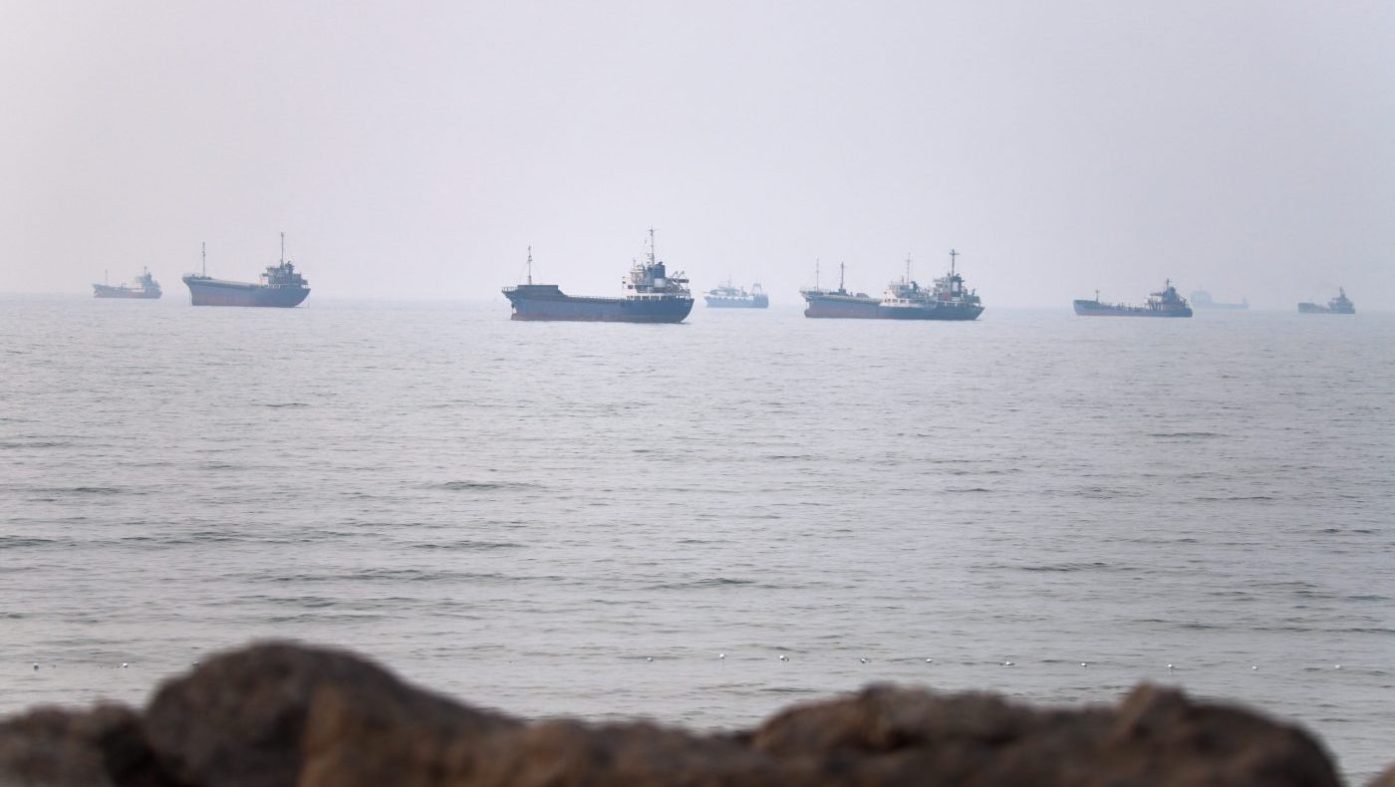
President Donald Trump, in a Fox News interview Tuesday, ruled out immediate negotiations with Tehran, describing the Iranian government as “evil” and accusing its new delegation of blocking a potential deal. The comments came as Trump announced the reinstatement of a naval blockade in the Strait of Hormuz, a critical chokepoint for global oil shipments.
“The Hormuz Strait is OPEN, and will remain OPEN, with or without Iran,” Trump posted Monday on Truth Social. “We are reinstating the THE IRANIAN BLOCKADE, so named because it is only stopping Iran’s ships or customers from entering or leaving. All other countries will have fair and open use of the Strait.” He added that the U.S. would be known as “the Guardian of the Hormuz Strait.”
The blockade is the latest escalation in a conflict that has already seen exchanged strikes and heightened naval confrontations. Trump’s tough stance reflects a broader administration strategy of maximum pressure, even as a majority of Americans now favor de-escalation.
The poll results align with earlier surveys showing widespread expectation of a prolonged war. In a recent poll, 79% of Americans predicted the Iran war would drag on, even as Trump reversed a previous toll policy in the Strait. The economic strain has also fueled a broader affordability crisis, with 95% of Americans saying the nation is in an affordability crisis as war costs climb.
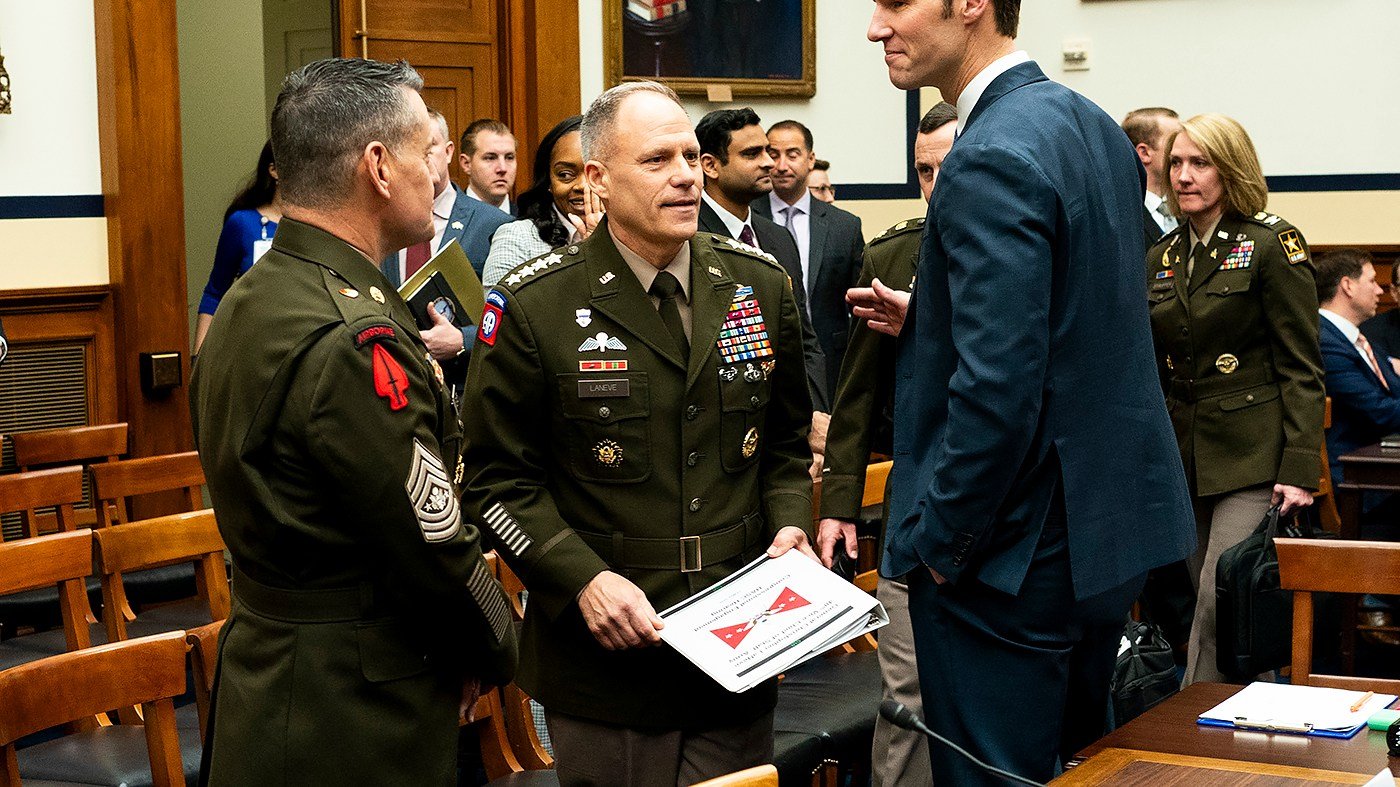
On Capitol Hill, Republicans are seeking more detailed briefings on the Pentagon’s plans. House GOP members are expected to receive a closed-door briefing on a proposed $350 billion defense boost, a sign that lawmakers are bracing for a long campaign. The war’s duration and cost remain central to the political debate, with Trump’s handling of the conflict likely to be a key issue in the 2026 midterms.