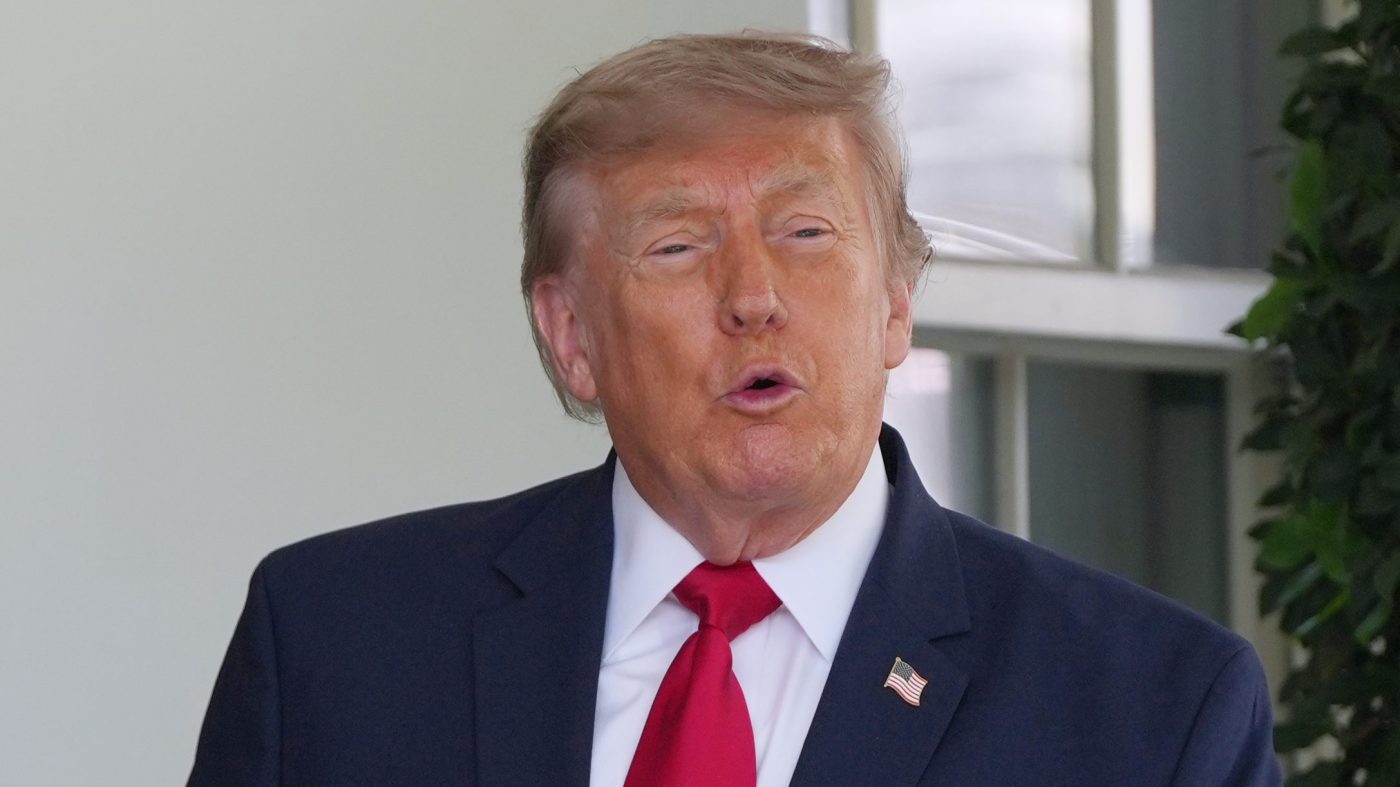
President Trump signaled a hardline shift Tuesday, telling Fox News he has no interest in negotiating with Iran at this moment, even as his administration continues military strikes against the country. In an interview with correspondent Trey Yingst, Trump described the Iranian leadership as “evil” and blamed the latest delegation for “stopping a deal.”
The remarks come as the United States ramps up operations in the Strait of Hormuz, a critical chokepoint for global oil shipments. The White House accused Tehran of violating a June 17 memorandum of understanding by attacking commercial vessels and disrupting safe passage through the waterway. That agreement, which Trump himself signed alongside the Iranian president, was intended to pause hostilities and create space for a broader settlement.
When Yingst asked whether the U.S. was engaging with the wrong Iranian officials, Trump replied: “Well, now, I don’t want to negotiate now. I said, ‘Let’s not negotiate.’ Three days ago, we had a deal.” Yet despite his public posture, talks have not completely collapsed. Trump confirmed that his representatives spoke with Iranian officials “an hour ago,” though he declined to detail what was discussed.
The president framed Iran as desperate for an agreement but untrustworthy. “They want to make a deal, but every time they make a deal, they break it,” he said. “They don’t want to die. People don’t want to die.”
This week’s escalation marks a significant breakdown of the 14-point MOU, which had been fraying for weeks. On Tuesday afternoon, the U.S. reimposed a naval blockade on the strait, and by Wednesday morning, American forces struck Iranian sites for the fifth time in five days. Trump made clear he is personally directing the campaign. “They’ll continue until I say, ‘it’s enough,’” he told Yingst.
The renewed confrontation draws parallels to previous tensions in the region, and Trump’s hardline stance could complicate ongoing diplomatic backchannels. Meanwhile, domestic political pressure is mounting, with some lawmakers questioning the administration’s strategy. House Democrats have already begun hammering Trump’s economic record, and the Iran crisis may further fuel criticism of his foreign policy approach.
In a related development, the Senate is reviewing the administration’s broader military posture. Trump is weighing a broader offensive as Pentagon officials face tough questions on Capitol Hill. The situation has also drawn attention from international allies, with some urging restraint to avoid a wider conflict.
As the strikes continue, the key question remains whether Trump’s refusal to negotiate is a temporary tactic or a fundamental shift. For now, the Strait of Hormuz remains a flashpoint, and the White House shows no signs of backing down.