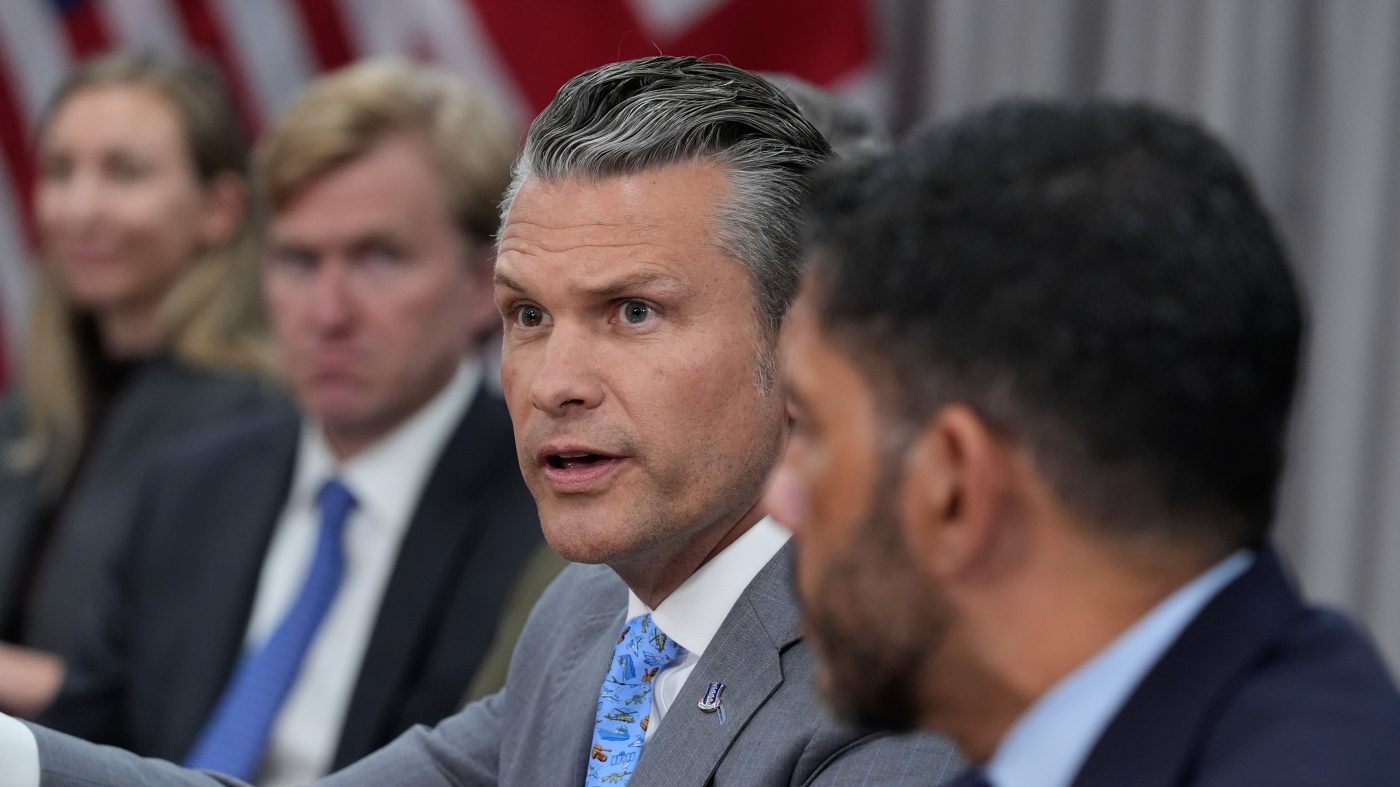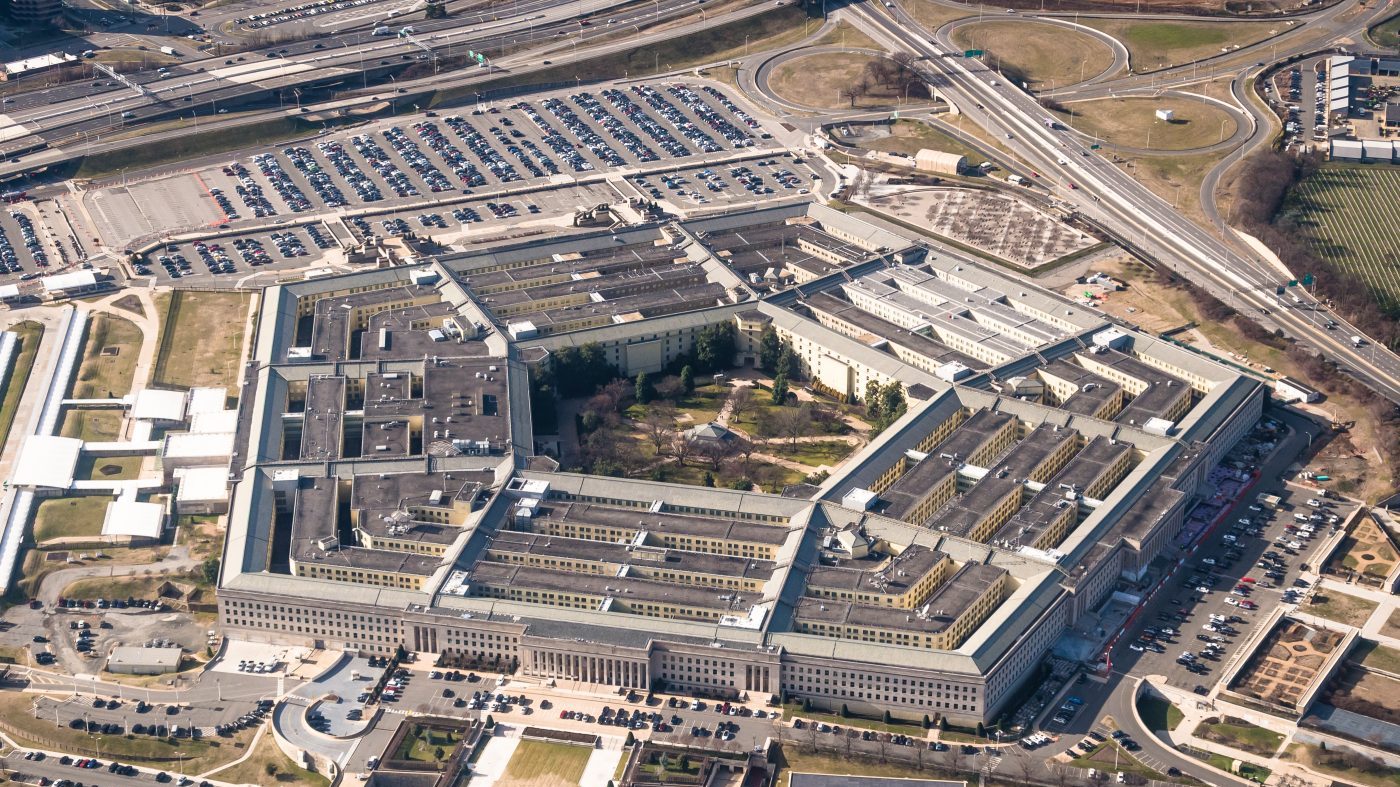
The Pentagon has confirmed that no senior Department of Defense officials will attend the Aspen Security Forum for the second consecutive year, continuing a pattern of snubbing one of the most prominent national security conferences in the United States. Acting Pentagon press secretary Joel Valdez told The Hill on Tuesday that the department's stance on the forum remains unchanged, reiterating a previous statement that the event 'promotes the evil of globalism, disdain for our great country, and hatred from the President of the United States.'
Last year, the Pentagon abruptly pulled military leaders scheduled to speak at the Colorado-based forum just a day before it was set to begin. At the time, chief Pentagon spokesperson Sean Parnell said the event does not 'align with the values of the DoD.' This year's boycott marks a continuation of that policy, with no senior defense officials listed among the speakers.
The Aspen Security Forum, which bills itself as the 'premier national security and foreign policy conference,' has historically drawn top officials from both Republican and Democratic administrations. During President Trump's first term, former Secretary of State Mike Pompeo and other senior officials attended. Last year, more than a dozen administration officials were originally slated to appear on panels before the Pentagon pulled them.
This year, only three administration officials are listed as speakers: Thomas Emanuel Dans, chair of the U.S. Arctic Research Commission; U.S. Trade Representative Jamieson Greer; and Robert Lighthizer, chair of the Department of War Defense Policy Board. Notably, no senior Pentagon or State Department officials are on the agenda.
The forum's lineup includes several prominent figures from past Republican administrations, including former acting Defense Secretary Mark Esper, former Secretary of State Condoleezza Rice, and former senior adviser Karl Rove. Senators Bill Cassidy (R-La.) and John Cornyn (R-Texas) are also scheduled to speak. The agenda covers a wide range of pressing issues, including the ongoing Iran war, U.S. strategy on Taiwan, Russia's war in Ukraine, NATO's future, and the impact of Trump's policies on Washington's alliances.
The Pentagon's boycott comes amid heightened tensions with Iran, as Trump rules out Iran talks while U.S. strikes escalate in the Strait of Hormuz. The forum's discussions on Iran and Taiwan are expected to draw sharp contrasts between administration officials and former policymakers.
Critics argue that the Pentagon's refusal to participate undermines the military's role in public diplomacy and strategic dialogue. Supporters of the boycott, however, view it as a principled stand against what they see as a forum that is hostile to the president and his agenda. The lone administration official to attend last year was Adam Boehler, Trump's special envoy for hostage release.
The snub also reflects a broader trend of the Trump administration distancing itself from traditional national security gatherings. The move has drawn comparisons to the administration's broader approach to international alliances, as seen in shifts in Ukraine policy and pressure to act on Iran and Taiwan.
As the forum kicks off, the absence of senior Pentagon officials is likely to be a recurring topic of discussion among attendees, many of whom are accustomed to hearing directly from military leaders. The Pentagon's decision underscores the deep partisan divide over national security priorities and the role of multilateral forums in shaping U.S. policy.