The sudden death of Senator Lindsey Graham over the weekend has sent shockwaves through Washington, robbing Ukraine of one of its most vocal and strategically vital champions in the U.S. government. Graham's passing comes at a pivotal moment, as President Trump's posture toward Kyiv has shifted dramatically from the infamous February Oval Office confrontation to a more cooperative stance following last week's NATO summit in Ankara.
At that summit, Trump touted allied 'unity' and 'love,' and notably exchanged warm words with Ukrainian President Volodymyr Zelensky. The president's newfound respect appears rooted in his disdain for perceived 'losers' and admiration for winners—a calculus now influenced by Ukraine's battlefield momentum against Russian forces. Yet the credit for that shift belongs in no small part to Graham, whose close personal and political ties to Trump helped steer the administration toward a firmer line against Vladimir Putin.
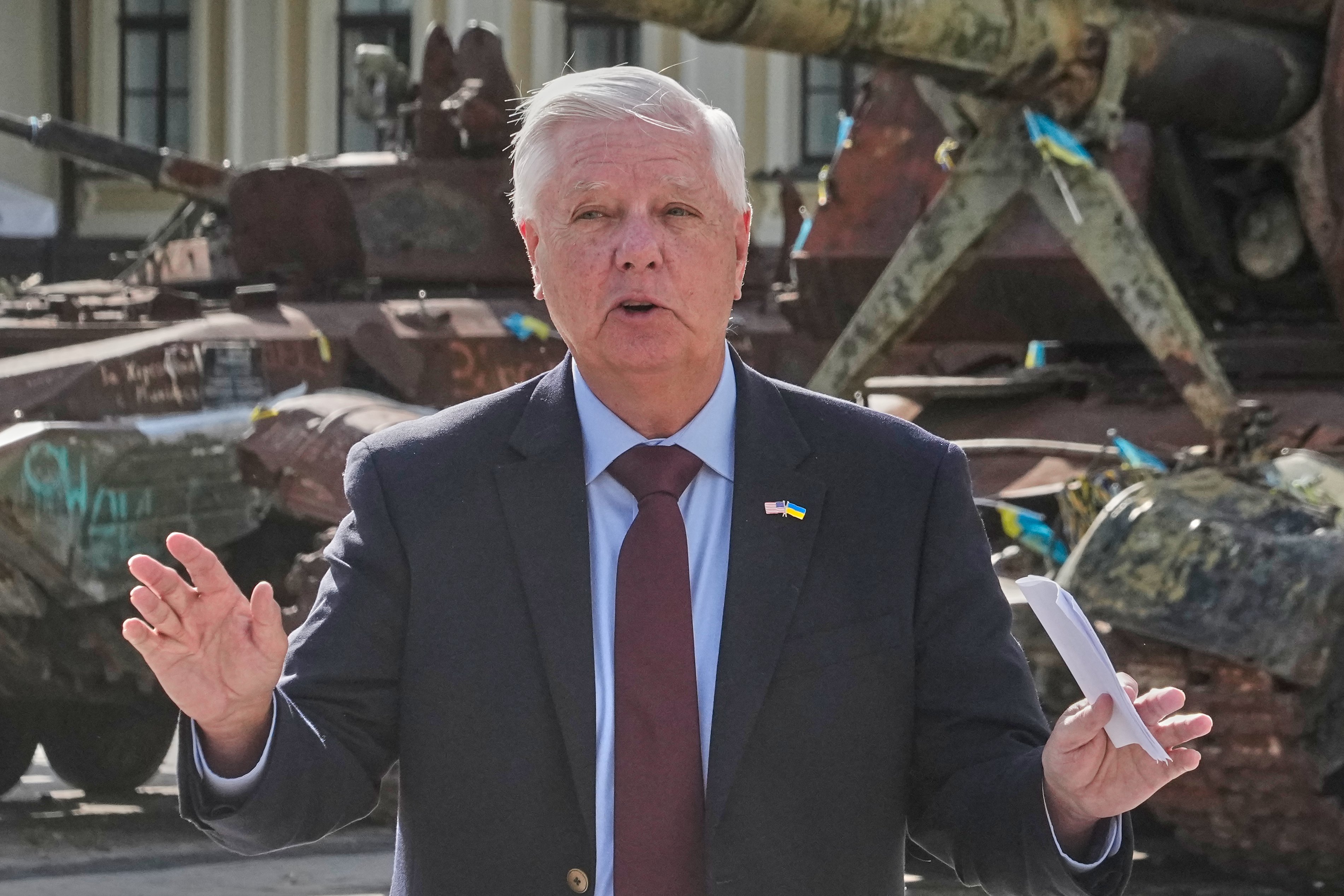
Graham had just returned from Kyiv, where he met with Zelensky and expressed optimism about a negotiated solution. He was also pushing bipartisan legislation to impose sanctions on countries still purchasing Russian oil and gas. That bill, targeting Putin's energy revenue, now faces an uncertain future without its chief sponsor. If it stalls, it would mark a major win for the Moscow-Beijing axis and validate their multi-front campaign against Western interests.
To honor Graham's legacy and counter that strategy, the president should immediately expedite Patriot technology-sharing with Ukraine, enabling strikes deep into Russian territory against military and dual-use targets. He must also deliver a clear public and private message to Putin: the United States is unequivocally committed to Ukraine's security and independence, and will do whatever is necessary to uphold those goals.
Simultaneously, Trump should confront the Putin-Xi Jinping strategy of distraction by coordinating a military-civilian campaign for regime change in Iran, and by providing Taiwan with everything it needs to deter a Chinese invasion or blockade. These are costly and dangerous tasks—reminiscent of the Allied fight against Nazi Germany, fascist Italy, and Imperial Japan—but far less costly in the long run than allowing a new axis of evil to succeed.
Graham strongly backed Trump's pledge that Iran will never acquire a nuclear weapon. Given the Islamic Republic's half-century of hostility, encapsulated in its 'Death to America' creed, the only sure way to prevent that outcome is to remove the regime itself. Recent U.S. strikes on Iran signal a willingness to act, but a broader offensive may be needed.
Graham's sister, Darline Graham Nordone, has been sworn in to fill his Senate seat, but his absence will be felt acutely in the corridors of power. As a friend, adviser, and national security confidante, Graham would argue that only Trump can rally America and its allies to meet these simultaneous challenges. His death demands nothing less than a decisive response.