The rapid expansion of legalized gambling across the United States has created fertile ground for prediction markets, platforms that allow users to wager on the outcome of political and world events. But a growing reliance on insider information is undermining the integrity of these markets, turning what was once a novel forecasting tool into something closer to a rigged casino.
Two major platforms, Kalshi and Polymarket, dominate the U.S. landscape. Kalshi is registered with the Commodity Futures Trading Commission, while Polymarket operates both a regulated U.S. arm and an unregulated international version. Polymarket's investor list includes 1789 Capital, a venture firm whose partners include Donald Trump Jr., creating a tangential link to President Donald Trump.
The core problem is that many events offered on these platforms are not random. Geopolitical outcomes, such as the reopening of the Strait of Hormuz, can be directly influenced by decisions made by the president or other world leaders. As shipping traffic in the Strait of Hormuz has fluctuated amid renewed U.S.-Iran hostilities, insiders with knowledge of diplomatic backchannels or military plans have been able to place bets with near-certainty, distorting the market.
Reports of sizable wagers based on classified information have become common. The Senate recently passed a rule banning all senators and their staff from betting on prediction markets, a move that acknowledges the threat. But that leaves House members, executive branch officials, and their families still free to participate, creating a patchwork of oversight that critics say is insufficient.
State legislatures are beginning to act as well, passing laws to block prediction market operations within their borders. These efforts are likely to face legal challenges, but they reflect a growing bipartisan unease with the spread of unregulated political gambling. The crackdown by major financial institutions like Goldman Sachs, which recently banned employees from betting on stocks and elections, signals that the private sector is also taking notice.
Prediction markets are not inherently flawed, but their vulnerability to insider trading is unique. Unlike sports betting, where outcomes are determined by athletic performance and game conditions, political events can be manipulated by a single announcement or executive action. The president's habit of moving markets with tariff threats, for example, has created a new class of wagers that essentially reward those with advance knowledge of White House decisions. Trump's escalating trade war has only intensified this dynamic.
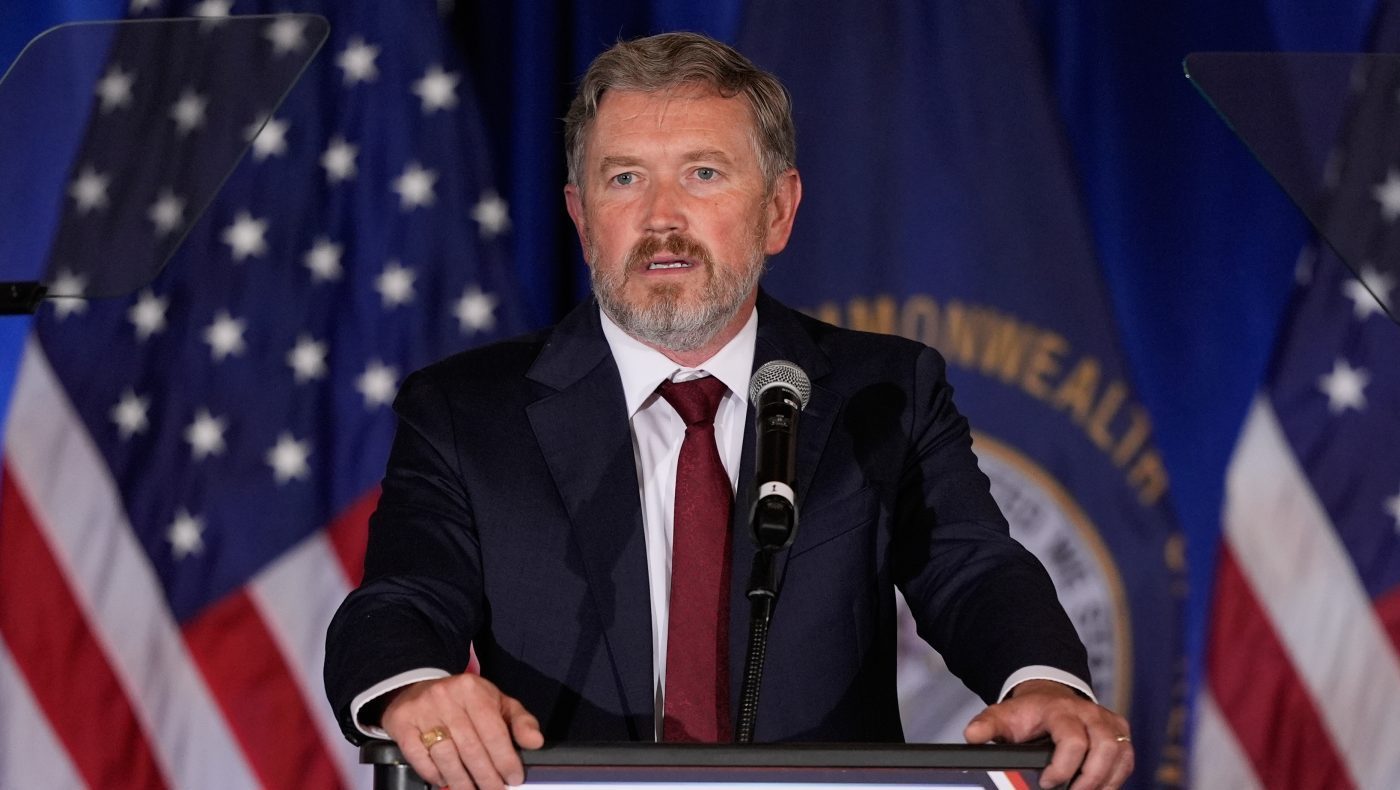
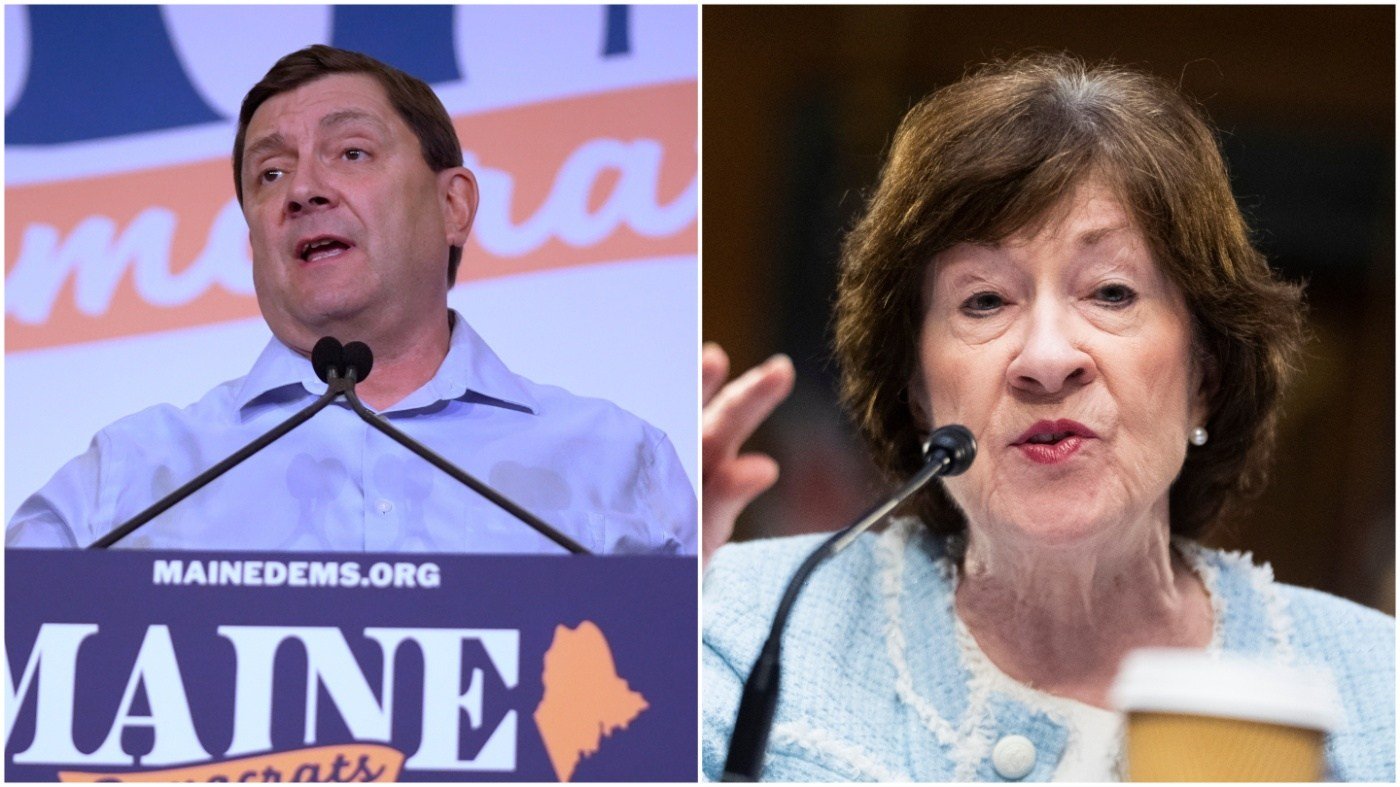
Some platforms have taken limited steps to address conflicts of interest. Kalshi suspended the accounts of three congressional candidates who placed bets on their own races. But such measures are reactive and do not prevent insider trading on a broader scale. Without systemic guardrails, prediction markets risk becoming vehicles for the wealthy and well-connected to profit from non-public information, eroding public trust in the information they produce.
As the number of betting opportunities tied to the president alone approaches 250, the line between legitimate prediction and insider gambling grows ever thinner. The platforms themselves have a financial incentive to set odds that capture insider knowledge, ensuring they remain profitable even as the markets lose credibility. The result is a system that is less transparent than traditional gambling, and far more susceptible to abuse.