Goldman Sachs is tightening its internal rules on employee trading in prediction markets, barring staff from placing bets on contracts tied to individual companies, financial benchmarks, or electoral results, according to a source familiar with the policy. The move, first reported by Bloomberg, allows workers to continue wagering on sports and entertainment outcomes but draws a firm line on markets that could pose conflicts of interest or insider trading risks.
The updated restrictions come as platforms like Kalshi and Polymarket face growing scrutiny from regulators and lawmakers over potential misuse of nonpublic information. In recent months, high-profile cases have underscored the vulnerability of these markets to illicit trading. A U.S. Army soldier was charged with using classified details about a January raid in Venezuela to profit over $400,000 on Polymarket, while a Google employee allegedly exploited internal data on the company's 'Year in Search' list to rake in roughly $1.2 billion in wagers last year.
Both Kalshi and Polymarket have responded by introducing their own safeguards. Kalshi announced in March it would block politicians, athletes, and other insiders from trading in relevant markets, and in June began asking users in certain sectors to disclose their employers. Polymarket updated its rules to explicitly prohibit trading on stolen confidential information or illegal tips, as well as by individuals who could influence market outcomes.
Despite these efforts, congressional oversight remains intense. House Oversight Committee Chairman James Comer (R-Ky.) launched an investigation in May into whether users are leveraging nonpublic or classified data to trade on these platforms. The probe reflects broader concerns about market integrity as prediction markets gain mainstream traction.
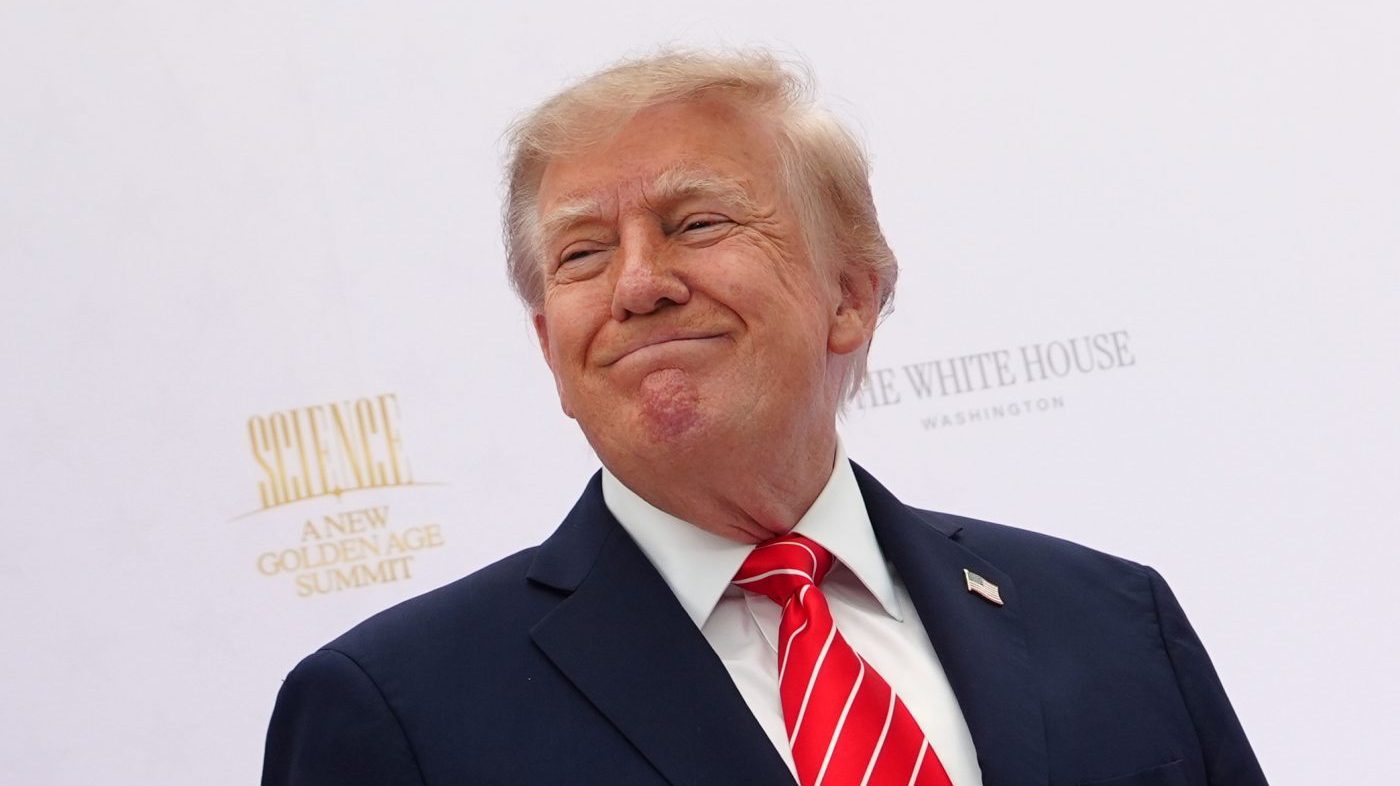
Goldman Sachs' policy shift aligns with a Wall Street trend toward stricter employee trading rules, particularly after the SEC has signaled interest in using AI to enhance market fairness. The bank's move also echoes earlier controversies: former President Trump recently gloated over Goldman's primary loss to Lander in New York, highlighting the firm's political entanglements.
The crackdown arrives as betting markets show a split on Senate control ahead of the midterms, making election-related contracts particularly sensitive. Goldman's ban on such wagers aims to insulate the firm from accusations of insider trading or political manipulation.
Industry observers note that prediction markets have grown rapidly, attracting both retail and institutional participants. However, the lack of robust regulatory oversight has left them vulnerable to abuse. The Goldman Sachs policy, while limited to its own employees, could set a precedent for other financial institutions weighing similar restrictions.
The bank's decision also comes amid a broader debate over the role of prediction markets in finance and politics. Critics argue that allowing bets on elections or corporate events undermines market integrity, while proponents see them as valuable tools for forecasting. For now, Goldman Sachs is taking a cautious approach, prioritizing compliance and reputational risk over speculative opportunities.