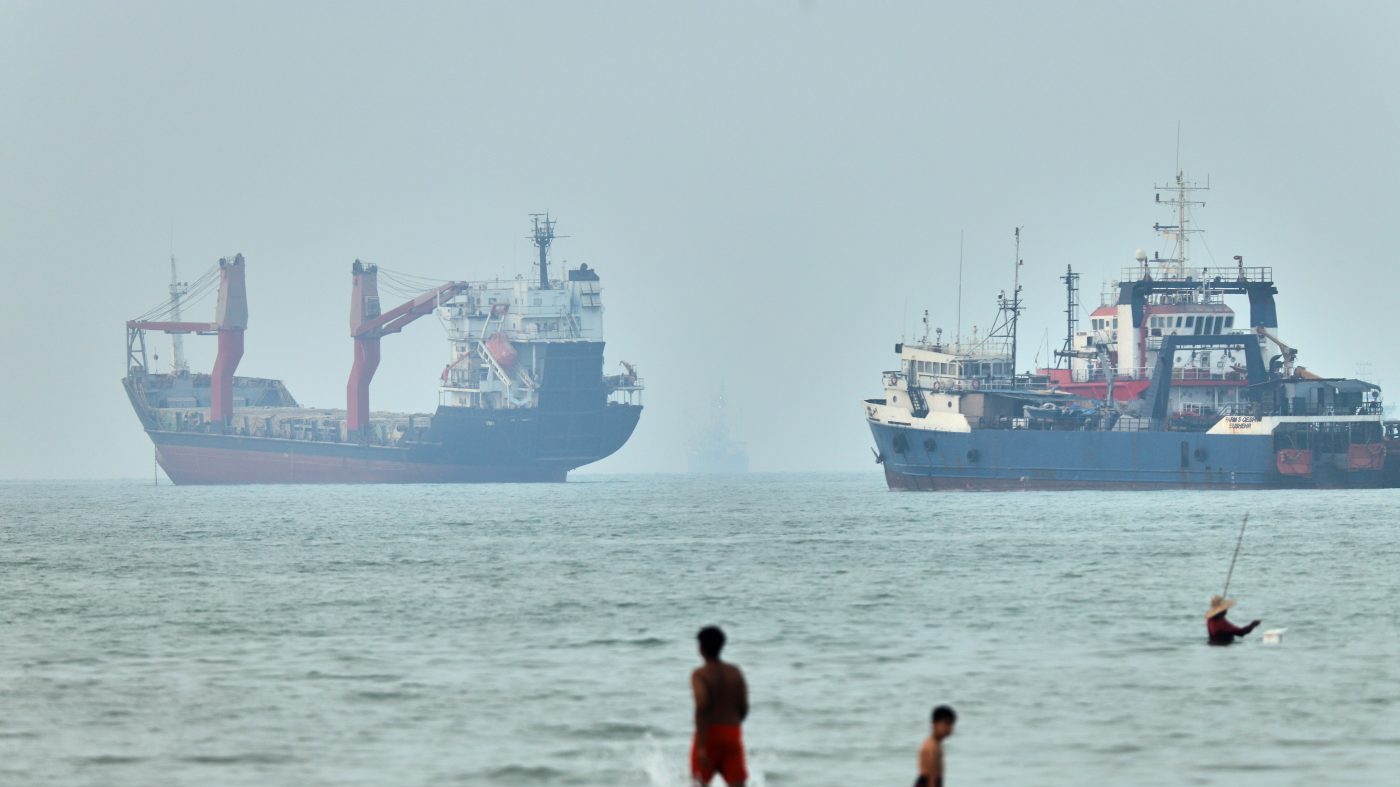
Shipping traffic through the Strait of Hormuz began to recover Monday following a weekend of retaliatory strikes between the United States and Iran, signaling a temporary de-escalation in the ongoing conflict that has rattled global energy markets.
Data from maritime tracking firm Kpler showed 40 vessels transited the critical waterway on Monday, up from 24 ships on Sunday and 39 on Saturday. The rebound comes after both countries agreed to a temporary stand-down, allowing safe passage through the strait that carries roughly one-fifth of the world's oil supply.
Energy markets responded in tandem, with West Texas Intermediate crude trading around $70-$71 per barrel and Brent Crude holding at $73-$75. The stabilization follows weeks of volatility driven by threats to close the strait, Iran's imposition of costly tolls for safe passage, and a now-lifted U.S. naval blockade.
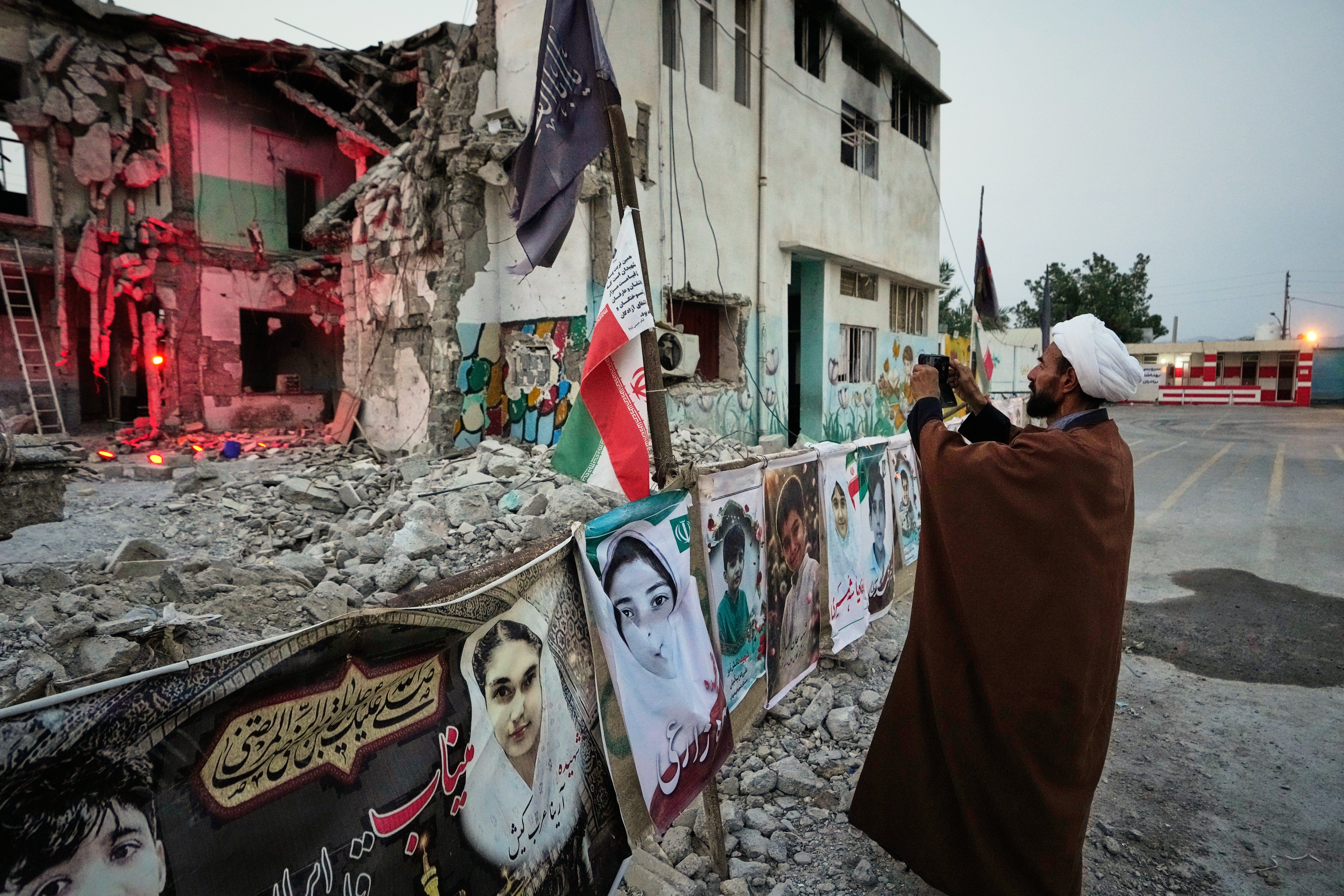
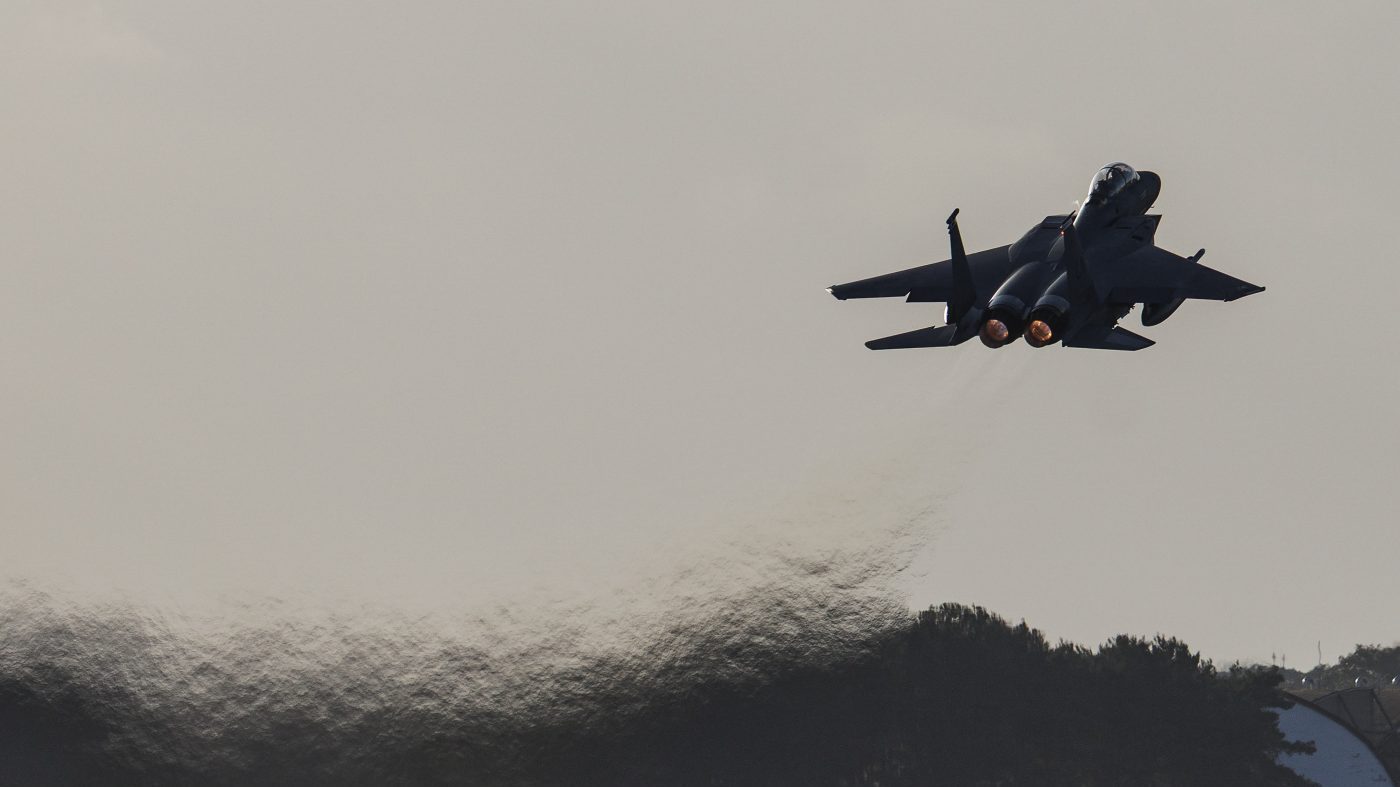
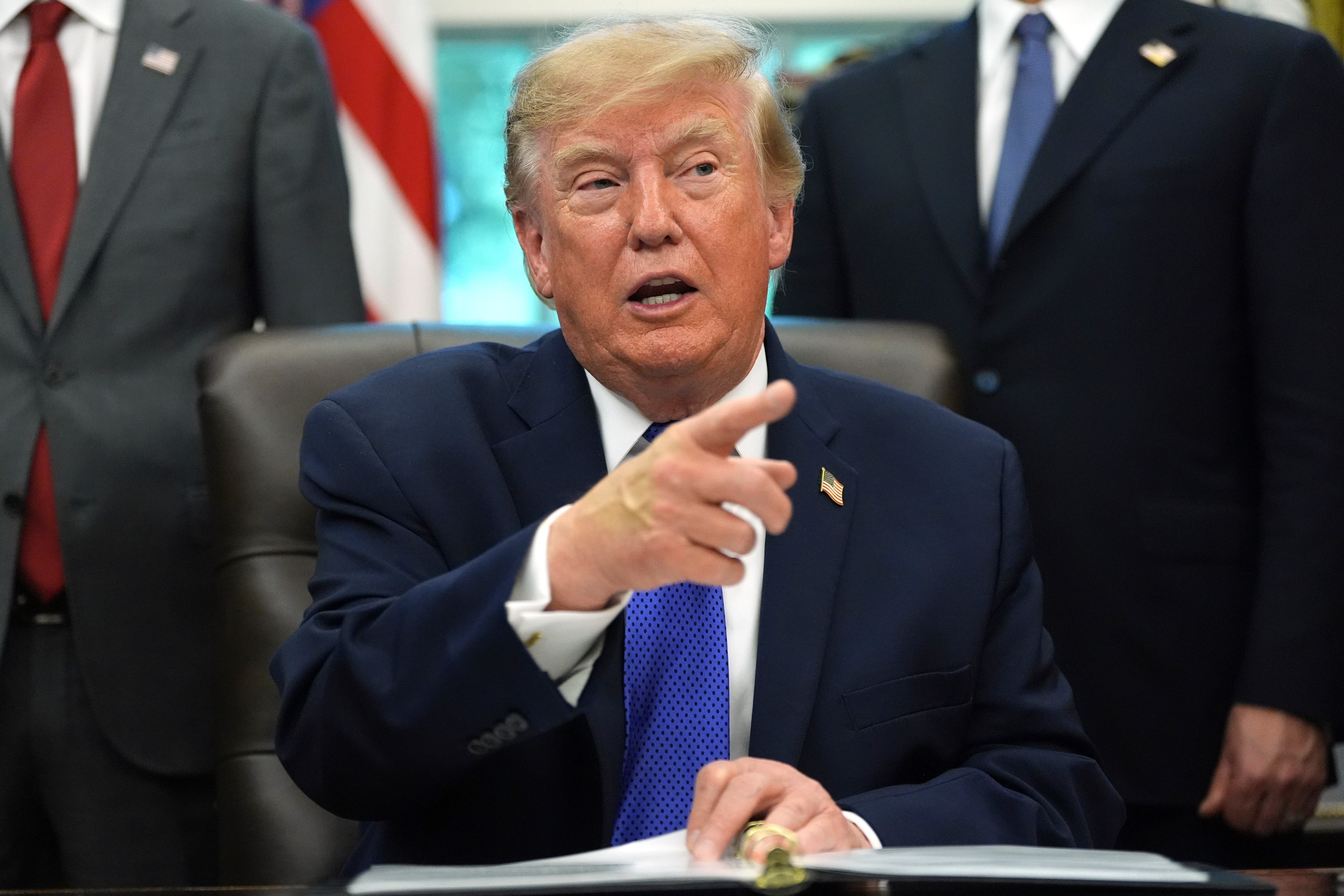
The latest round of strikes began after Iran hit a Qatar-operated crude oil tanker on Saturday, followed by an attack on a Singapore-flagged cargo vessel last week and strikes on U.S. bases in Gulf states on Sunday. The U.S. retaliated with military strikes against Iranian targets, further testing the fragile 60-day ceasefire reached on June 17, when President Trump signed a 14-point memorandum of understanding with Tehran aimed at ending hostilities and opening talks on Iran's nuclear program.
Despite the escalation, both sides agreed to stand down for now, a move that analysts say reflects mutual interest in avoiding a full-blown confrontation that could disrupt global oil flows. The stand-down comes as Vice President Vance, Middle East envoy Steve Witkoff, and Trump's son-in-law Jared Kushner lead negotiations with counterparts in the region.
Technical talks scheduled for Tuesday are indirect and focus on low-stakes details of a potential longer-term deal between the U.S. and Iran. Witkoff and Kushner will not meet directly with Iranian officials but will instead communicate through Qatari Prime Minister Sheikh Mohammed bin Abdulrahman bin Jassim Al Thani. Qatar, Pakistan, and Egypt are serving as mediators in the process.
The negotiations proceed amid a broader context of heightened tensions. Iran has struck Kuwait and Bahrain, threatening to end all U.S. talks, while the U.S. has hit Iranian military sites in response to attacks on shipping. The Strait of Hormuz remains a flashpoint, with both sides wary of triggering a wider conflict that could spike oil prices and destabilize the region.
Vance has framed the U.S. position as a win-win scenario, arguing that Washington benefits whether the Iran deal succeeds or strikes escalate. However, the fragile ceasefire and repeated violations underscore the difficulty of achieving a lasting resolution. The upcoming talks will test whether the two sides can move beyond tactical stand-downs to a more durable arrangement.