A federal judge in Massachusetts on Friday cleared the way for the Trump administration to resume deportations of Somali nationals with Temporary Protected Status (TPS), lifting a stay she had issued in a case challenging the termination of their protected status.
U.S. District Judge Allison Burroughs ruled that the Supreme Court's recent decision in a related case involving TPS for Haiti and Syria—known as the Mullin decision—deprived her of the authority to block the Department of Homeland Security's (DHS) action. The high court held that federal courts cannot review DHS's termination of TPS designations, a ruling that has now effectively ended legal challenges for other TPS countries.

In her order, Burroughs acknowledged that the Somali plaintiffs had presented a compelling case, writing that they had made a "convincing showing" they would suffer irreparable harm without an injunction. She also noted that the balance of hardships and public interest favored the plaintiffs, since the government had not shown that maintaining TPS status during litigation would be an undue burden. But she concluded that the Supreme Court's precedent bound her to view the case through the Mullin prism, leaving no path to success on the merits.
Somalia has been designated for TPS since 1991, when the U.S. government determined that widespread armed conflict made it too dangerous to deport migrants to the country. The designation was last renewed under the Biden administration, which cited ongoing violence and instability. Friday's decision affects approximately 700 Somali TPS holders.
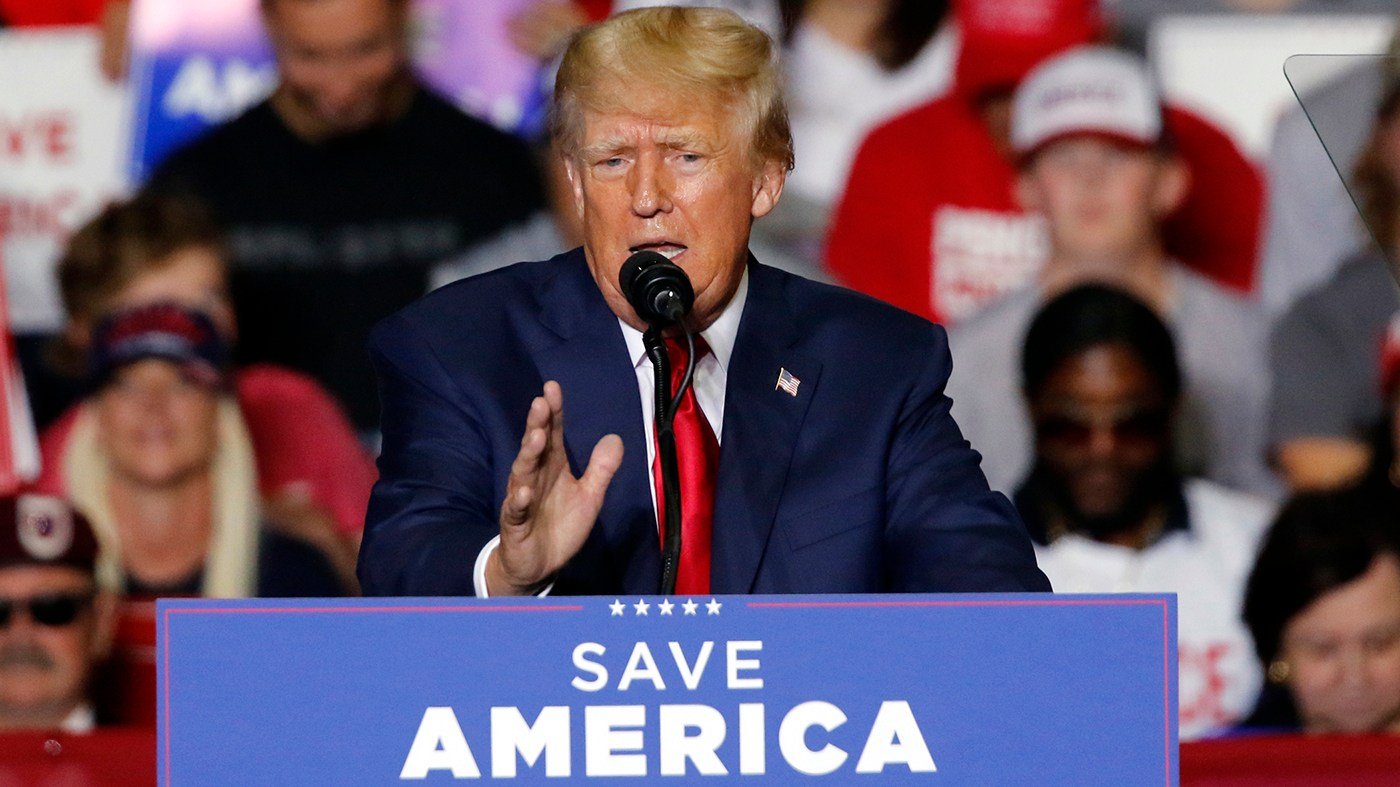
The plaintiffs had argued that the Trump administration's termination was motivated by racial animus, pointing to derogatory statements made by officials and the president's specific comments about Somalis, including after a fraud investigation in Minnesota that led to immigration raids. Burroughs acknowledged that the circumstantial evidence "clearly shows that Somalia and its people are being targeted," but she found that under Mullin, such evidence was insufficient to sustain a race-based equal protection claim.
The ruling underscores the difficulty facing citizens of the remaining TPS countries in challenging the termination of their designations. As appeals courts have recently dismissed challenges to other Trump immigration actions, the legal landscape for TPS holders has narrowed considerably.
Legal experts say the decision could have broader implications for TPS holders from other countries, including those from Sudan, South Sudan, and Yemen, who may face similar legal hurdles. The Trump administration has argued that TPS terminations are a matter of executive discretion and not subject to judicial review, a position the Supreme Court has now largely endorsed.
Advocates for Somali TPS holders condemned the ruling, saying it puts vulnerable individuals at risk of deportation to a country still grappling with violence and instability. "This is a devastating blow for families who have built their lives here and contributed to their communities," said one advocate. The administration, meanwhile, has defended the terminations as necessary to enforce immigration law and encourage self-sufficiency.
Friday's decision is the latest in a series of legal battles over immigration policy under the Trump administration, which has also faced challenges to its use of the Alien Enemies Act and other enforcement measures. The ruling does not end the case entirely; the plaintiffs may still pursue other claims, but the practical effect is that deportations can now proceed.