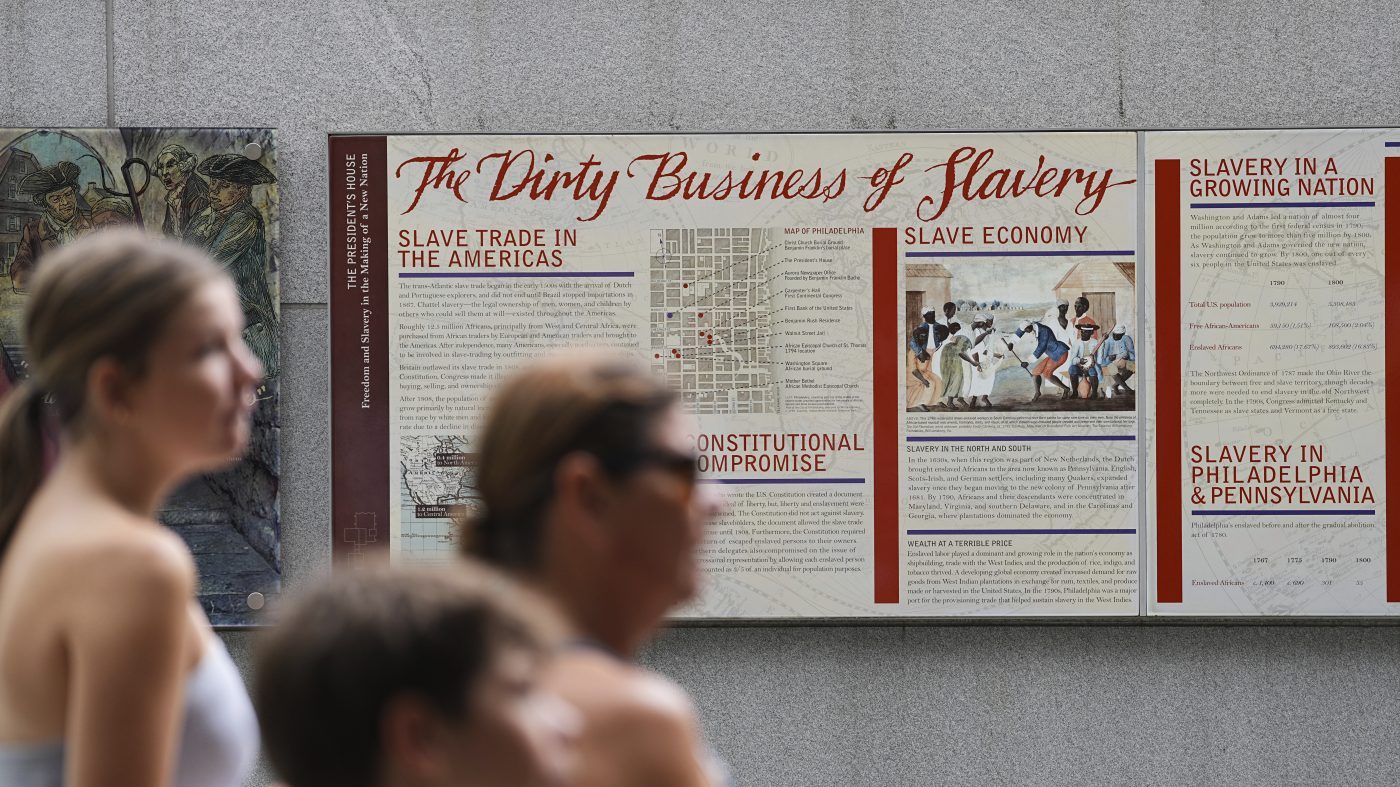
The Trump administration has quietly dismantled a longstanding exhibit detailing the history of slavery at President George Washington's former Philadelphia residence, a move that has drawn sharp criticism from local officials and historians. The exhibit, which had been in place for 16 years, was replaced Wednesday with a new version that experts say lacks historical accuracy, according to The Associated Press.
Philadelphia Mayor Cherelle Parker, a Democrat, condemned the decision in a statement posted to social media Wednesday, emphasizing the city's commitment to an honest portrayal of the past. “Philadelphia remains committed to the honest and accurate portrayal of history at the President’s House,” Parker said. She added that the original exhibit was “the hard-fought and hard-won result of the effort of countless federal, state, and local officials as well as advocates, including Avenging the Ancestors Coalition, dedicated to telling the truth.”
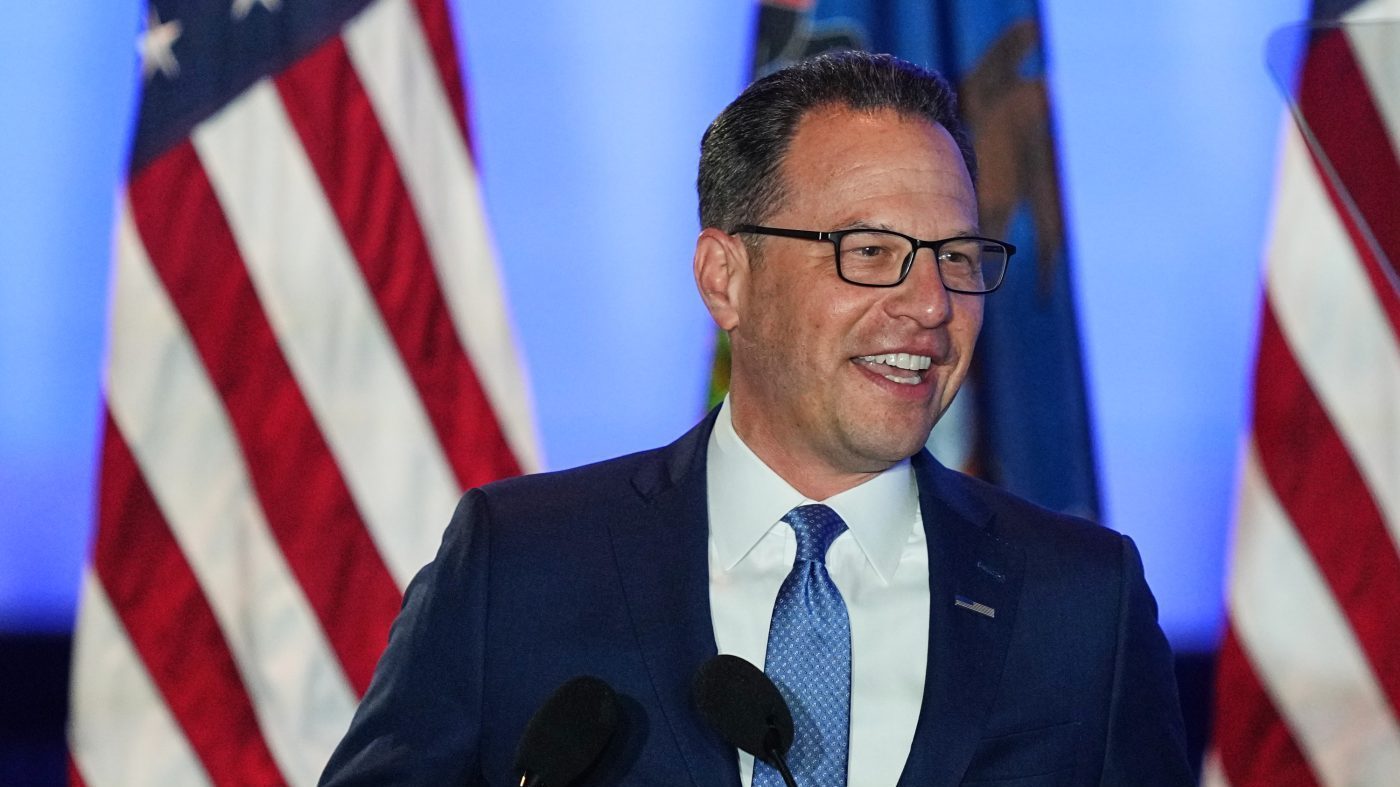
Parker noted that the federal government removed panels from the President’s House overnight, citing a federal court decision that grants the administration authority over the site. The President’s House, located near Independence Hall, served as the executive mansion for Washington and later President John Adams before the White House was completed. The original exhibit highlighted the lives of enslaved people who lived and worked there, including nine individuals enslaved by Washington himself.
This is not the first time the exhibit has been targeted. It was removed in January but reinstated in February after a federal judge ordered the National Park Service to restore it by a specific deadline. The latest removal has reignited debates over how the nation's founding figures and their ties to slavery should be memorialized.
Historians have criticized the replacement exhibit, arguing it whitewashes the brutal realities of slavery. The shift comes as the Trump administration continues to reshape federal cultural and historical presentations, often prioritizing a more sanitized narrative. This move aligns with broader efforts to downplay uncomfortable aspects of American history, a pattern seen in other federal sites and educational materials.
The Hill has reached out to the Department of the Interior for comment. The controversy also echoes tensions in other political arenas, such as the ongoing debate over how to address historical figures in public spaces. Meanwhile, the administration faces scrutiny on multiple fronts, including its foreign policy approach, as seen in recent discussions about potential military action against Iran.
Philadelphia officials and advocacy groups are vowing to push back, with some calling for renewed legal challenges to restore the original exhibit. The dispute underscores the broader cultural war over historical memory, with local leaders insisting that an accurate account of the nation's past is essential, even when it includes its darkest chapters.