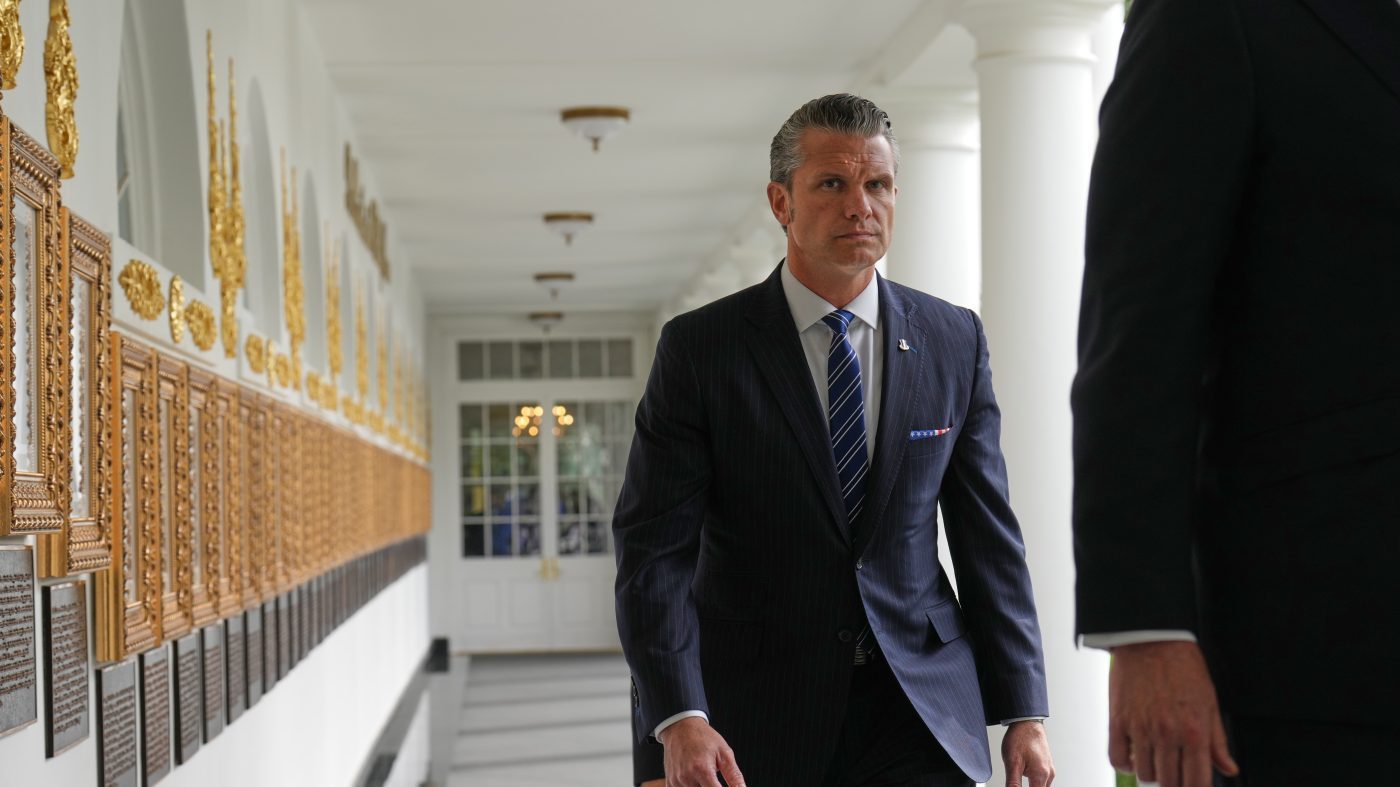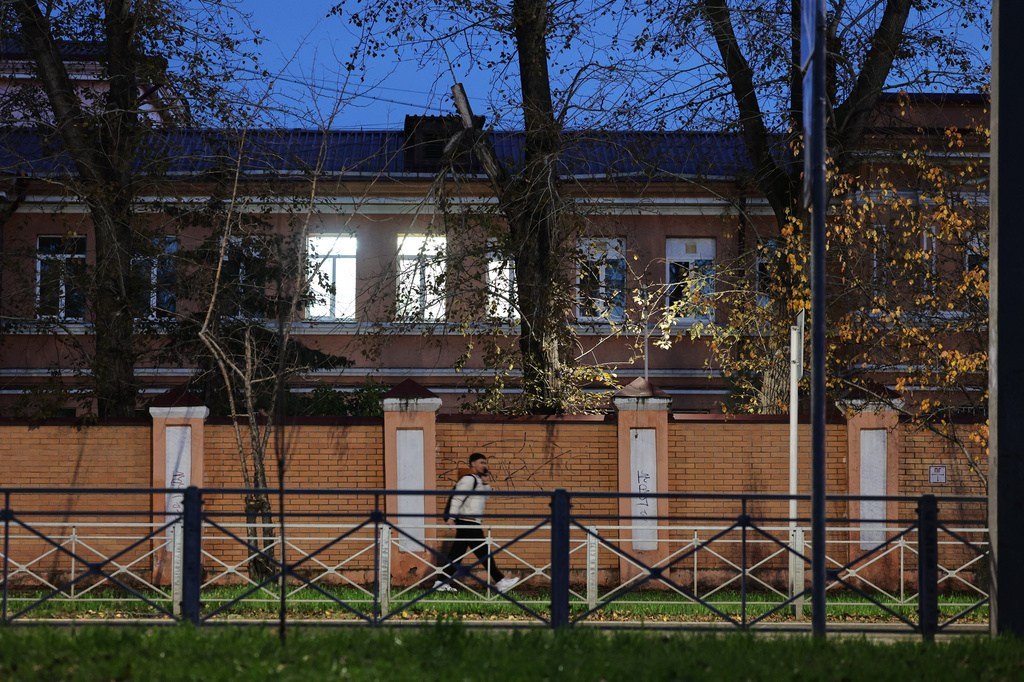
The U.S. military launched another wave of airstrikes against Iran on Thursday, extending the campaign to a sixth consecutive day as Washington presses its effort to degrade Tehran’s military infrastructure. The strikes, which began at 2 p.m. EDT according to U.S. Central Command, came less than an hour after the White House disclosed that Iranian officials remain in communication with the Trump administration despite the ongoing bombardment.
“Iran very much continues to talk to the United States of America and express that they want to make a deal with us because they are suffering devastating blows on behalf of our United States military,” White House press secretary Karoline Leavitt told reporters during a Thursday briefing. The administration has framed the strikes as a necessary step to curb Iran’s regional aggression, even as diplomatic channels remain open.
The Pentagon has now expanded its operations beyond the southern and central regions, hitting targets in northern Iran for the first time. The escalation signals a broadening of the U.S. campaign, which initially focused on missile sites and naval assets near the Strait of Hormuz. As Centcom pounded dozens of Iranian military sites near the strategic waterway in earlier waves, the latest strikes mark a significant geographic shift.
Iran has retaliated by targeting U.S. allies in the region. Kuwaiti military officials reported Thursday morning that their forces were working to intercept incoming Iranian one-way attack drones. The attacks on Kuwait underscore the widening theater of conflict, as Tehran seeks to pressure American partners.
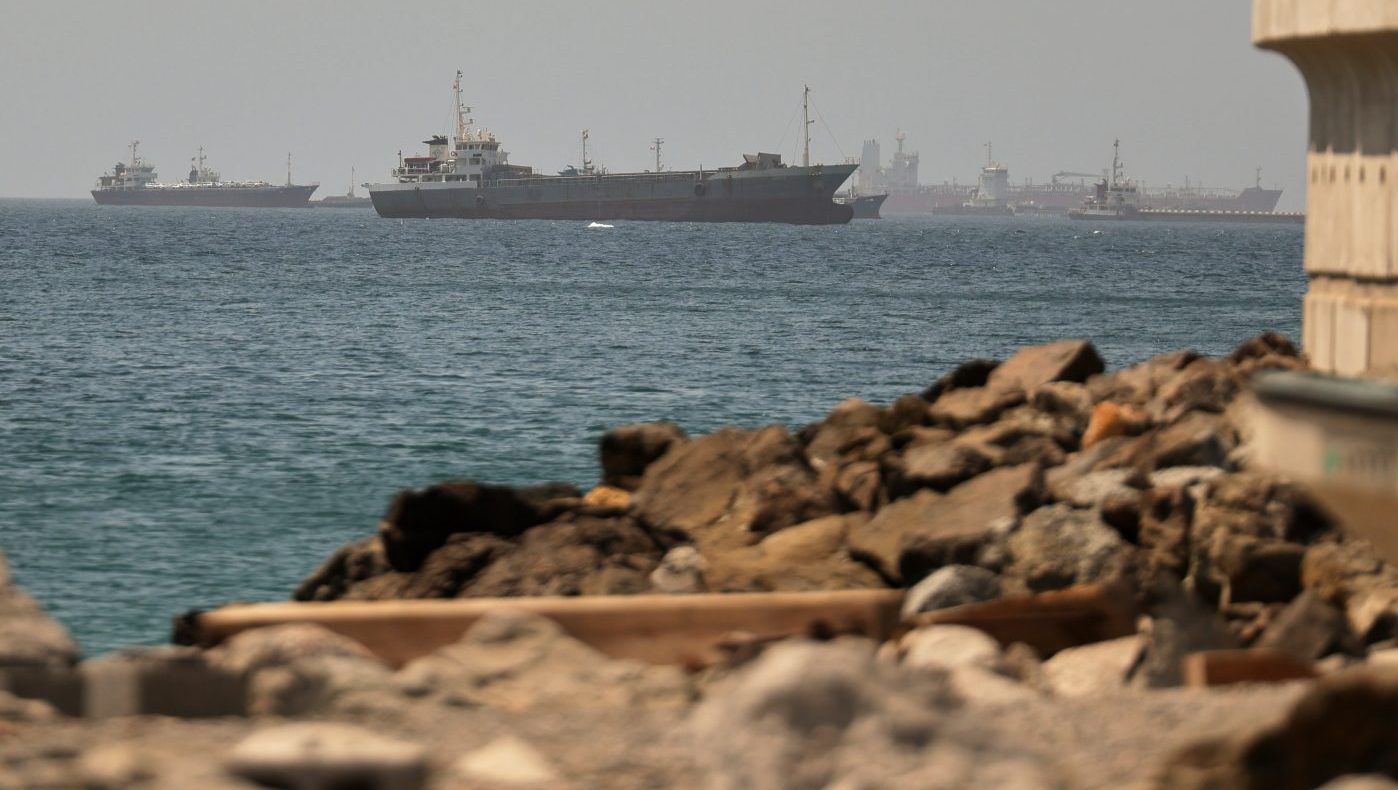
The U.S. Navy reimposed a naval blockade on Tuesday, a move that has already disrupted commercial shipping. Two vessels attempting to breach the blockade were redirected, and on Wednesday, a U.S. fighter jet disabled a Curaçao-flagged tanker in the Arabian Sea after it failed to comply with military orders. This marks the first such incident since the blockade went into effect, highlighting the heightened tensions in the region. The blockade is part of a broader strategy to choke off Iran’s oil exports and military resupply routes, as detailed in the Navy’s reimposition of the Strait of Hormuz blockade.
The conflict has also drawn in regional proxies. Iran has directed Houthi forces in Yemen to block the Red Sea in retaliation for U.S. strikes on its energy sites, a move that threatens global shipping lanes. This retaliation echoes earlier patterns of escalation, as Iran directs Houthis to block the Red Sea in a bid to expand the confrontation.
Meanwhile, diplomatic efforts remain in flux. President Trump has ruled out direct talks with Iran as the strikes intensify, but the White House insists that backchannel communications continue. A recent poll found that 46% of Americans expect the Iran conflict to last another year or more, reflecting public skepticism about a quick resolution. The administration’s strategy appears to be one of maximum pressure, combining military action with economic isolation, even as critics warn of a prolonged entanglement.
The strikes have also forced the U.S. to manage alliances carefully. Trump recently hosted the Iraqi prime minister amid the escalating U.S.-Iran strikes, seeking to prevent Baghdad from being drawn into the conflict. Iraq, which shares a long border with Iran, has historically served as a conduit for both diplomacy and proxy warfare.
As the campaign enters its sixth day, the Pentagon has not signaled any letup. With strikes now hitting northern Iran and a naval blockade in place, the conflict shows no signs of de-escalation. The coming days will test whether Tehran’s reported willingness to negotiate can survive the sustained military pressure.