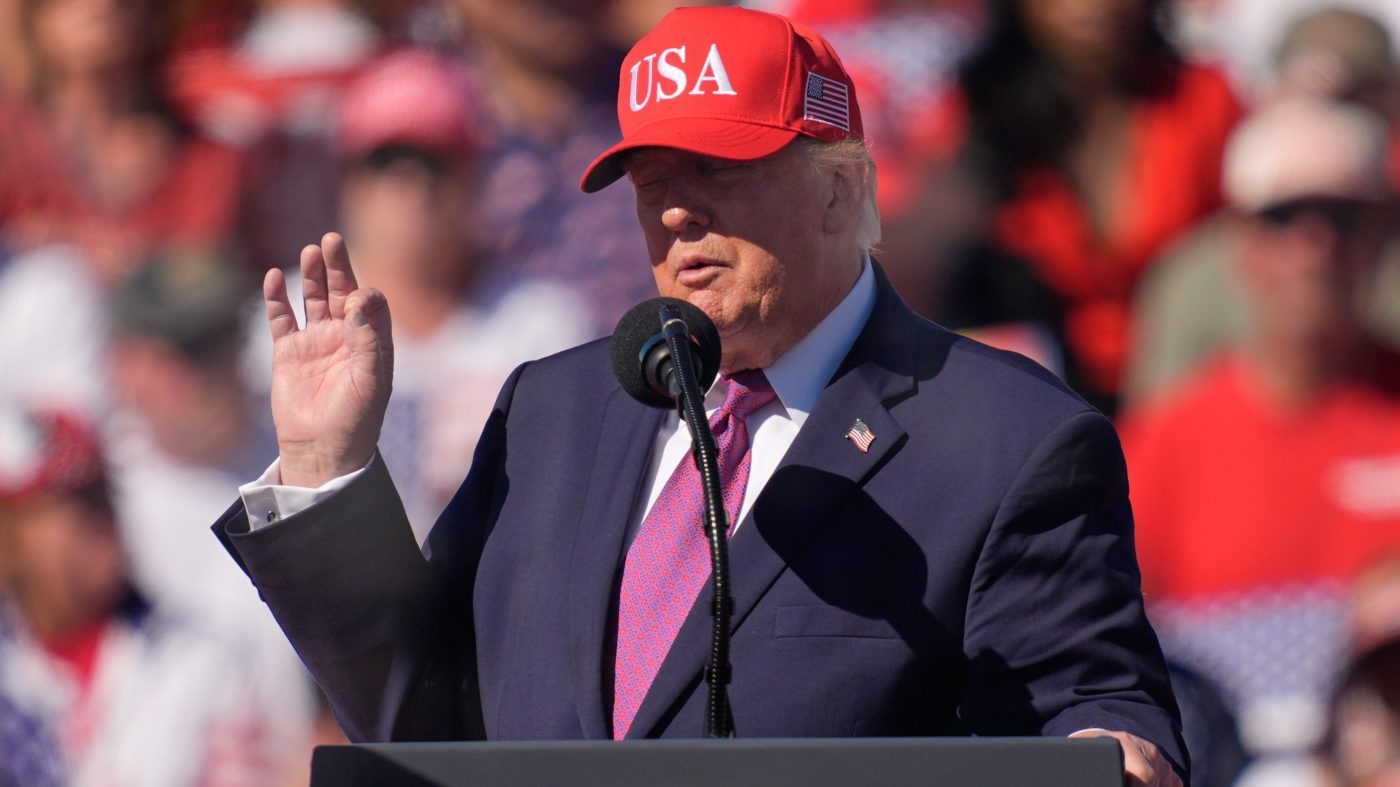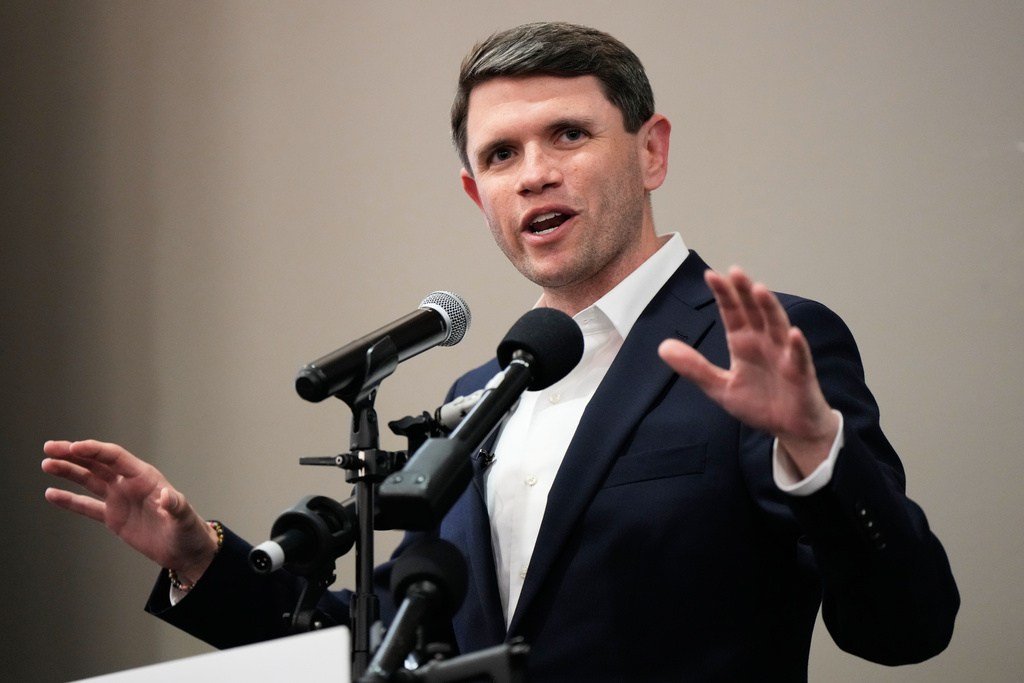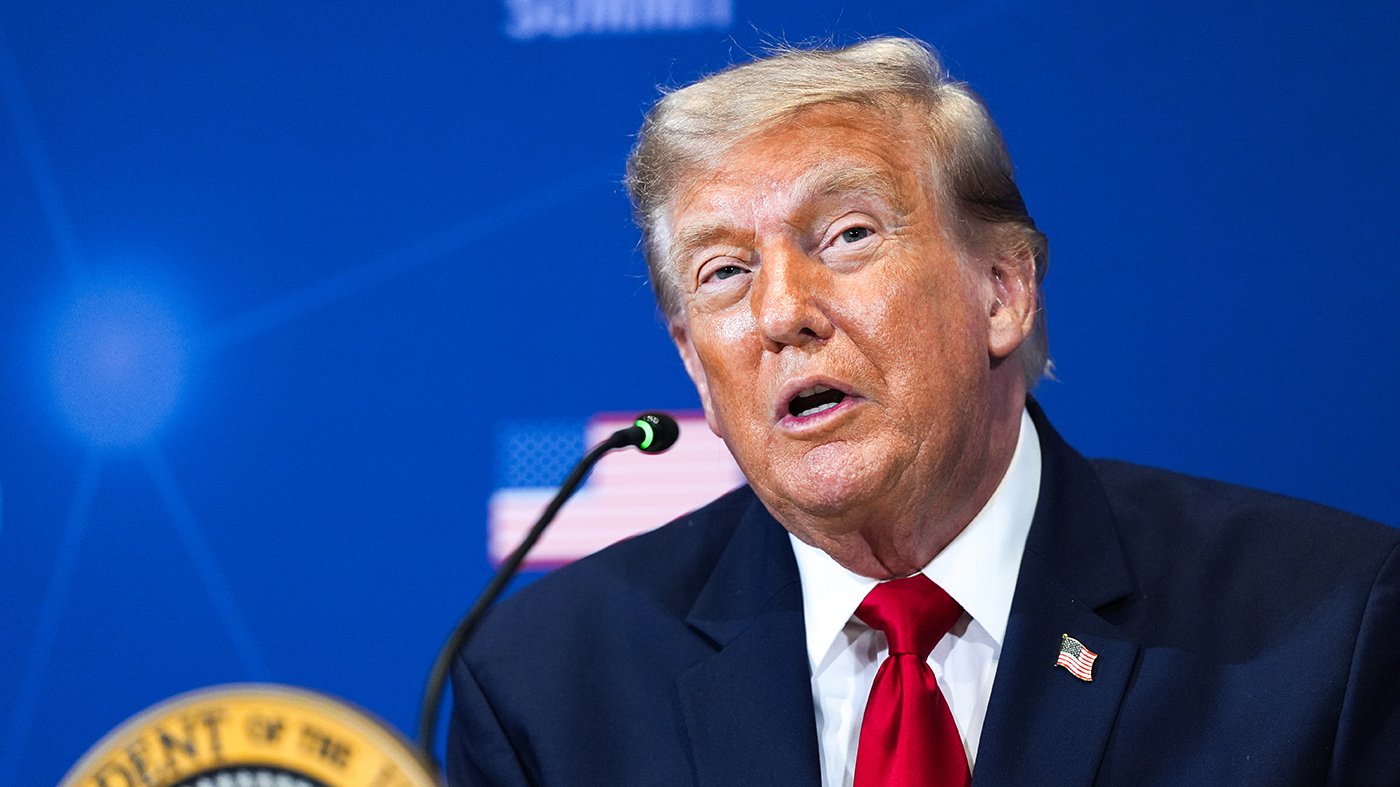
As President Trump gears up for a primetime address Thursday night, a growing number of Republicans on Capitol Hill are voicing concerns that his expected focus on the 2020 election could prove counterproductive. Trump has billed the 9 p.m. EDT speech as being “about elections” and promised “a big announcement,” but many in his party see little upside in revisiting a battle that cost them the White House and two Georgia Senate seats.
Senator Mike Rounds of South Dakota put it bluntly: “I am more interested in looking about four months ahead to the 2026 elections, rather than looking six years back to the 2020 election. So I think our focus has got to be on winning in 2026, both the House and the Senate.” That sentiment was echoed by Senator John Cornyn of Texas, who lost his primary to a Trump-endorsed challenger in June. “I think we should talk about 2026 and not 2020,” Cornyn told reporters.
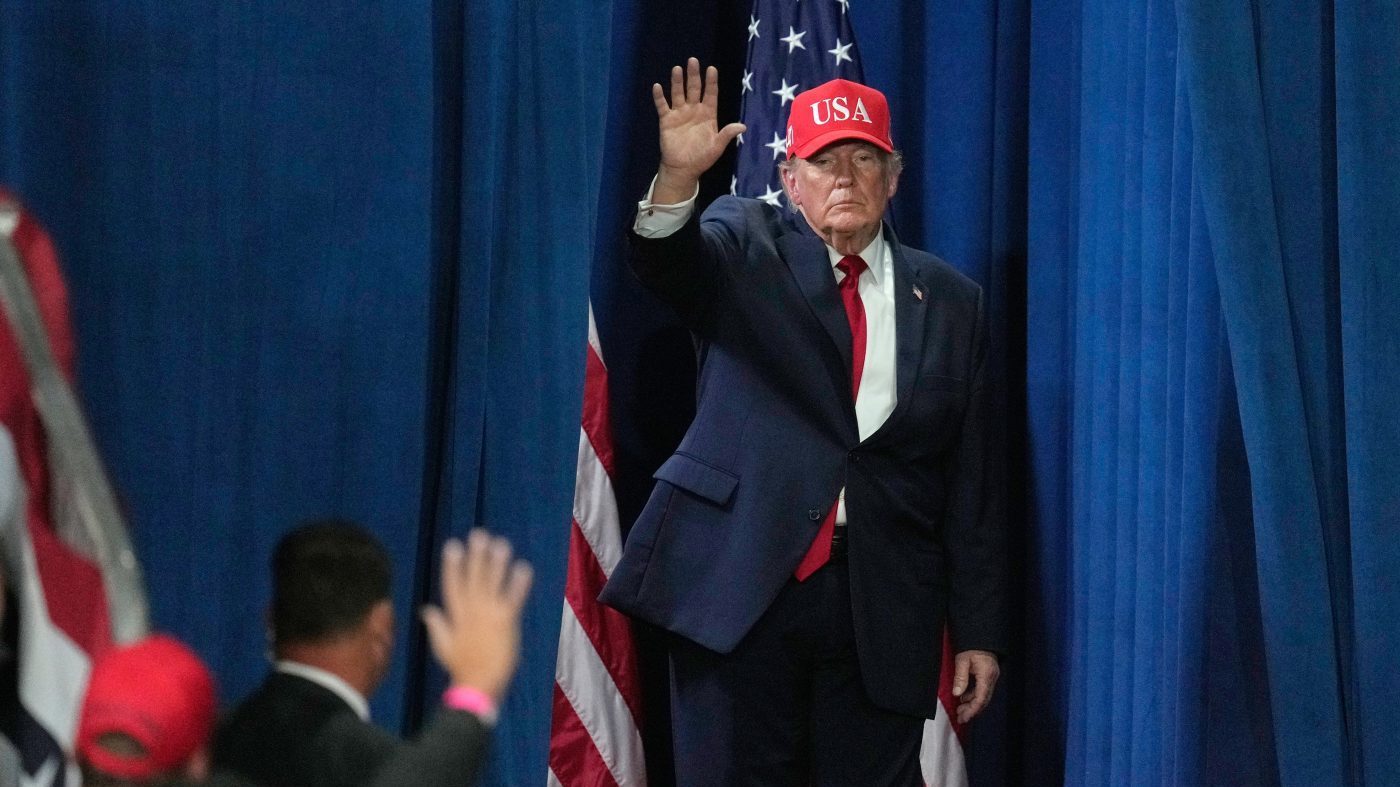
Representative Don Bacon of Nebraska warned that the strategy could backfire, noting that Trump’s past warnings against mail-in voting depressed GOP turnout in 2020. “The biggest reason we lost was because he inhibited mail-in balloting. He told Republicans don’t do it,” Bacon said. “It wasn’t fraud. The Democrats took advantage of it. We did not. The president said, ‘Don’t do it.’ And so I think it made a difference in three or four of those really tight elections,” including Georgia.
Even some Republicans who have clashed with Trump, like Representative Thomas Massie of Kentucky, argue the fixation undermines the party’s own successes. “The problem is we won every election. We won the House, we won the Senate, we won the White House. We’ve got a conservative majority in the Supreme Court. And we’re trying to convince people that the problem is we can’t win elections or the elections weren’t fair? I think that’s going to fall flat,” Massie said. “It may energize a small amount of the base, but it’s going to fall flat among the swing voters, and it’s not going to help in November to try to relitigate 2020.”
Mixed Signals from Trump Allies
Trump’s allies in Congress, while publicly supportive, have been careful not to endorse the speech’s content. Senator Josh Hawley of Missouri said, “Listen, the president doesn’t need any advice from me. I look forward to the speech. I have no idea what he’ll talk about,” though he speculated Trump might push his signature voter ID legislation, the Safeguard American Voter Eligibility (SAVE America) Act. But that bill faces resistance even from some Republicans, as Senator Thom Tillis has threatened to stall it, calling it “impossible to implement.”
Democrats are already preparing to use the speech to tie GOP candidates to Trump’s election denialism. Senator Jon Ossoff of Georgia, one of the two Democratic senators Trump has sought to delegitimize, called Trump “the world’s biggest sore loser.” Ossoff slammed the upcoming address as sour grapes and vowed to mount “an all-out effort to defend voting rights in the state of Georgia.” He added, “Here’s what I’m hearing in Georgia: these attacks on voting rights are galvanizing a defiant determination to show up to the polls like never before.”
Representative Kevin Kiley of California, who recently left the GOP after redistricting shifted his district, argued the party is misreading voter priorities. “I don’t think anyone’s eager to relitigate these past battles. I think folks want to focus on the future or present on the issues that are affecting people’s lives right now, which is principally the high cost of living in the country,” he said. “So I think there’s pretty widespread consensus that those would be the issues that are really worth focusing on.”
Broader Implications
Democrats on Thursday expressed alarm that Trump’s rhetoric could lay groundwork for interference in upcoming midterm elections. Representative Jim Himes of Connecticut, the top Democrat on the House Intelligence Committee, noted that a review under the first Trump administration found “there was absolutely no meddling in the mechanisms of the elections, right? No...” The president’s repeated claims of fraud, despite losing more than 60 court challenges, have led some analysts to warn that his election rigging campaign threatens democracy itself.
The timing of the address—amid an Iran escalation and a budget battle—has also raised eyebrows. The White House confirmed Trump will speak on election integrity even as these other crises demand attention. Press Secretary Karoline Leavitt has hinted that Trump will claim elections are unsafe, suggesting the speech will focus on unsubstantiated allegations rather than policy achievements.
For Republicans, the risk is clear: a speech that energizes only a third of the base could alienate swing voters and hand Democrats a powerful messaging tool. As one GOP strategist put it, “This is a distraction from the issues that actually matter to voters—inflation, border security, and the economy. Relitigating 2020 is a losing bet.”