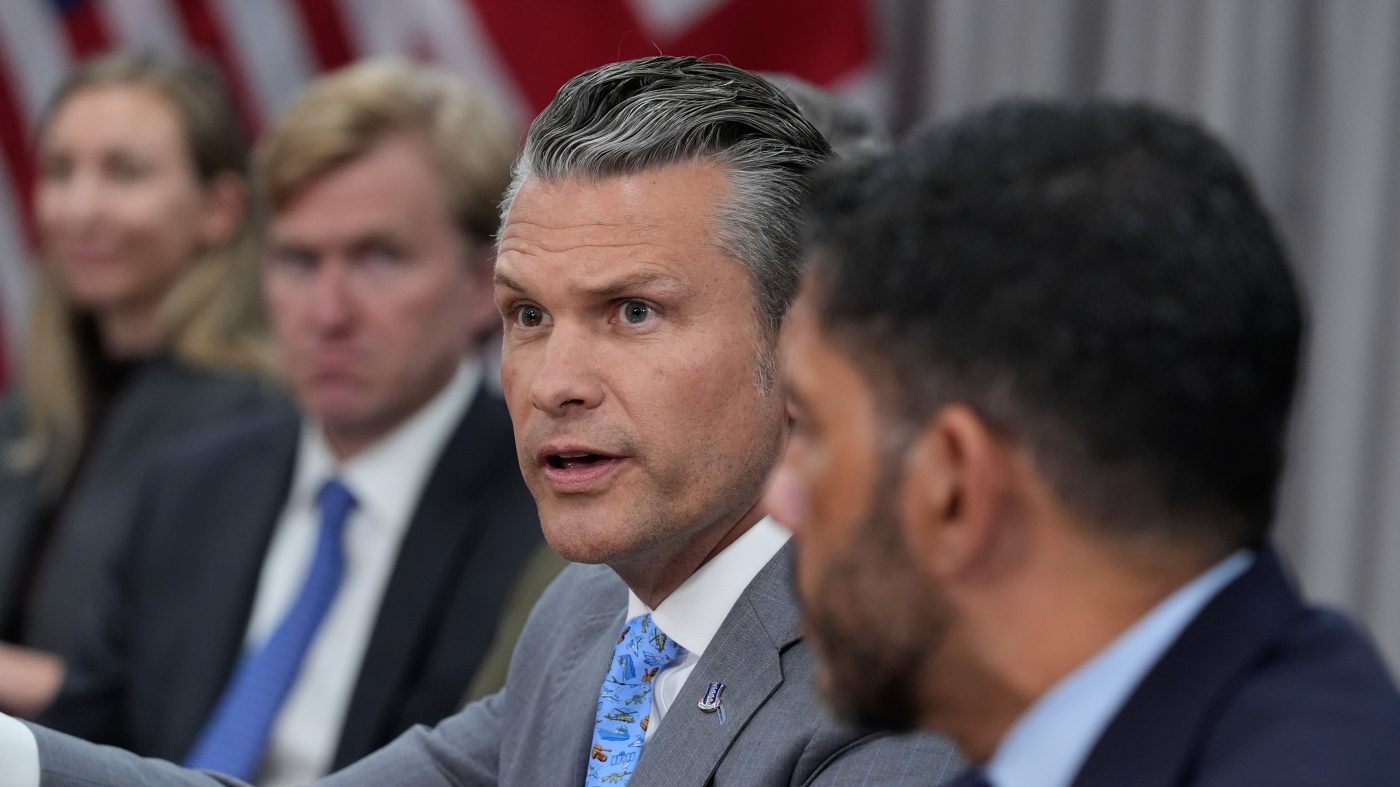
Russian President Vladimir Putin, facing mounting setbacks in Ukraine, has again resorted to nuclear saber-rattling. On Wednesday, his aide Nikolai Patrushev declared that Russia's naval nuclear forces are on full alert—a move that masks a deeper crisis of confidence in the Kremlin's military leadership.
Meanwhile, Ukrainian President Volodymyr Zelensky is pressing forward with what he calls a 40-day influence operation designed to force Moscow to end the war. His strategy, backed by Maj. Gen. Yevhen Khmara, involves a campaign of deep strikes inside Russian territory—dubbed by Kyiv as a long-range and mid-range sanctions plan—that is systematically targeting Russia's ability to fund and sustain its invasion.
The economic toll on Russia's elite is mounting. For the first time in a generation, wealthy Muscovites and St. Petersburg residents are feeling real hardship, as social media videos capture their frustration. In the so-called Magyar Triangle—spanning occupied southern Ukraine, Crimea, and the Sea of Azov—Ukraine's drone warfare is relentless.
Ukraine's 414th Separate Brigade Unmanned Systems Forces, led by Maj. Robert Brovdi, is making Crimea untenable for Russian forces. “We are creating conditions that make their presence there untenable, without losing a single Ukrainian soldier's life,” Brovdi said. “We're doing this entirely remotely.” His unit has hit 105 vessels between July 6 and July 13, forcing Russia to close maritime routes and choke off resupply to the peninsula.
Brovdi's campaign targets logistics—tankers circumventing sanctions, ferries moving troops and ammunition, and dry cargo ships supplying ground forces. He is also striking nine power substations across Crimea and the energy bridge linking the peninsula to Russia's grid, crippling its electrical infrastructure. The Kerch Strait Bridge remains his ultimate objective; he is systematically destroying air defense assets protecting it, including an S-400 launcher and Tor system.
“We're cutting off the access routes—not the exit routes,” Brovdi stated. “Let them get out through it. Let those millions leave through that little bridge back to their Russia.”
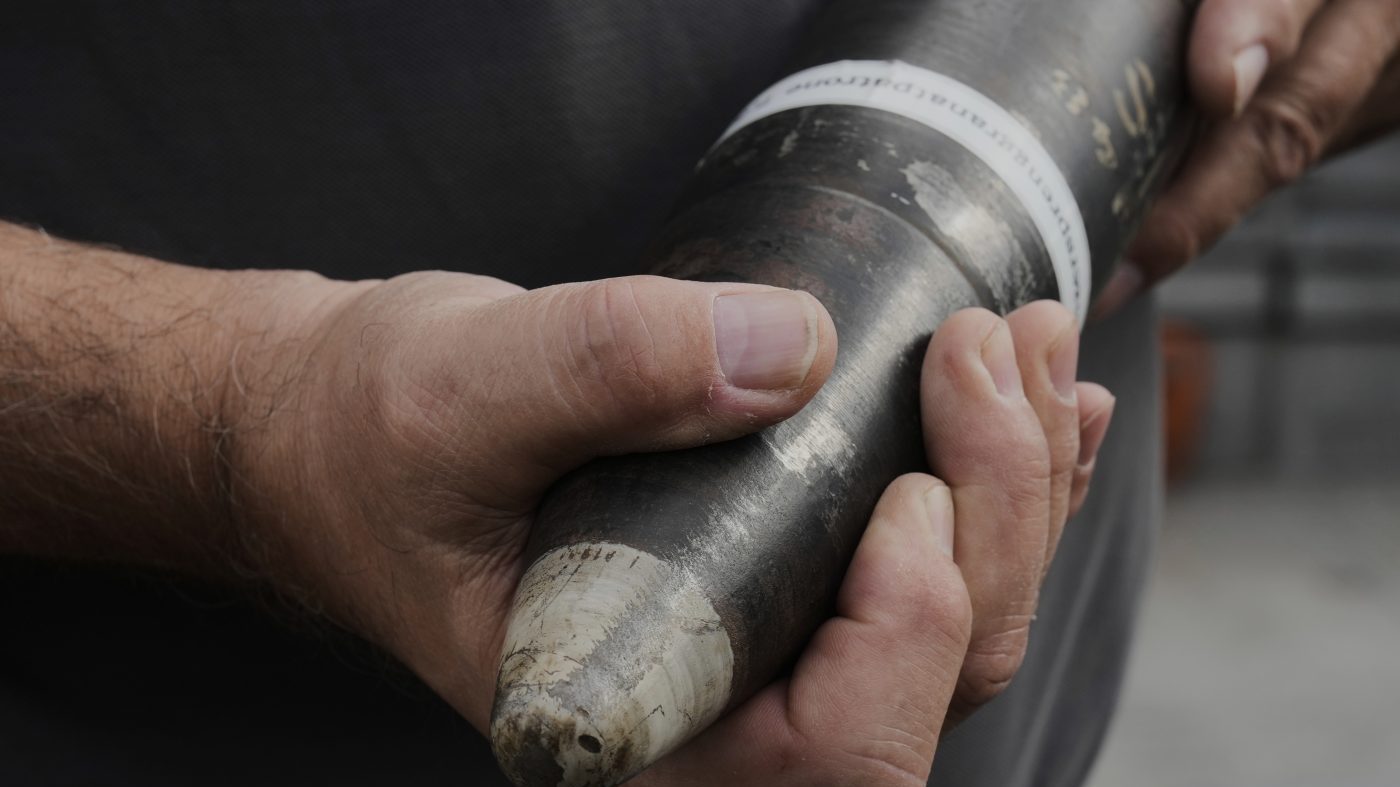
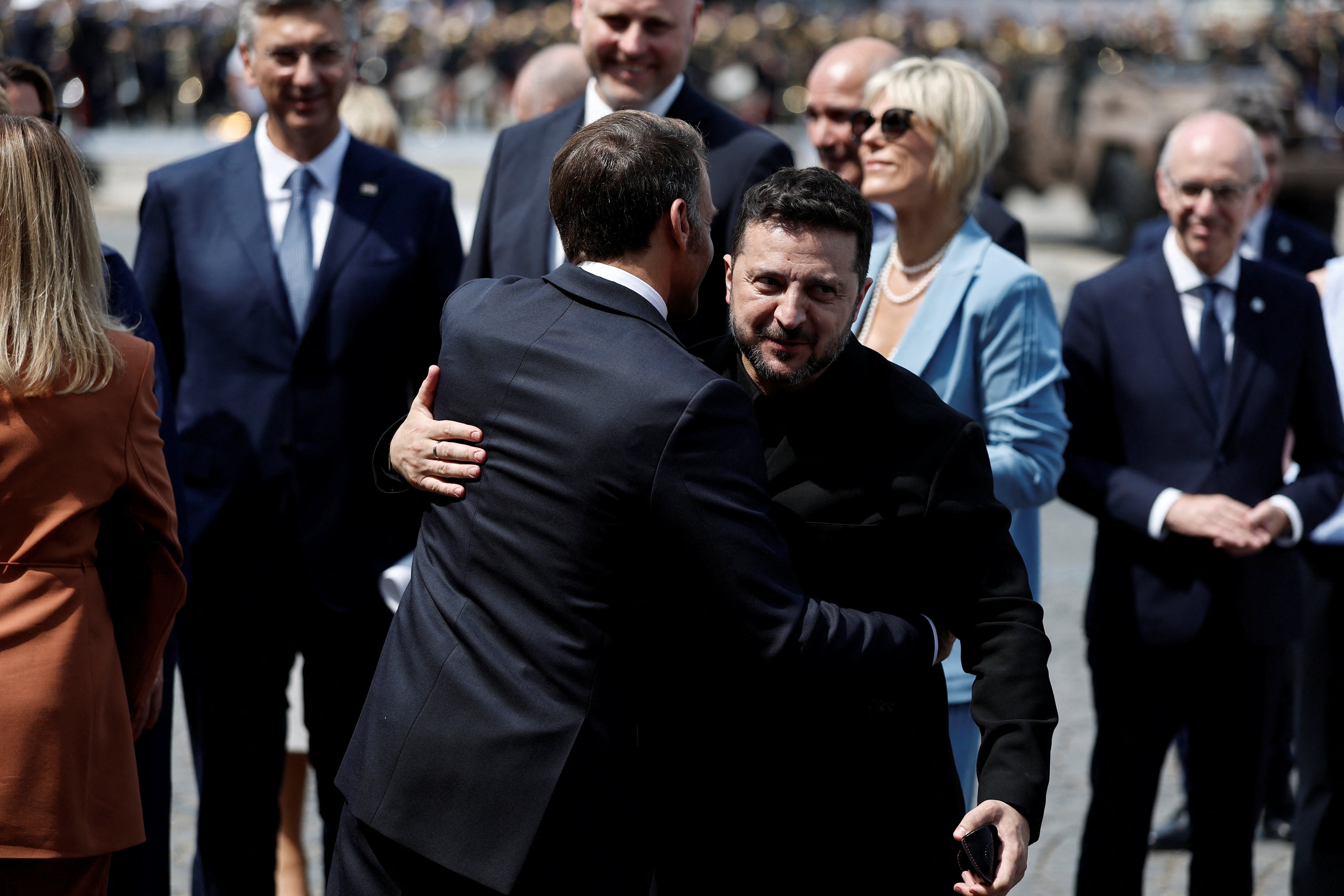
Ukraine's growing domestic production of cruise missiles and drones has shifted the war's trajectory, enabling strikes deep into Russian territory. At last week's NATO summit, President Trump pledged a license for Ukraine to manufacture Patriot interceptor missiles, while French President Emmanuel Macron authorized production of French-designed cruise missiles, glide bombs, and air defense interceptors. France will also transfer radar systems and 16 fighter jets by 2028.
On Monday, Ukraine and nine European nations agreed to establish an anti-ballistic missile coalition to bolster Europe's defenses and support Kyiv's Freya air defense project.
Equally significant, Trump voiced support for the Sanctioning Russia Act of 2026, drafted by the late Sen. Lindsey Graham (R-S.C.), which would authorize secondary sanctions on countries buying Russian oil, gas, or uranium. The walls are tightening around Putin, but he remains defiant. The question now is how much longer Russia's elite will tolerate the inconveniences Zelensky is imposing.