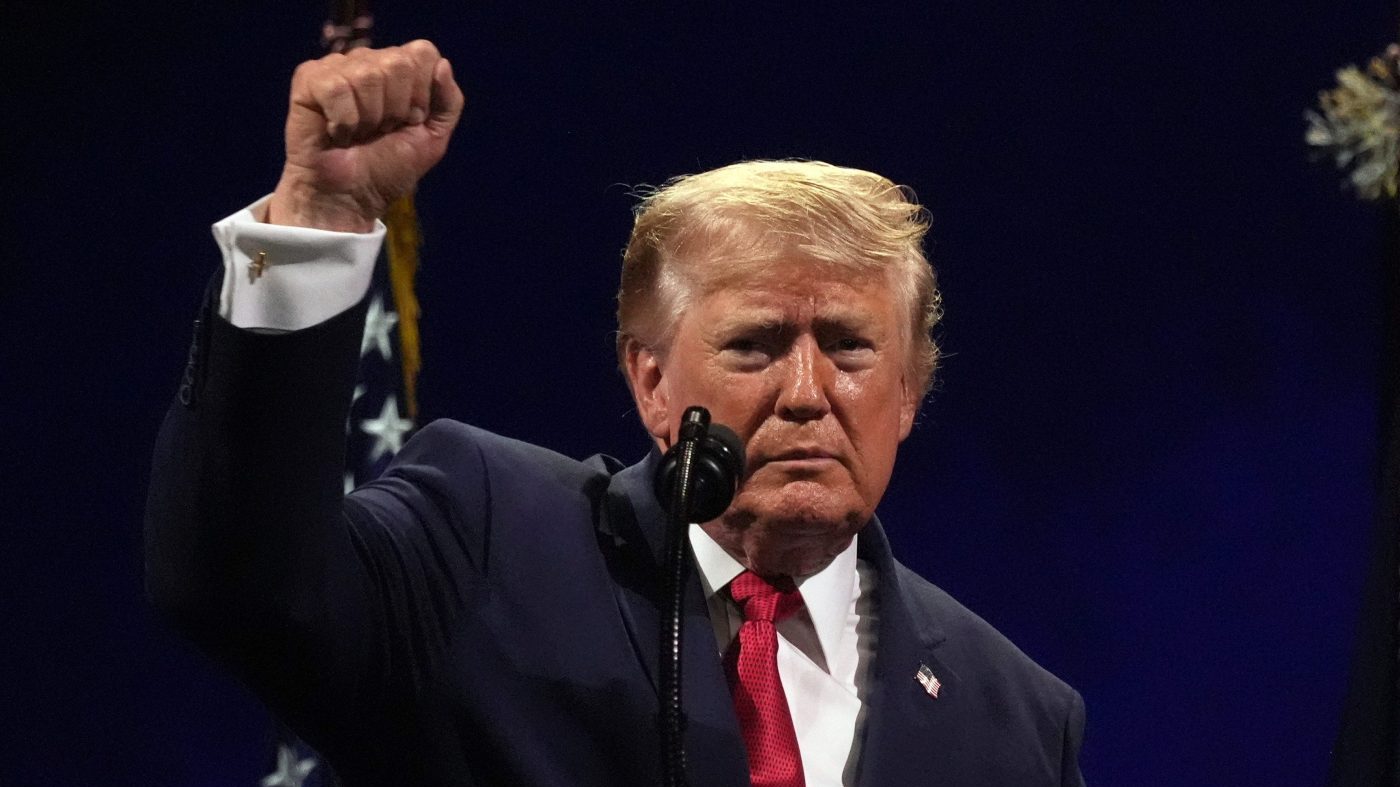
President Trump is set to deliver a primetime address Thursday evening, but the speech arrives as a cascade of political problems threatens to overwhelm his agenda. From an unpopular renewed military campaign in Iran to domestic controversies involving immigration enforcement and a stinging court ruling, the president faces a challenging moment that could define the remainder of his term.
The conflict with Iran, which Trump restarted after a brief ceasefire, remains deeply unpopular. A new Economist/YouGov poll finds 65 percent of Americans want an immediate deal to end hostilities, while 57 percent believe the initial decision to go to war was a mistake. The administration recently notified Congress that hostilities have resumed, triggering a 60-day clock before the president must seek explicit legislative approval for continued use of force. Trump has justified the move by accusing Tehran of breaking previous agreements, telling Fox News, “They want to make a deal, but every time they make a deal, they break it.” However, critics question whether renewed military action can extract more concessions than the memorandum of understanding signed last month, which already drew fire from hawkish Republicans who deemed it too lenient.
At home, the president is grappling with fallout from two fatal incidents involving Immigration and Customs Enforcement (ICE) officers. In the span of six days, agents killed Joan Sebastian Guerrero in Biddeford, Maine, and Lorenzo Salgado Araujo in Houston during traffic stops. The deaths have reignited fierce debate over the agency’s conduct and Trump’s broader immigration policies. On Wednesday, Trump appeared to overrule an order for ICE to pause most traffic stops, posting on social media that the agency should continue its enforcement operations.
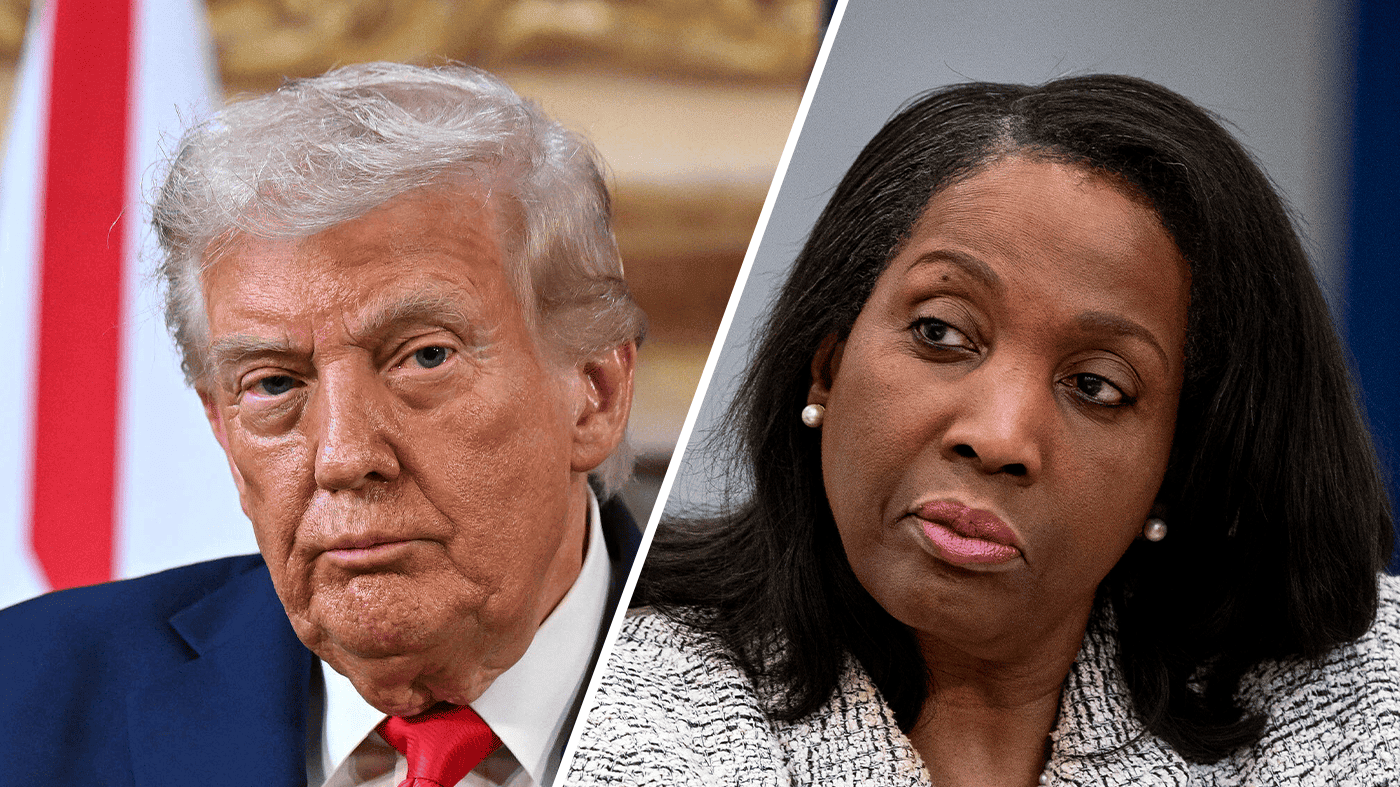
Legal troubles are also mounting. A federal judge this week issued a blistering ruling in Trump’s case against the IRS and Treasury Department, essentially accusing the president and his allies of self-dealing. Meanwhile, acting Attorney General Todd Blanche faced sharp questioning from senators during his confirmation hearing on Wednesday, with lawmakers pressing him on his ties to Trump and potential conflicts of interest. Blanche stumbled repeatedly in defending his record, raising doubts about his confirmation prospects.
Trump’s approval ratings remain mired in negative territory. Despite his recent social media claim of a “59% Approval Rating,” the polling average compiled by data analyst Nate Silver shows 57 percent of Americans disapproving of his job performance, compared to just 40 percent who approve. The disconnect between Trump’s boasts and reality underscores the political headwinds he faces as he prepares to address the nation.
Adding to the uncertainty, Trump has hinted that his speech will focus on alleged fraud in the 2020 election, calling it “really, really big news” and declaring that “without free and fair elections, you don’t have a country.” His history of making false claims about the election has prompted calls from Democrats, including Representative Alexandria Ocasio-Cortez, for television networks to refuse airing the address. “I don’t think that we should be contributing to any platforming of lies about our election,” Ocasio-Cortez told a reporter, arguing that media outlets have an “ethical obligation” not to undermine democratic processes. Ocasio-Cortez’s warning highlights the deepening partisan divide over the president’s messaging.
Some Trump allies downplay the idea that he will focus solely on election fraud, noting that he told reporters the address will cover “a couple of other things.” Still, the Iran situation is expected to loom large, whether directly addressed or not. The speech offers Trump a chance to use the bully pulpit to reframe the conflict and bolster his party’s chances in the midterms. Republican strategist Doug Heye noted that voters’ top concerns remain economic, but a strong address could help Trump regain momentum.
Yet the impact of presidential speeches has diminished in an era of constant communication. Trump’s daily social media posts and impromptu remarks during White House events mean that a formal address often feels like a rerun. Tobe Berkovitz, a Boston University professor emeritus specializing in political communications, observed, “The difference between him popping out on Air Force One to talk to reporters or popping out to deliver a major address is irrelevant to most people. It’s just Trump speaking.” Moreover, Trump’s meandering style risks backfiring, as it did during his April address on Iran, which drew mixed reviews for lacking new substance.
Immigration remains a potential flashpoint. Trump’s intervention to continue ICE traffic stops, despite the recent fatalities, could ignite further controversy during the speech. With the Hill Nation Summit highlighting ICE’s role in the broader political debate, the president’s remarks on enforcement will be closely watched.