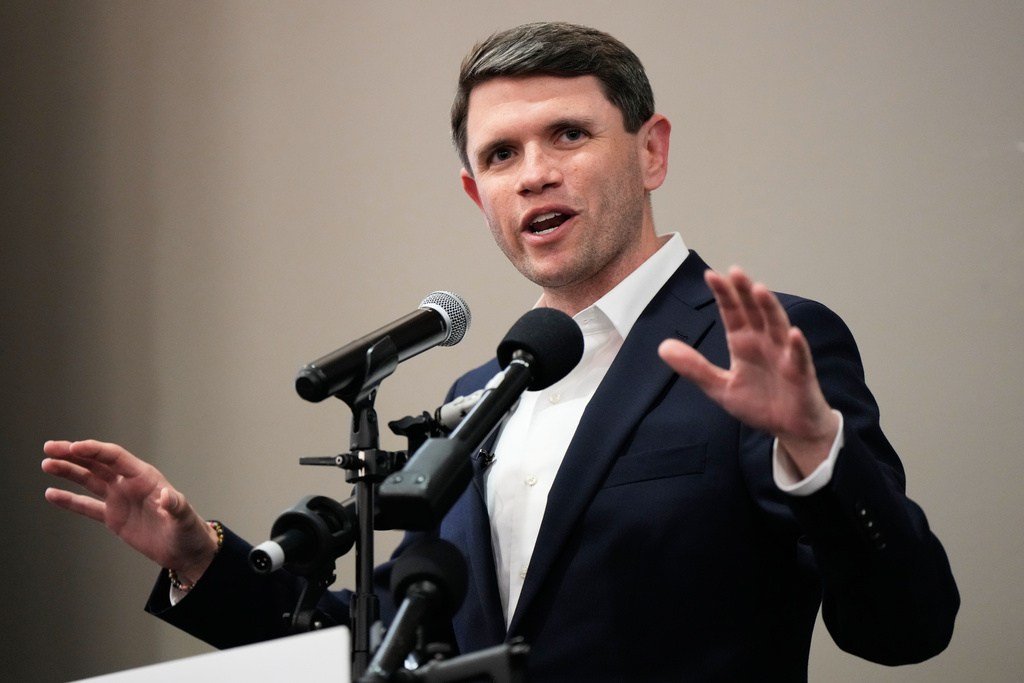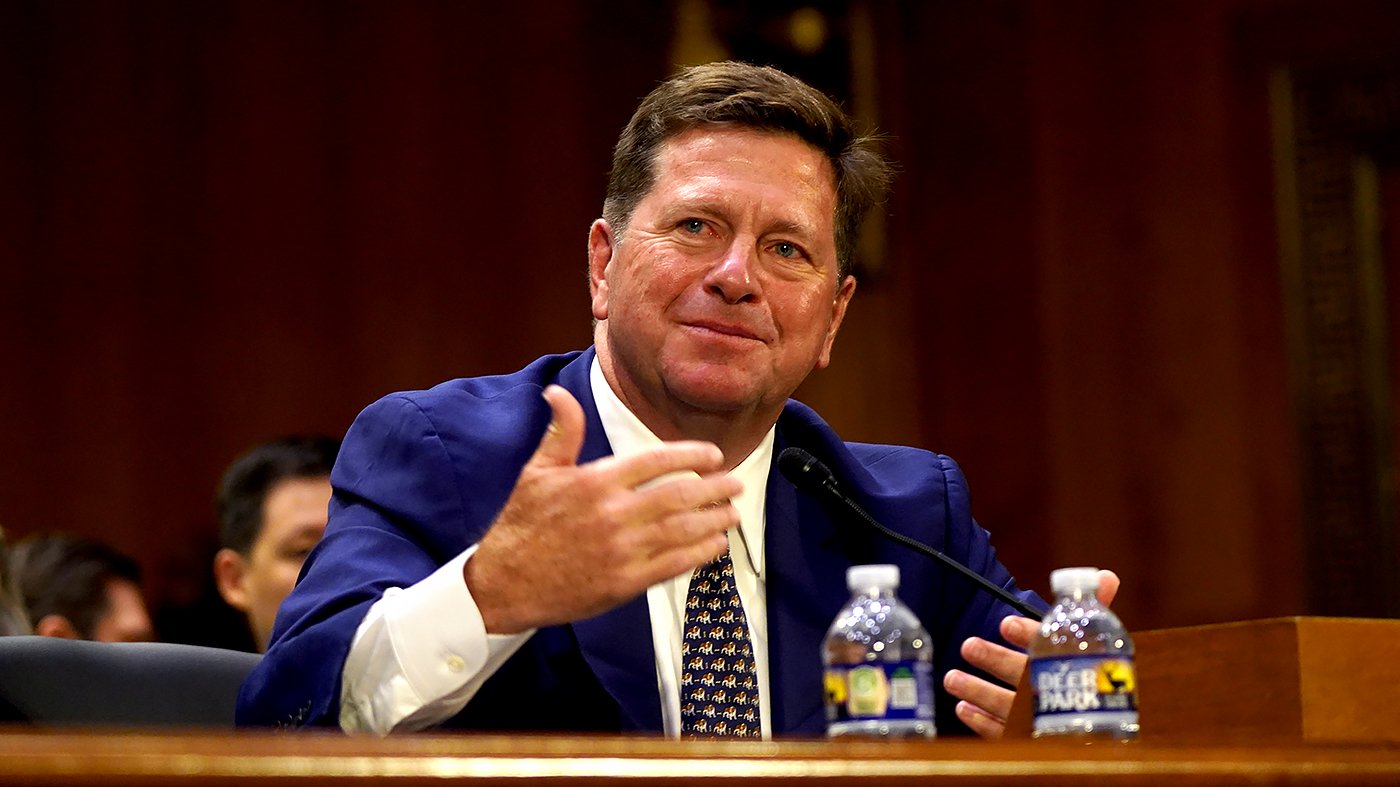
Senator Jon Ossoff (D-Ga.), the most vulnerable Democratic incumbent in the Senate this cycle, turned up the heat on Jay Clayton, President Trump's pick to lead the Office of the Director of National Intelligence, over the nominee's refusal to acknowledge Joe Biden's victory in the 2020 election. The exchange, which unfolded Wednesday during Clayton's confirmation hearing before the Senate Intelligence Committee, highlighted the ongoing political fault line over election integrity that the Trump administration continues to exploit.
Clayton, a former U.S. Attorney for the Southern District of New York and ex-chair of the Securities and Exchange Commission, faced a barrage of questions from Democratic senators about the 2020 results. Earlier in the hearing, Senator Mark Warner (D-Va.), the committee's vice chairman, had pressed Clayton on whether he was an “election denier.” Clayton replied, “I’m not an election denier,” and noted that Biden “was certified” as president and “went through our electoral process.” Yet when pressed to say flatly that Biden won, Clayton repeatedly dodged.
Ossoff, who represents a state that was ground zero for Trump's election challenges, took the lead in the confrontation. “Who won the 2020 election?” Ossoff demanded. Clayton shot back, “I’m not going to do this with you.” The back-and-forth continued as Ossoff urged Clayton to “be honest and forthright,” while Clayton dismissed the line of questioning as “theater.”
“You refuse to answer a basic question about who won a presidential election, but you ask to lead America’s intelligence community,” Ossoff said. “Isn’t it humiliating to be unable to answer this question, to have to indulge the president’s delusions?”
The Georgia Democrat also pressed Clayton on the involvement of former Director of National Intelligence Tulsi Gabbard in FBI raids on election offices in Fulton County, Georgia, earlier this year. Ossoff noted that the intelligence committee is “probing” Gabbard’s role in those raids, which she testified were “requested by the president.” Clayton said he was unaware of that detail until Ossoff raised it.
Ossoff then asked whether Clayton would ever comply with a White House directive to involve the intelligence community in domestic election investigations, as Gabbard did. “If the White House chief of staff or the president asks you to travel somewhere across the United States and oversee the execution of a domestic search warrant on a sensitive election facility, will you do it? Is that appropriate for the director of national intelligence?” Ossoff asked. Clayton called it a “hypothetical,” to which Ossoff retorted, “We all know it’s not.”
The hearing underscored the high stakes for Ossoff, who has already stockpiled a massive campaign war chest as Republicans target his seat. In a related development, Ossoff raised $20 million in the second quarter and now holds $42 million in cash, positioning him for what is expected to be one of the most expensive Senate races in the country.
Clayton’s evasions drew sharp criticism from Democrats, who argued that a nominee for the nation’s top intelligence post must be able to state basic facts about democratic processes. The exchange also echoed broader tensions over Trump's continued insistence that the 2020 election was stolen, a claim that has been repeatedly debunked by courts and election officials. Earlier this week, Representative Alexandria Ocasio-Cortez warned media outlets against amplifying Trump's election falsehoods, highlighting the ongoing battle over public perception of the election's legitimacy.
As the hearing adjourned, Clayton’s nomination remained in limbo, with Democrats signaling they would continue to press for answers on his views about election integrity and his willingness to resist political pressure from the White House.