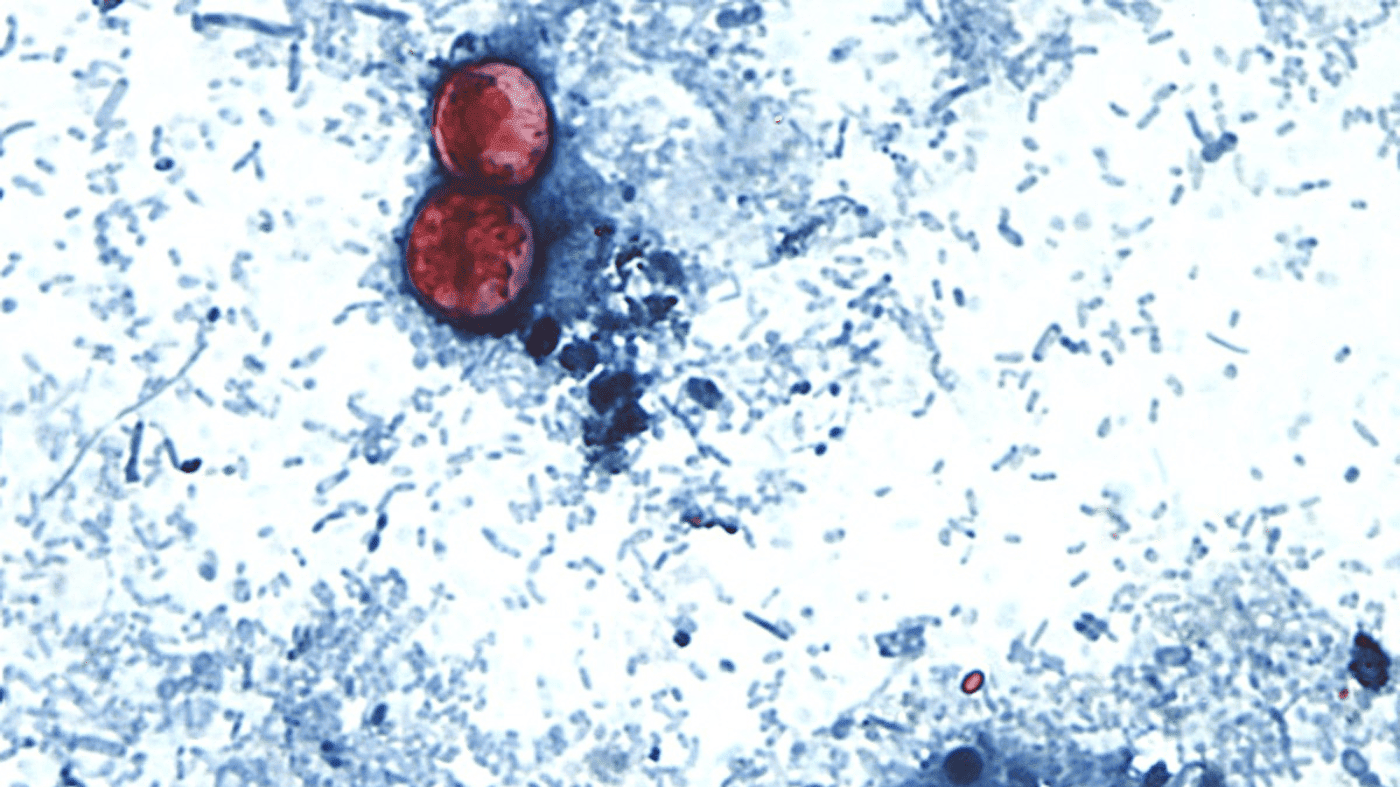
The Centers for Disease Control and Prevention (CDC) is investigating a major foodborne illness outbreak, with nearly 7,000 possible cases of cyclosporiasis reported across the country. The parasitic infection, which can cause weeks of intestinal distress and diarrhea, has already been laboratory-confirmed in 1,645 patients, with an additional 5,100 cases under scrutiny—a number far exceeding typical seasonal patterns.
Outbreak Scale and Severity
Federal health officials say the current caseload is dramatically higher than normal. By comparison, fewer than 250 cases had been reported at this time last year. While no deaths have been linked to the outbreak, 141 people have been hospitalized. The CDC has identified cases in 34 states, with Michigan bearing the brunt of the infections. A cluster of more than 400 cases in Michigan, Ohio, West Virginia, and Kentucky has prompted a targeted outbreak investigation, as these cases appear epidemiologically linked, suggesting a common source.

Produce Under Suspicion
The parasite Cyclospora cayetanensis typically contaminates fresh produce, but officials have yet to pinpoint a specific type or supplier. Michigan authorities tentatively identified lettuce or salad greens as a potential source earlier this week. The Washington Post reported that Taco Bell is under investigation, and the chain has voluntarily removed some ingredients from select locations. However, during a press call Tuesday, the Food and Drug Administration’s acting deputy commissioner for food, Don Prater, declined to name any national supplier, distributor, or restaurant chain. “What I can say at this point is that we’re continuing our traceback investigation on multiple produce items, including the lettuce,” Prater stated.
Underreporting and Surveillance Gaps
Health officials caution that the true number of infections is almost certainly higher, as many people with mild symptoms recover without seeking medical care and are never tested. Additionally, symptoms can appear up to two weeks after exposure, complicating efforts to link cases to the outbreak. The CDC stopped routinely reporting cyclospora data through its FoodNet program last July, but officials insist that change has not affected the current investigation. “FoodNet is a robust program where the goal is really to look at trends over time to inform our policy and prevention activities,” said Gwen Biggerstaff, deputy director of the CDC’s Division of Foodborne, Waterborne, and Environmental Diseases. She noted that FoodNet is not designed for real-time outbreak detection and includes only 10 participating sites—none in Michigan. “So it doesn’t really give us the same kind of data that we have from national surveillance,” Biggerstaff added.
The outbreak underscores ongoing challenges in tracking foodborne illnesses, especially as testing lags behind infection rates. With cases now reported in 34 states and the Midwest hit hardest, the CDC is urging clinicians to test patients with prolonged diarrhea for cyclospora. For now, the investigation continues, and consumers are advised to wash produce thoroughly and be aware of symptoms.