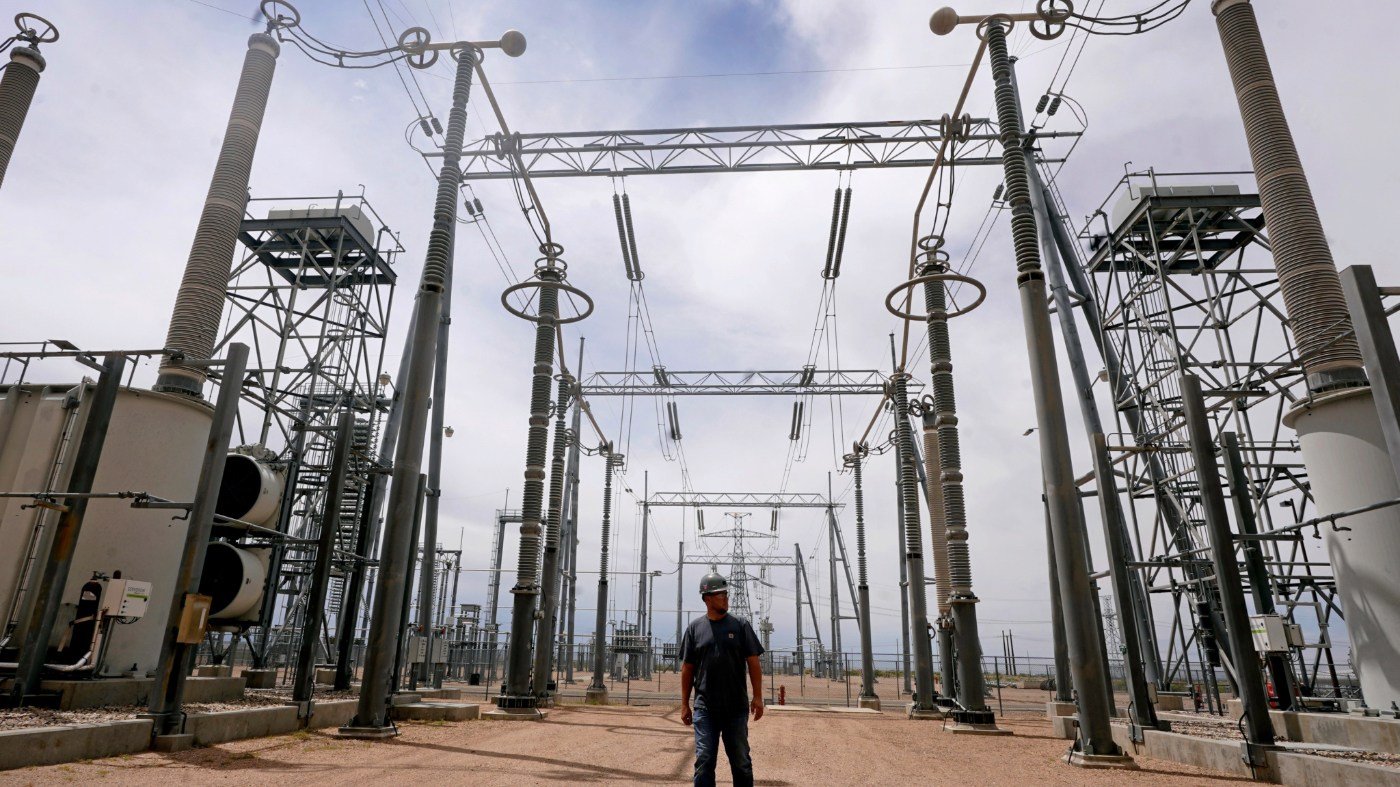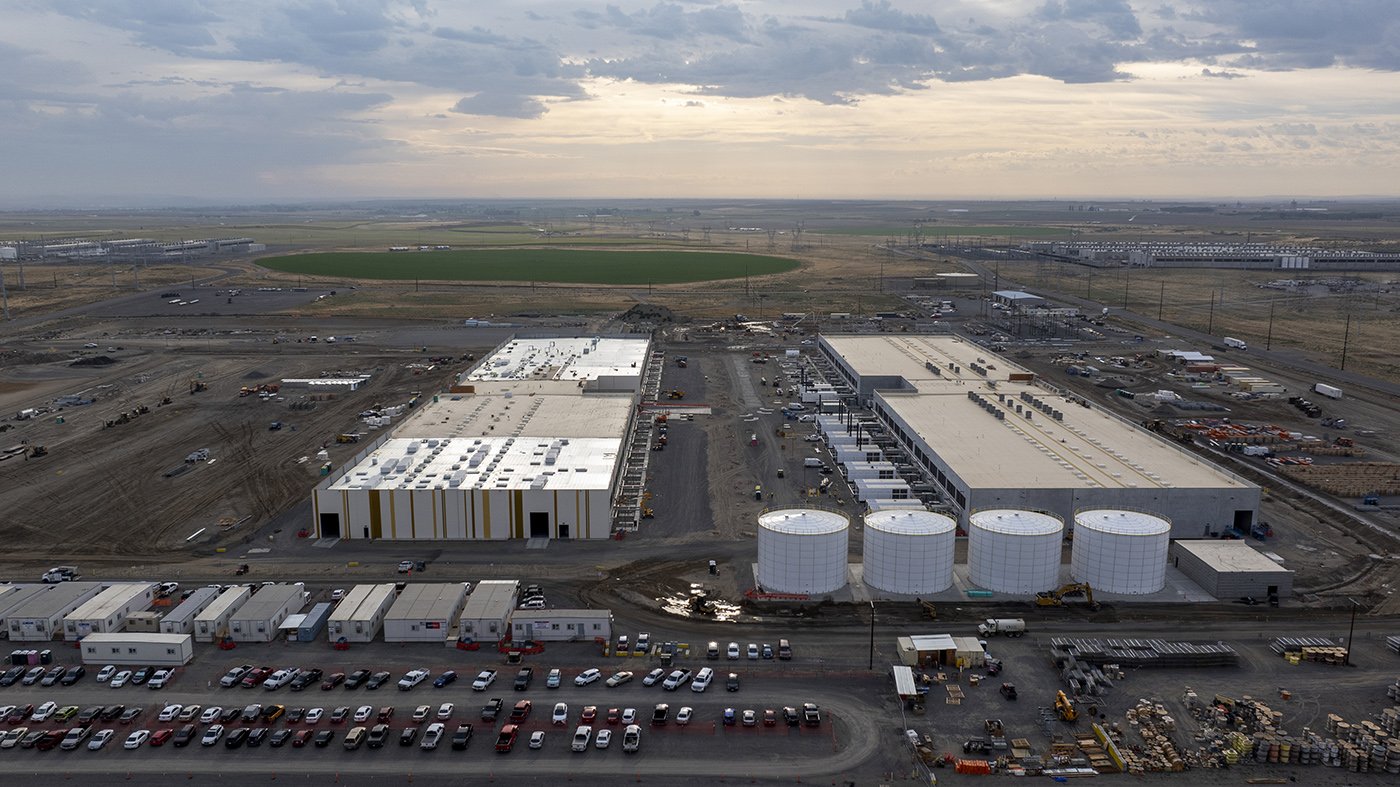
The latest capacity auction by PJM Interconnection, the grid operator serving 67 million people across 13 states and Washington, D.C., has laid bare the soaring cost of data center electricity demand. According to the independent market monitor Monitoring Analytics, data centers will account for roughly $6.3 billion of the $16.4 billion in total capacity market charges from the auction covering June 2028 through May 2029.
Over the last four PJM auctions, data center-driven demand has added a staggering $29.4 billion in electricity costs, the monitor reported. This has intensified a debate about whether the current market structure unfairly saddles residential and small-business customers with costs driven by a handful of tech giants.

Market Monitor Calls for Structural Reform
Joseph Bowring, president of Monitoring Analytics, argued in an email that data center load should be removed from the general capacity market and handled through a dedicated auction. “This would permit the data centers to have access to capacity through a market mechanism and ensure that data centers pay for their own capacity and do not impose capacity costs on other customers,” he said. The proposal echoes concerns raised by consumer advocates and environmental groups that the current system lacks safeguards against rapid, unplanned load growth.
Clara Summers, campaign manager at Consumers for a Better Grid, described the situation as “obscene,” noting that “the market wasn’t prepared to handle” the explosive growth in data center demand. Because the auction price was similar to recent ones, she warned that “consumers can expect their bills to be elevated for the foreseeable future at about the same amount.”
No Near-Term Relief in Sight
Julia Kortrey, director of strategic initiatives at Evergreen Action, said prices are “pretty baked in” and that “we probably won’t see relief from anything that PJM can do to make it better at this point until the 2030s.” The grid operator acknowledged it failed to procure enough power to meet its reliability goal for the second consecutive auction, a shortfall it plans to address by asking federal regulators to approve a special “Backstop Procurement.”
PJM President and CEO David Mills said in a statement that “demand for electricity continues to grow faster than electricity supply,” and that the operator is “working with government and industry leaders on multiple fronts to restore that balance by bringing on new generation as fast as possible and managing the growth of new load on the grid.” While the statement did not explicitly mention data centers, PJM has previously identified them as the fastest-growing driver of power demand.
The auction results come amid broader political scrutiny of data center expansion. New York Governor Kathy Hochul recently imposed a one-year freeze on large AI data centers, citing accountability gaps, a move that drew sharp criticism from former President Donald Trump. The tension between economic development and grid reliability is also playing out in PJM’s footprint, which includes states like Virginia and Ohio that have become hubs for massive data center campuses.
As PJM prepares to hold its backstop procurement, consumer advocates and market monitors are pressing for structural changes to prevent data center costs from continuing to cascade onto ordinary ratepayers. Without such reforms, the $6.3 billion price tag from this auction may be just the beginning of a long-term upward trend in electricity bills across the region.