As the cyclospora outbreak continues to spread across the United States, with cases now exceeding 1,600, consumers are increasingly worried about the safety of fresh produce. The parasite, which can cause severe gastrointestinal distress including explosive diarrhea, has been linked to fruits and vegetables like berries, lettuce, and herbs. While health officials have not yet pinpointed the exact source of the current outbreak, past incidents have implicated a range of produce items.
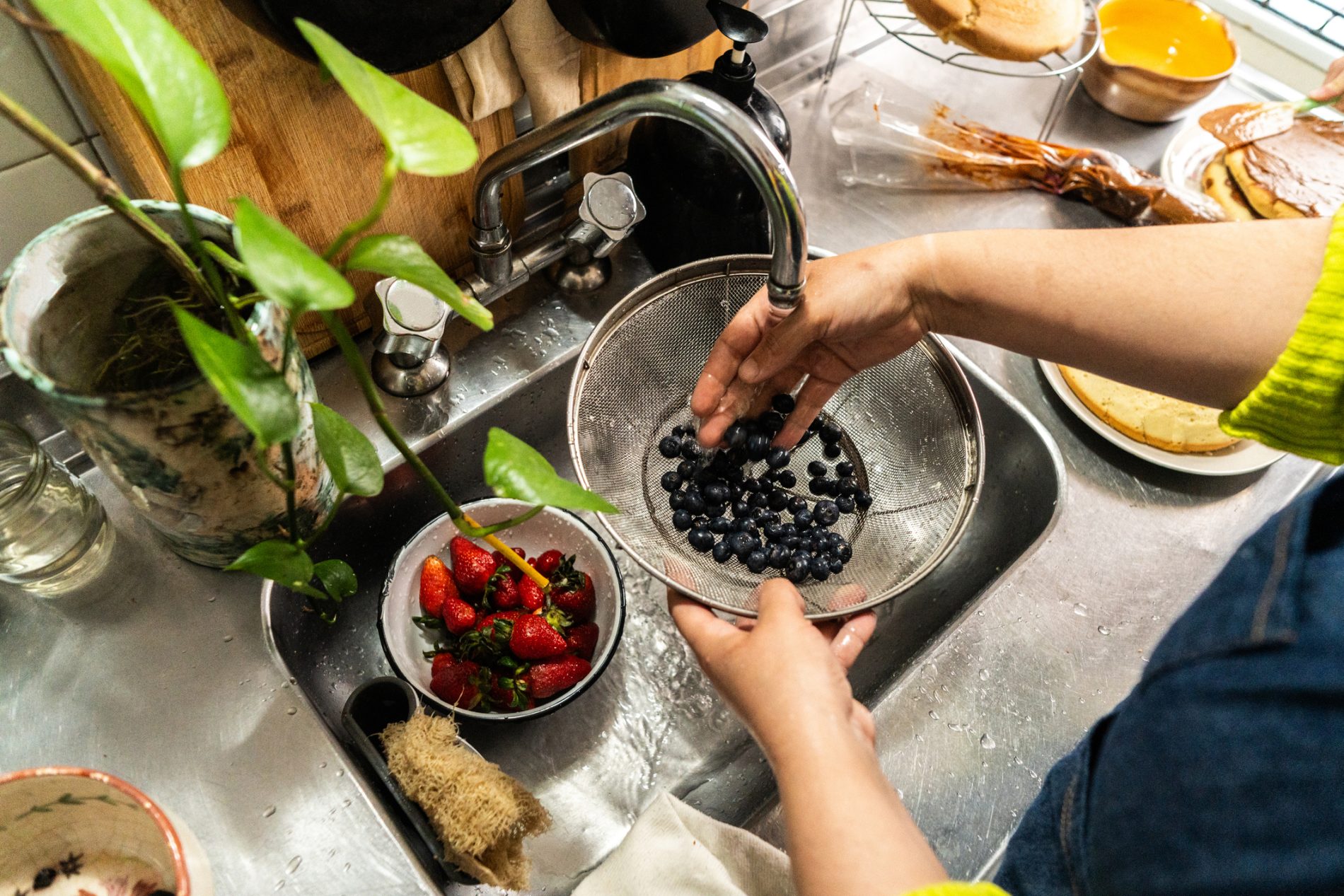
Amid this uncertainty, many are turning to home remedies like vinegar washes to clean their fruits and vegetables. However, the evidence on vinegar's effectiveness is mixed. A 2021 study examined three washing methods for berries: rinsing with cold water, using a salad spinner, and a vinegar solution followed by a cold water rinse. For blueberries, all methods performed similarly, with cold water alone removing about 96% of cyclospora. But for raspberries, the results were starkly different: rinsing with water removed only 35% of the parasite, while vinegar and salad spinner methods achieved 84% to 89% removal. Researchers suggested that raspberries' bumpy, hairy surfaces may allow parasites to cling more tightly.

The study's authors noted that it remains unclear whether the vinegar itself or the manual agitation during washing was responsible for the improved results. “It is not clear whether the difference was due to the vinegar solution per se or due to the manual agitation,” they wrote. The study did not examine lettuce or salad greens, which are suspected in the current outbreak in Michigan, where cases have surged to nearly 1,000.
Dr. Amira Roess, a professor of global health and epidemiology at George Mason University, advises that most people can reduce their risk by thoroughly washing produce. “Most of us should be fine washing our fruits and vegetables thoroughly and proceeding as usual,” she said. For those with weakened immune systems, she recommends extra precautions, such as sticking to produce that can be peeled or cooked.
Health officials emphasize that hand washing with soap and water is critical, as hand sanitizer does not kill cyclospora. Dr. Erika Noel, a pediatrician and assistant professor at the University of Hawaii, recommends separating leaves of herbs like cilantro and basil before washing, and for green onions, cutting off roots, removing outer layers, and rubbing the surface under running water. Peeling fruits and vegetables whenever possible also reduces risk, and cooking produce to an internal temperature of 158°F can kill the parasite.
The outbreak has hit Michigan and New York hardest, but cases are rising in at least 34 states. The CDC is investigating the source, and officials expect case numbers to climb as testing expands. Despite the surge, the overall risk of infection remains low for most consumers.