Democrats are heading into November with a strong chance of flipping both chambers of Congress, but the math suggests their majorities will be razor-thin. That narrow margin could hand extraordinary leverage to the party's most left-wing members, a dynamic that Democratic leaders are already bracing for.
In the House, Democrats need a net gain of just three seats to reclaim the majority; in the Senate, four seats would flip control. Historical averages from second-term midterms—1986 through 2022—show the president's party typically loses 11 House seats and six Senate seats. Even using the more modest losses of George W. Bush in 2006 and Barack Obama in 2014, Republicans would shed 21 House seats and seven Senate seats.
But several factors are likely to blunt those historical trends. Republicans benefited from mid-decade redistricting, netting an estimated 10 seats. The Senate map tilts in their favor this cycle, and the GOP has maintained a consistent fundraising edge. The Supreme Court's recent decision lifting caps on coordinated spending between candidates and party committees further strengthens Republican resources, as Politico noted.
All of this means that if Democrats do win control, their majorities will almost certainly be small. And that's where the left flank comes in. Democratic socialists and progressive insurgents have been winning primaries in safely blue districts, virtually guaranteeing they'll enter Congress. In New York, two democratic socialists backed by Mayor Zohran Mamdani won House primaries, and Mamdani-endorsed Brad Lander ousted an incumbent. In Colorado, Melat Kiros, another democratic socialist, defeated a longtime Democratic incumbent. More such victories are expected in upcoming primaries.
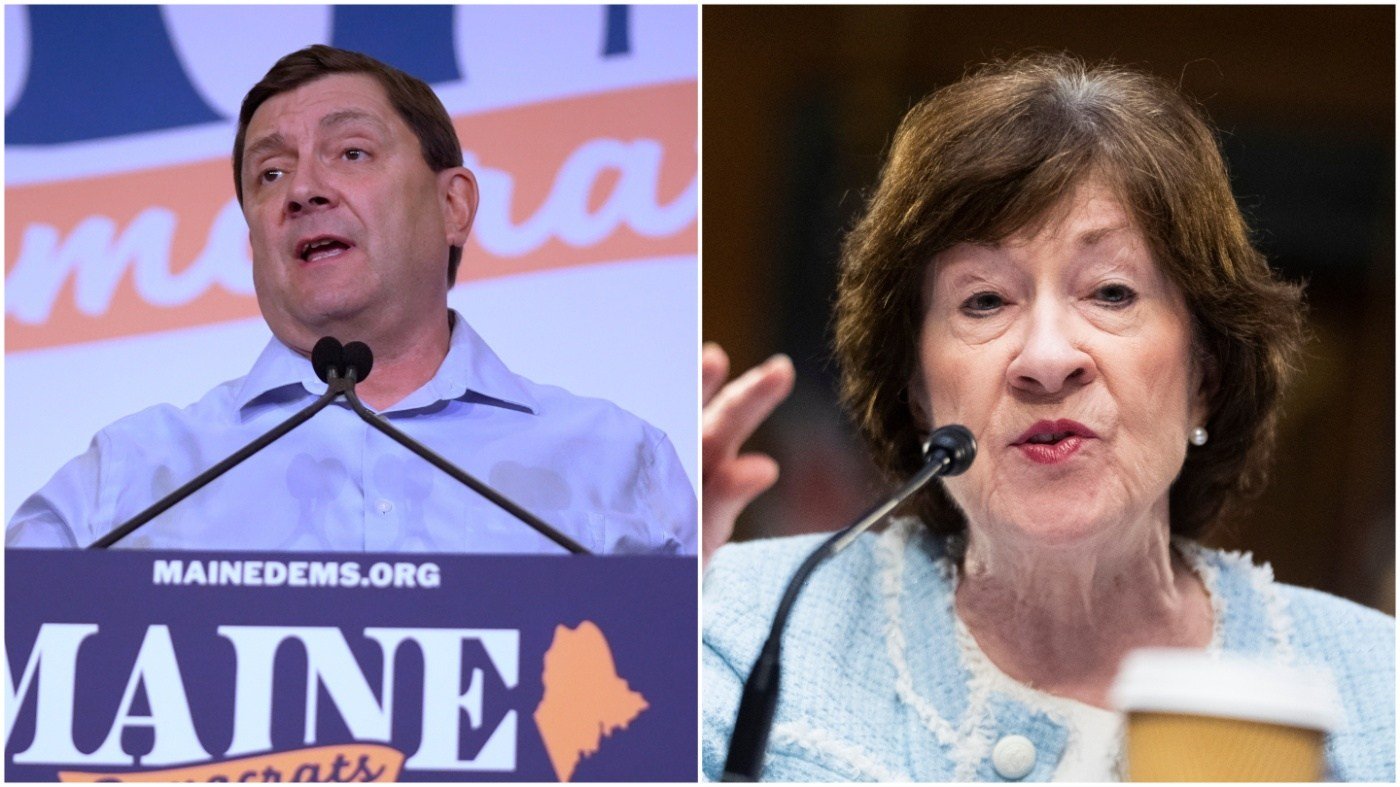
The pattern extends to Senate races. In Maine, the last-minute withdrawal of leftist candidate Graham Platner—who had a Nazi tattoo—threw the Democratic nomination into chaos. State Rep. James Talarico, a left-wing candidate, is the party's nominee in Texas. In Michigan, Abdul El-Sayed, endorsed by Rep. Alexandria Ocasio-Cortez, leads the Democratic Senate primary field after deleting tweets advocating to defund the police.
If successful, these four House primary winners would join existing democratic socialists like Ocasio-Cortez, Rashida Tlaib, Greg Casar, and Summer Lee. In the Senate, three left-wing candidates could join Bernie Sanders. With small majorities, this bloc could become the deciding vote on legislation, forcing Democratic leaders into constant negotiations. As the RNC chair recently argued, the party's leftward drift may accelerate.
The leverage isn't hypothetical. If these members refuse to back leadership's proposals, they could deny Democrats a majority or even vote with Republicans to sink bills they deem insufficiently progressive. The Congressional Progressive Caucus already numbers nearly 100 members in the current Congress, meaning the infrastructure for a left-wing insurgency is in place even before reinforcements arrive.
Democratic leaders had hoped to use the next two years to spotlight the Trump administration's failures. Instead, they may find their own radicals dominating the national stage heading into the first presidential election since 2016 without Trump on the ballot. As one analysis put it, the messengers carrying the party's message could become the story themselves—a scenario Democratic leadership neither needs nor wants.