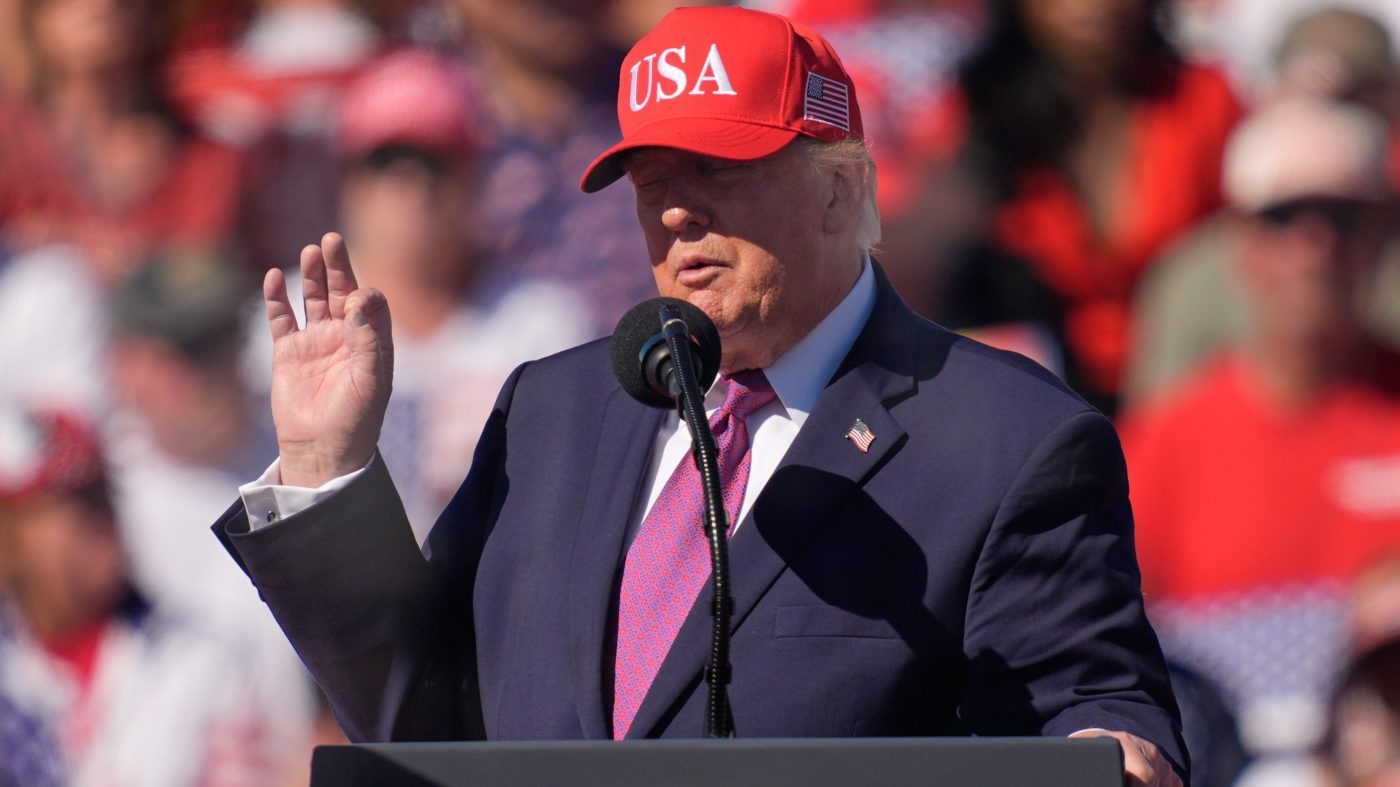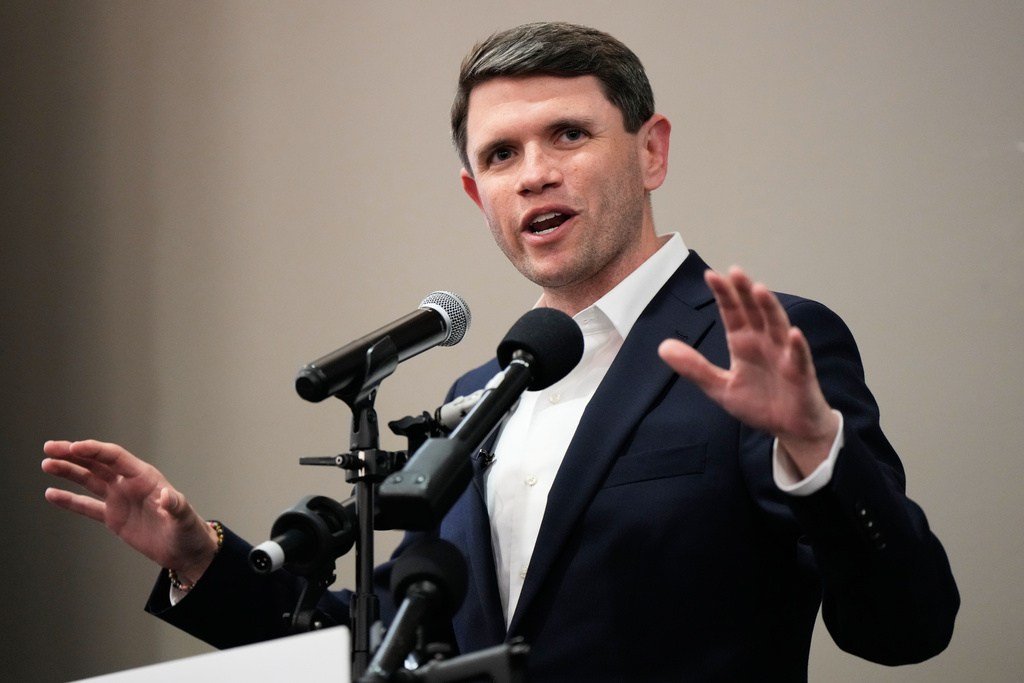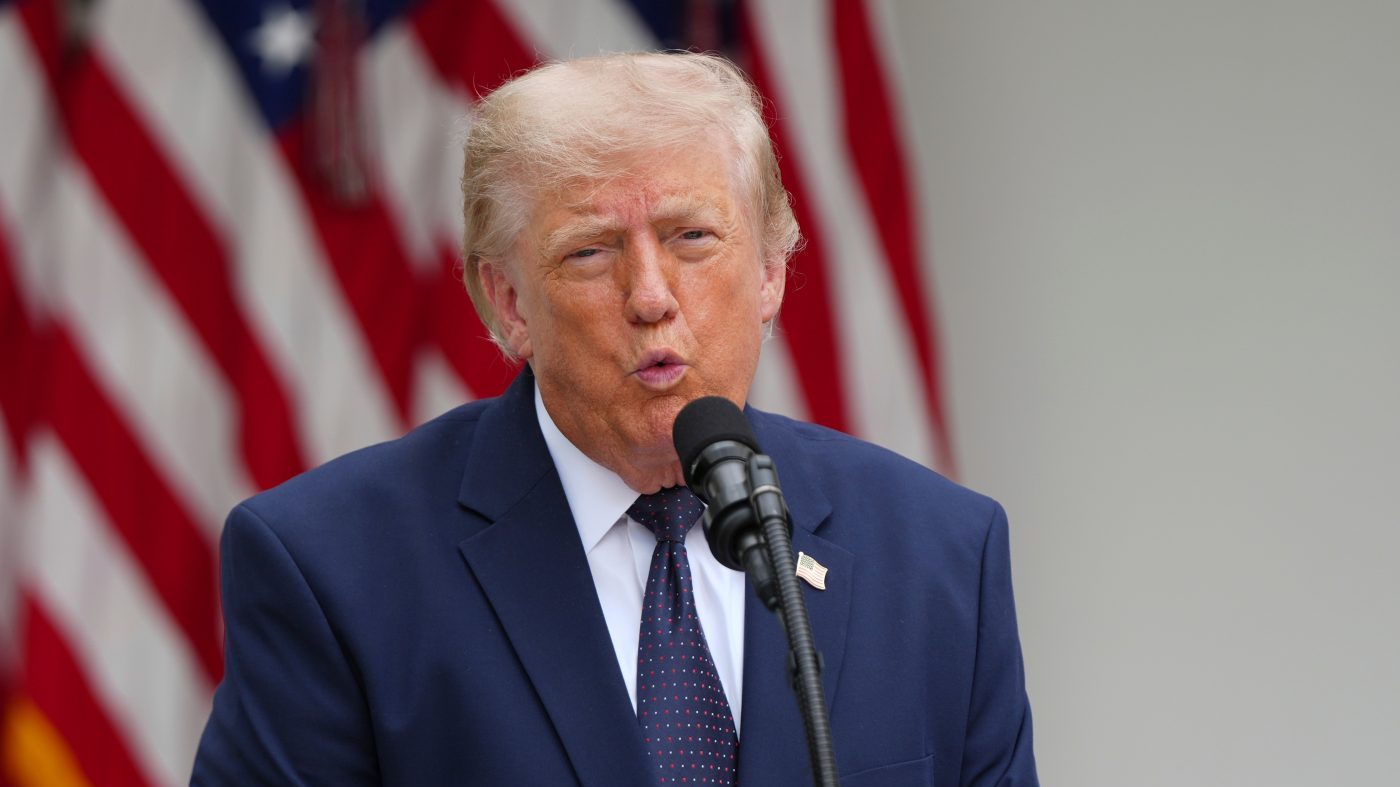
President Trump will address the nation Thursday evening from the White House, delivering what he has previewed as a major speech centered on election security and voting machine concerns. The address, scheduled for 9 p.m. EDT, comes as the president continues to press unsubstantiated allegations about the 2020 election and pushes for new voter identification requirements ahead of November's midterms.
White House press secretary Karoline Leavitt, returning from maternity leave for her first briefing, confirmed the speech's focus on what she called 'secure elections' and framed the issue as a nonpartisan priority. However, critics note that Trump's repeated claims of a stolen 2020 election have fueled partisan tensions and led to a wave of restrictive voting laws in Republican-led states.
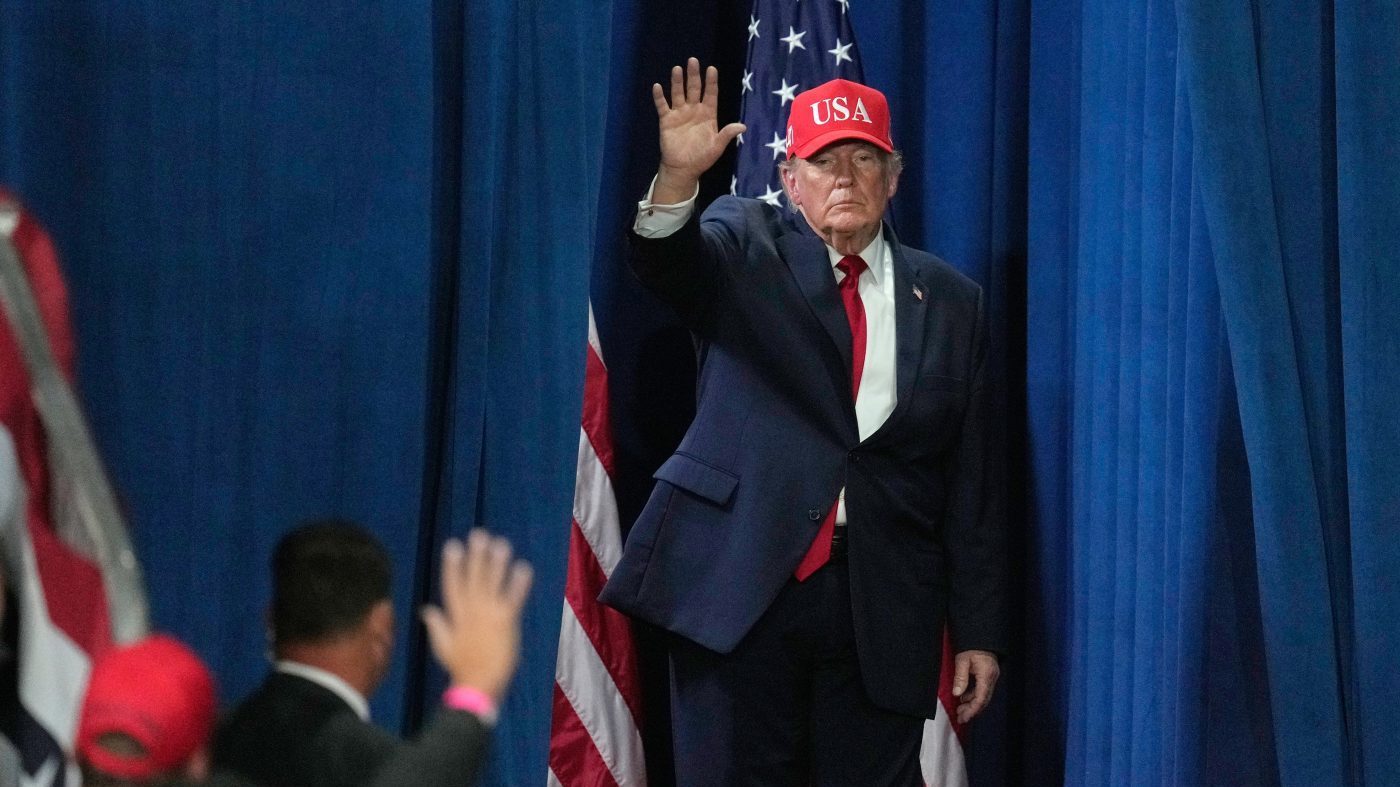
Trump Renews Push for Voter ID Legislation
The president has been urging Senate Republicans to support the Safeguard American Voter Eligibility Act, or SAVE America Act, which would mandate photo identification and proof of citizenship for voter registration and ballot casting. The legislation has drawn sharp criticism from Democrats and voting rights groups, who argue it would disenfranchise minority and low-income voters.
Trump's speech is expected to highlight the bill as a necessary safeguard, though even some Republicans have expressed reservations. Senator Thom Tillis, a key swing vote, recently threatened to stall the bill, calling it 'impossible to implement' in its current form. Leavitt did not address those concerns in her briefing but emphasized the administration's commitment to election integrity.
GOP Unease Ahead of Address
The address arrives amid growing unease within the GOP about Trump's focus on the 2020 election. Some party strategists worry that revisiting the issue could alienate moderate voters and distract from the president's legislative agenda, including budget negotiations and ongoing tensions with Iran. Leavitt dismissed those concerns, insisting the speech would be forward-looking and focused on securing future elections.
Democrats have been quick to condemn the address. Senator Jon Ossoff described it as 'sour grapes' from a sore loser, arguing that Trump's claims have been repeatedly debunked by courts and election officials. Other Democratic lawmakers have called on media outlets not to give the speech live coverage, citing the president's history of spreading misinformation.
Context and Timing
The president's focus on election integrity comes as his administration faces multiple challenges, including a budget battle and escalating tensions with Iran. Some analysts see the speech as an attempt to rally his base and shift attention away from those issues. The White House has also suspended an aide who bet on Trump's speeches, though Leavitt downplayed the incident during her briefing.
Trump has long claimed without evidence that widespread fraud cost him the 2020 election, a narrative that has been rejected by multiple courts, state audits, and his own administration's cybersecurity officials. Despite this, he has continued to pressure state and federal officials to investigate his allegations, leading to a series of controversial audits and legislative efforts.
Thursday's address is expected to include references to voting machine vulnerabilities, though experts say such concerns are largely unfounded. The president has also teased that the speech will touch on broader election security measures, though details remain scarce.
As the nation awaits the president's remarks, the political stakes are high. The midterm elections are less than a year away, and control of Congress hangs in the balance. Trump's continued focus on election fraud could energize his supporters, but it also risks deepening partisan divisions and undermining public confidence in the electoral process.