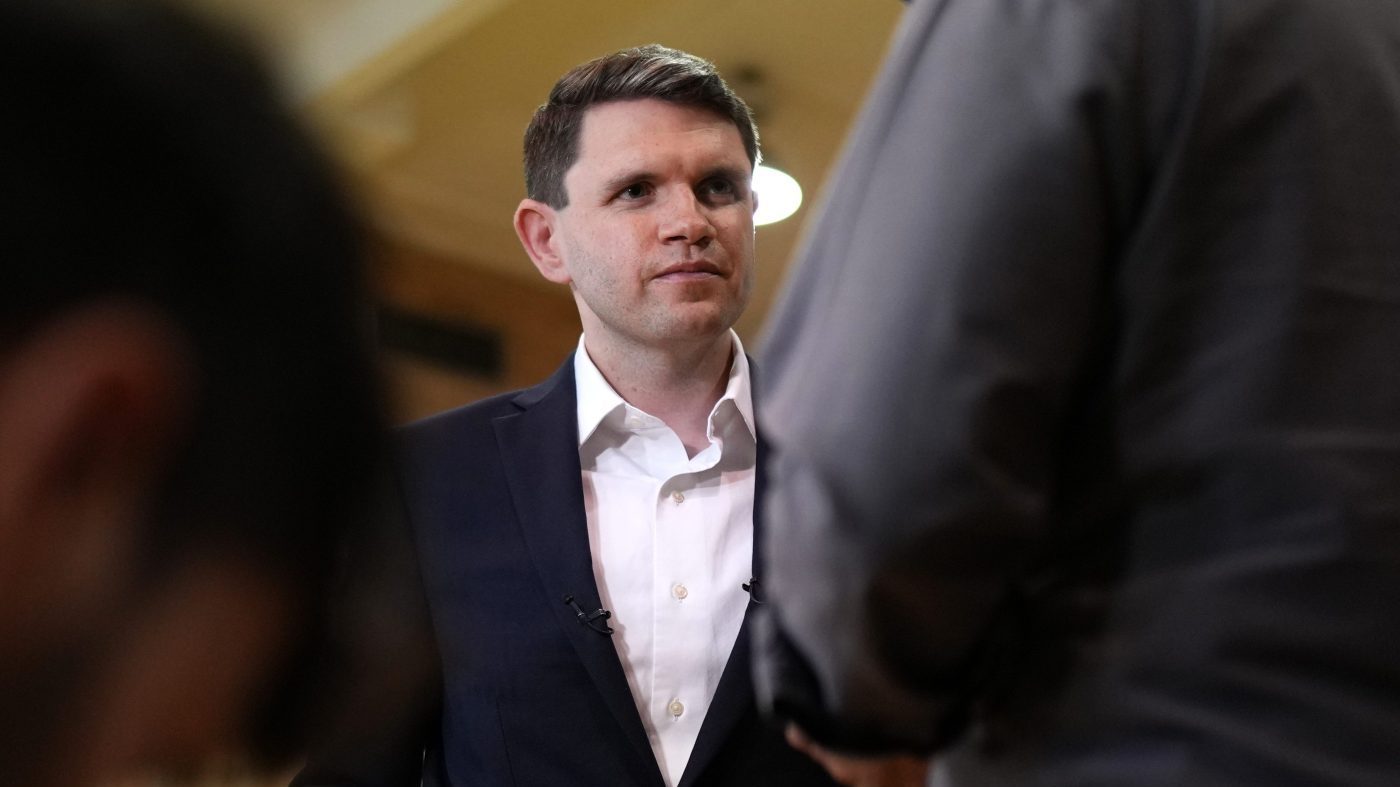
The Trump administration fired the top federal prosecutor in Seattle on Wednesday, escalating a constitutional clash over whether the president can remove U.S. attorneys appointed by the courts. Roger Rogoff was dismissed less than an hour after a panel of 17 district judges named him to the post, making good on acting Attorney General Todd Blanche's warning that the White House retains firing authority over all such officials.
Rogoff has retained employment law counsel, signaling a potential lawsuit that could force the courts to define the limits of presidential power over court-appointed prosecutors. The firing is the latest in a series of similar moves across the country, as the Justice Department asserts sweeping control over prosecutorial appointments.
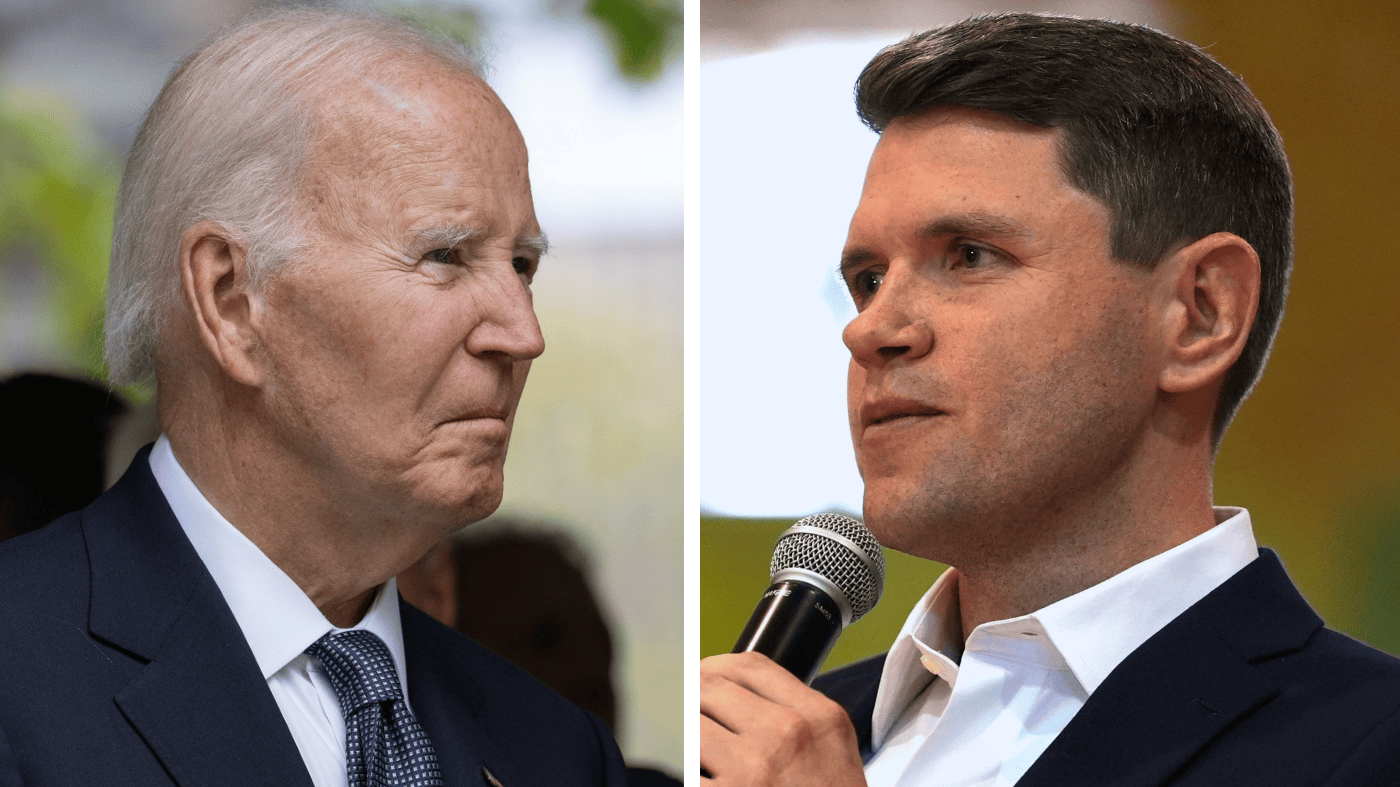
Blanche Defends Firing, Cites Presidential Authority
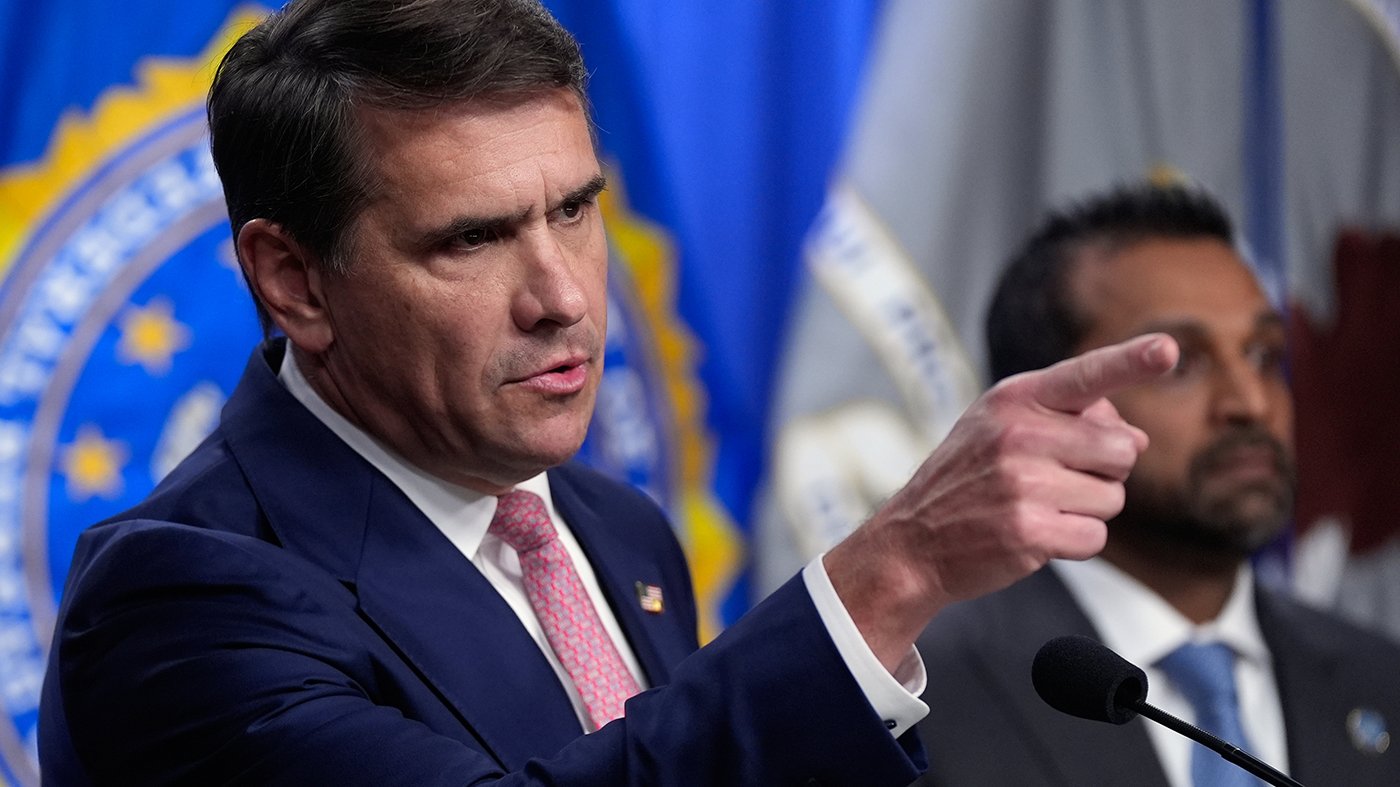
Blanche wrote on social media that the Seattle judges had “abandoned the time-honored process of consultation with the administration.” He added, “District court judges can appoint a temporary U.S. Attorney, and POTUS can fire them.” The administration argues that a 1966 statute gives the president authority to remove “each” U.S. attorney, including those not directly nominated by the White House.
The dispute stems from a vacancy that arose when Neil Floyd, a former immigration judge, served as interim U.S. attorney for the Western District of Washington starting in October. Because Trump never formally nominated Floyd, he was not Senate-confirmed. When Floyd’s 120-day term expired in February, the administration reclassified him as first assistant U.S. attorney, a maneuver that allowed him to continue as acting head. Once that clock ran out, federal law empowered the district judges to appoint someone “to serve until the vacancy is filled,” leading to Rogoff’s appointment—and his swift firing.
Legal Precedent Unsettled
The question of whether the president can fire a court-appointed U.S. attorney is not settled law. A 1979 memo from the Justice Department’s Office of Legal Counsel argued that the 1966 statute extends removal power beyond direct presidential appointees. Former Assistant Attorney General John Harmon wrote at the time that because the president is “responsible for the conduct” of U.S. Attorney’s offices, he must be able to remove one “he believes is an unsuitable incumbent, regardless of who appointed him.”
Georgetown Law professor Paul Butler, a former federal prosecutor under Presidents George H.W. Bush and Bill Clinton, noted that the OLC memo is not legally binding on courts. “It’s something that the administration could cite in a brief as support for its position, but it’s not going to be persuasive authority to any court,” Butler said, calling it a “very technical, legalistic reading” of the law.
Pattern of Evading Senate Confirmation
The tactic used in Floyd’s case mirrors one employed to keep Trump’s former personal attorney, Alina Habba, as the top prosecutor in New Jersey after her term expired. The 3rd U.S. Circuit Court of Appeals ruled in December that Habba had unlawfully remained in the role past her term’s expiration. Then-Attorney General Pam Bondi tried to replace her with a trio of prosecutors, who were also disqualified. The standoff ended in March with the installation of Robert Frazer, a compromise candidate celebrated by all sides.
“When the administration names an interim and then names that person as the first assistant, it is clearly again trying to evade Senate confirmation, so it certainly violates the spirit of the law,” Butler said. Similar battles have played out in Nevada and New York, part of what Butler calls “a larger sea change in the Justice Department.” He added, “The people Trump is appointing to high-level positions are explicitly partisan and much more open to involving the administration and the president specifically in its day-to-day operations.”
Political Fallout in Washington State
The Western District of Washington, which covers Seattle, is a frequent venue for legal challenges to Trump administration policies. Rogoff, a former state judge appointed by then-Governor Jay Inslee (D) in 2013, previously served in the Seattle U.S. attorney’s office and worked at Microsoft’s legal office. Sen. Patty Murray (D-Wash.) called him “eminently qualified” and said, “He should have never been fired, but the President wants to appoint an out-of-touch extremist who will put Trump over the rule of law. This administration doesn’t want to deal with advice and consent—they just want to install cronies to carry out a corrupt political agenda.”
The firing comes as the administration continues to push its authority in other areas, including restoring a tough public charge rule that widens green card denials. The broader pattern of bypassing Senate confirmation has drawn criticism from Democrats, who have blasted Trump's renewed election fraud claims as part of a campaign to undermine institutional norms.