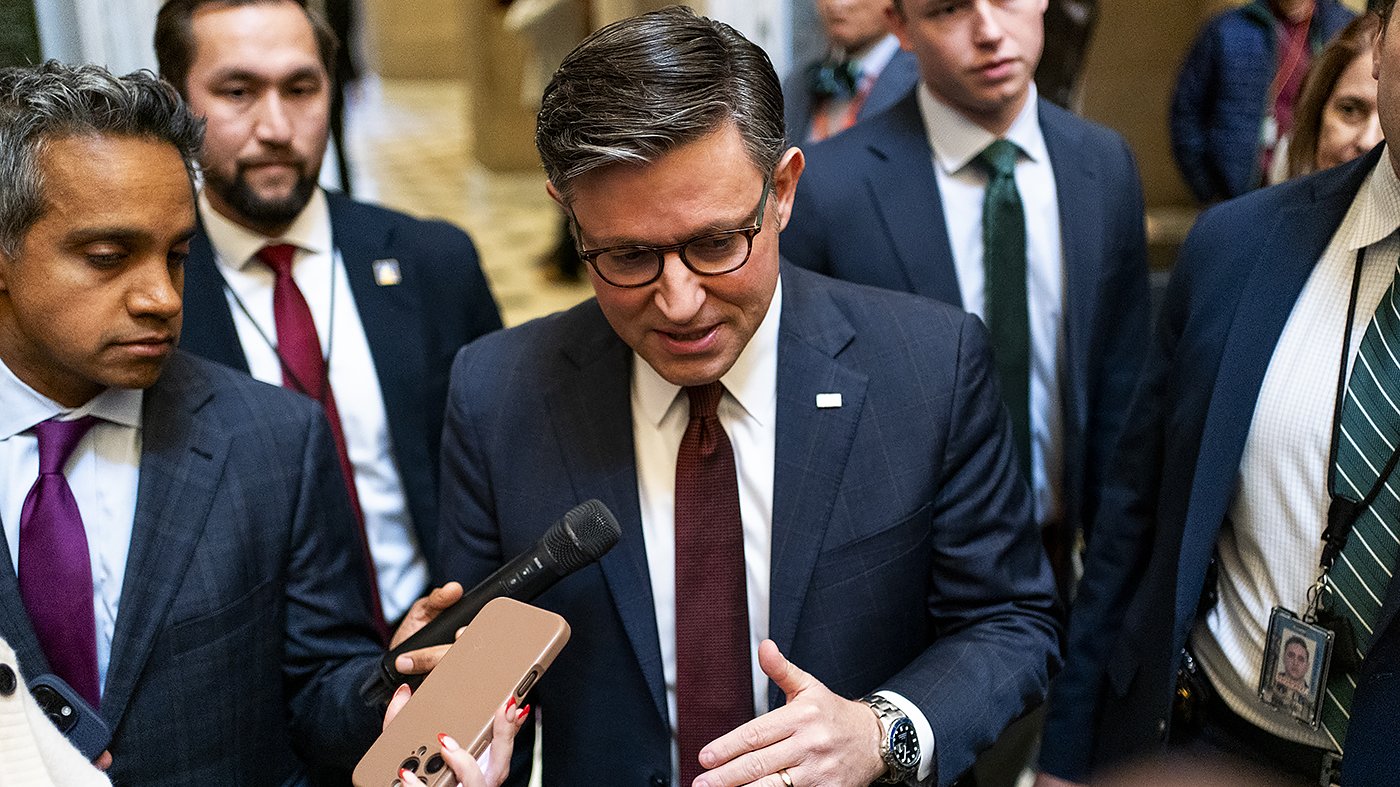
House Republican leadership abruptly pulled a sweeping military benefits bill from the floor Thursday after a Democratic procedural maneuver exposed deep fractures within the GOP over how to fund expanded veterans' compensation. The measure, known as the Take Care of America's Veterans Act (TCAVA), would have paid for new benefits by slashing future disability payments for conditions like tinnitus and sleep apnea—a trade-off that sparked a revolt among some Republicans and divided major veterans organizations.
The crisis unfolded when Democrats forced a procedural vote to send the bill back to committee. Four Republicans crossed party lines to side with Democrats, signaling the underlying legislation lacked the votes to pass. Speaker Mike Johnson (R-La.) and other leaders huddled with holdouts in a Capitol office, trying to flip votes as the clock ticked. After the scramble, three Republicans—Reps. Anna Paulina Luna (Fla.), Max Miller (Ohio), and Jeff Van Drew (N.J.)—voted with Democrats. Rep. Victoria Spartz (R-Ind.) later switched her vote to oppose the Democratic motion, giving leadership a narrow procedural win. But the bill was immediately yanked from the floor anyway.
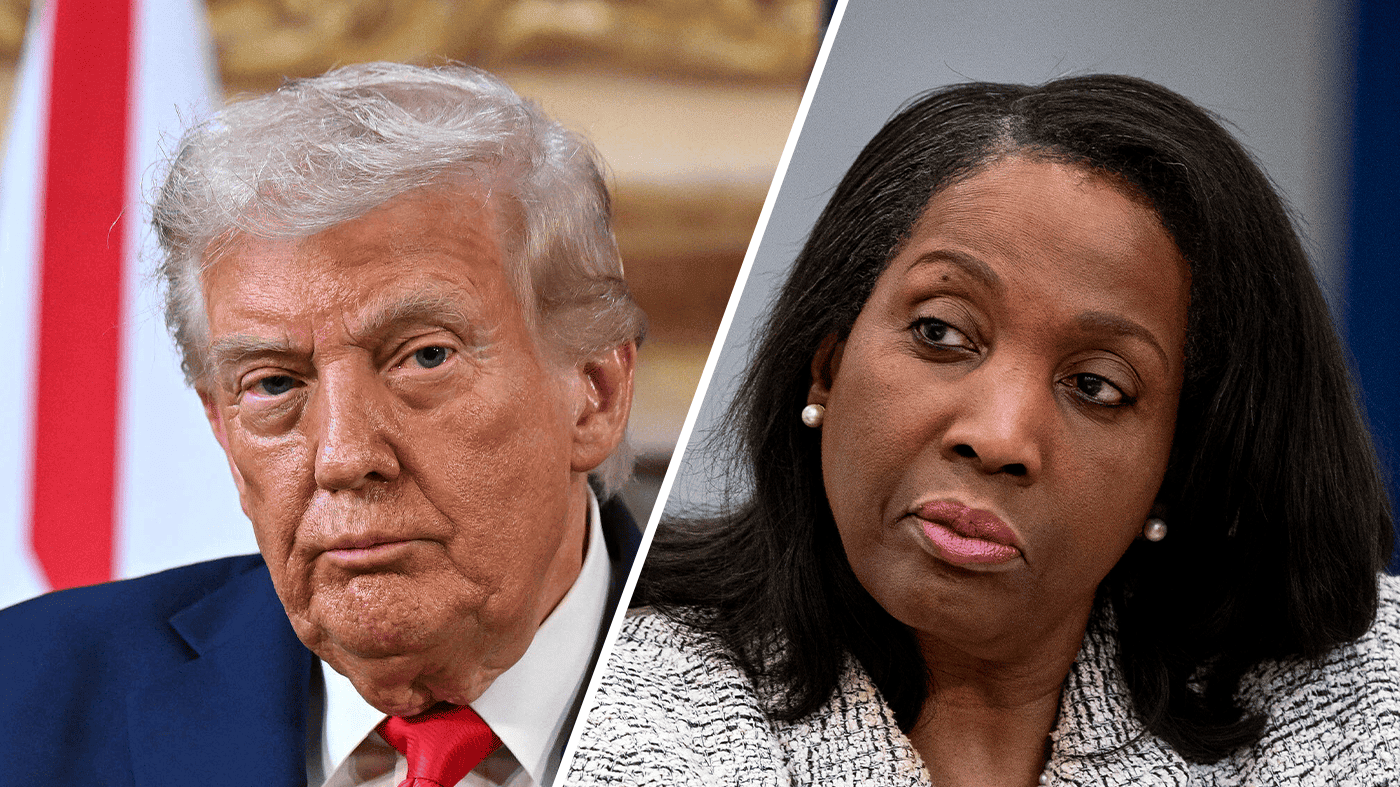
“I’m not going to cut veteran’s benefits,” Luna said after leaving one huddle, encapsulating the sentiment that doomed the package. Van Drew argued the failed vote proved the legislation wasn't ready, adding: “It has good provisions, but paying for them by reducing disability compensation for veterans with service-related health issues is the wrong approach. We can, and must, do better. Start by passing the Major Richard Star Act.”
The TCAVA bundled more than 60 bills, including the widely supported Major Richard Star Act, which would allow medically retired service members to receive both retirement pay and VA disability simultaneously. That standalone measure has backing from nearly 80 senators, over 320 House members, and Defense Secretary Pete Hegseth, but has been stalled over cost concerns. The package also expanded healthcare access and caregiver benefits, drawing support from groups like Vietnam Veterans of America and the Wounded Warrior Project.
House Veterans’ Affairs Committee Chairman Mike Bost (R-Ill.) championed the bill, arguing it fulfilled promises to veterans. “The Take Care of America’s Veterans Act delivers on the promise we have made to put veterans—not big government—back in charge,” Bost said earlier this week. Yet the funding mechanism—redirecting money saved by cutting disability benefits for tinnitus and sleep apnea—proved a bridge too far.
Critics, including Democrats and groups like Veterans of Foreign Wars, argued the approach pitted one generation of veterans against another. “America’s obligation to those who serve is a debt owed by our nation, it is not a debt that should be paid by other veterans,” VFW said this week. Sen. Richard Blumenthal (D-Conn.) and Rep. Mark Takano (D-Calif.) echoed that in a Fox News op-ed, calling the GOP’s insistence on offsets “absurd and cruel.” The American Legion, however, backed the bill, calling it “the strongest path forward” after years of work.
The collapse of the vote underscores the political volatility of veterans’ issues, especially as veterans groups increasingly flex their political muscle. With no clear path forward, the Major Richard Star Act remains stalled, and the broader package is in limbo. Meanwhile, the VA is set to proceed with cuts to tinnitus and sleep apnea disability compensation—funds that would go to the Treasury instead of veterans unless Congress acts.