PORTLAND, Maine — A crowded field of Maine Democrats hoping to replace Graham Platner as the party’s Senate nominee failed to generate breakout moments during their first debate Thursday night, with just days left before the state party selects a new candidate to challenge Republican Sen. Susan Collins.
Nine of the 12 declared candidates qualified for the forum hosted by News Center Maine. They trained their fire on Collins and President Trump’s immigration crackdown, while trying to energize the progressive base that had coalesced around Platner before he exited the race earlier this month amid sexual assault and misconduct allegations, which he has denied.
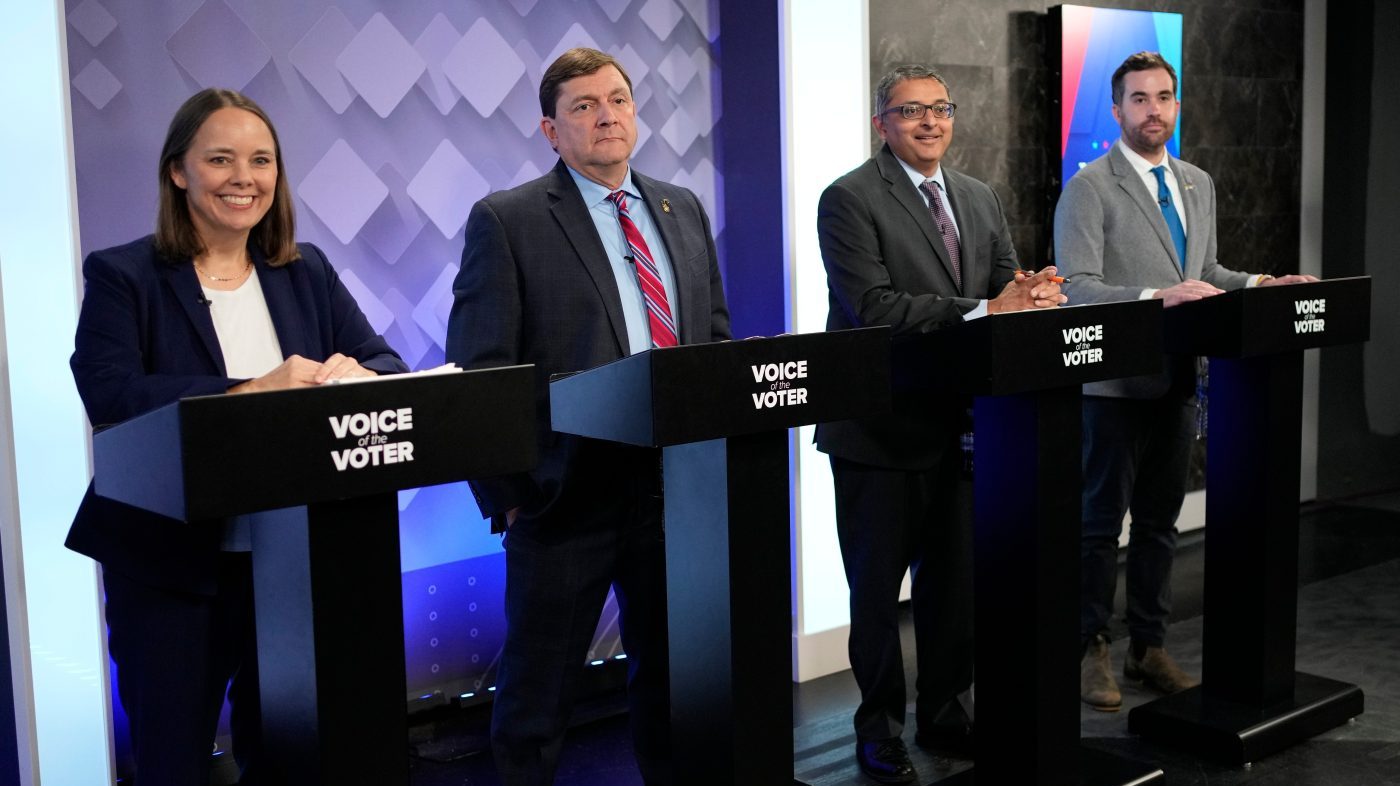
But the debate lacked the sharp contrasts or standout performances that could shift the dynamic in a race that has been upended by Platner’s sudden departure. With the Democratic nominating convention set for next Saturday in Bangor, and a deadline of July 27 to finalize the ballot, the candidates have little time to make an impression.
Four top contenders—Maine Secretary of State Shenna Bellows, former Maine CDC Director Nirav Shah, former state Senate President Troy Jackson, and former House staffer Jordan Wood—debated in the first hour. A second session featured the remaining candidates, including Maine Beer Co. co-founder Dan Kleban.
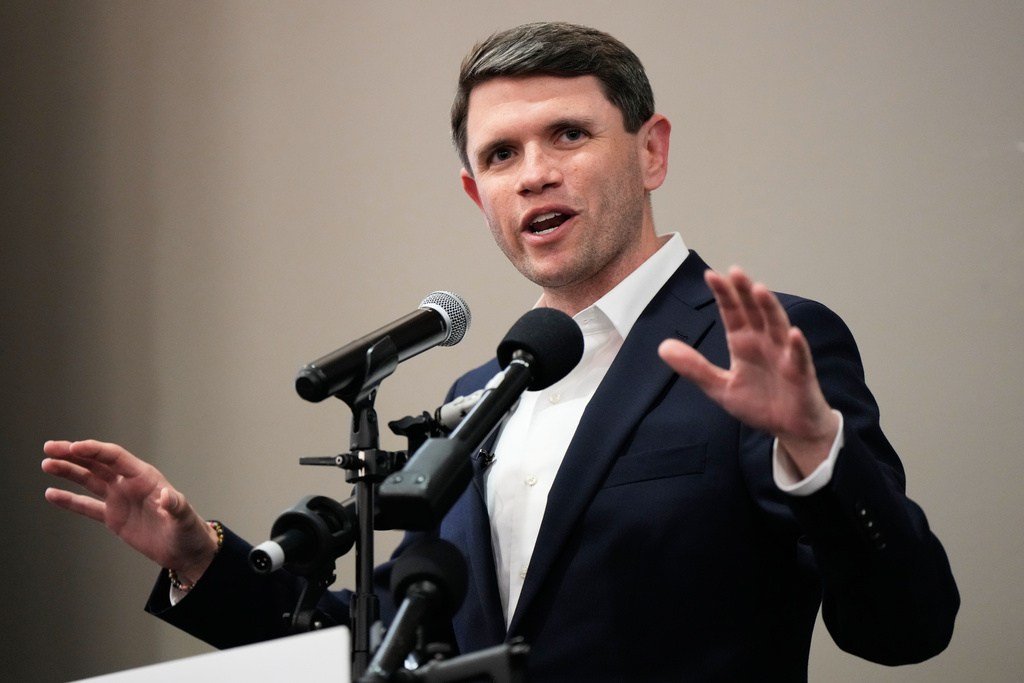
Throughout the evening, candidates avoided direct attacks on Platner, even as they sought to inherit his supporters. When moderators asked what ideas from Platner’s campaign they would carry forward, Jackson cited his push for Medicare for All. Shah highlighted Platner’s call to abolish ICE, a position Shah said he shares. Wood, who dropped his own Senate bid to run unsuccessfully for the House before Platner’s exit, said Platner shifted his view on Israel’s war in Gaza, leading him to embrace the term “genocide.”
“When I got into this race, I was very hesitant to use the word genocide… Graham got into this race saying this is genocide,” Wood said. “I embrace that position now, but I learned it from him.”
The absence of fireworks stood in contrast to Platner’s insurgent campaign, which had captured attention with its populist energy. Several candidates are fresh off losses in last month’s primaries for governor and House seats, scrambling to replicate the momentum that Platner had built.
Shah sought to distinguish himself by highlighting his tenure as Maine’s CDC director, slamming Collins for backing Robert F. Kennedy Jr. as Health and Human Services secretary. Bellows, a former Senate candidate, was repeatedly pressed by moderators to clarify her responses. In the second session, activist Ashley Webb gave answers that Republicans quickly seized on and circulated online.
At one point, Wood argued he was “the only candidate” in the race who could separate himself from Platner, noting that he had called on Platner to drop out last October over controversy surrounding now-deleted Reddit posts and a tattoo resembling Nazi insignia. “It cost me politically,” Wood said.
Additional debates are scheduled for next week, hosted by CNN and the Bangor Daily News, as Democrats race to settle on a nominee who can take on Collins, a four-term incumbent who has faced fierce opposition from the left. The party must submit its candidate by 5 p.m. on July 27 to appear on the November ballot.
The debate, while lacking a clear winner, may help narrow the field. But it remains uncertain whether any of the contenders can capture the energy that once surrounded Platner’s campaign—and whether that energy will be enough to unseat Collins in a state that has become increasingly competitive.