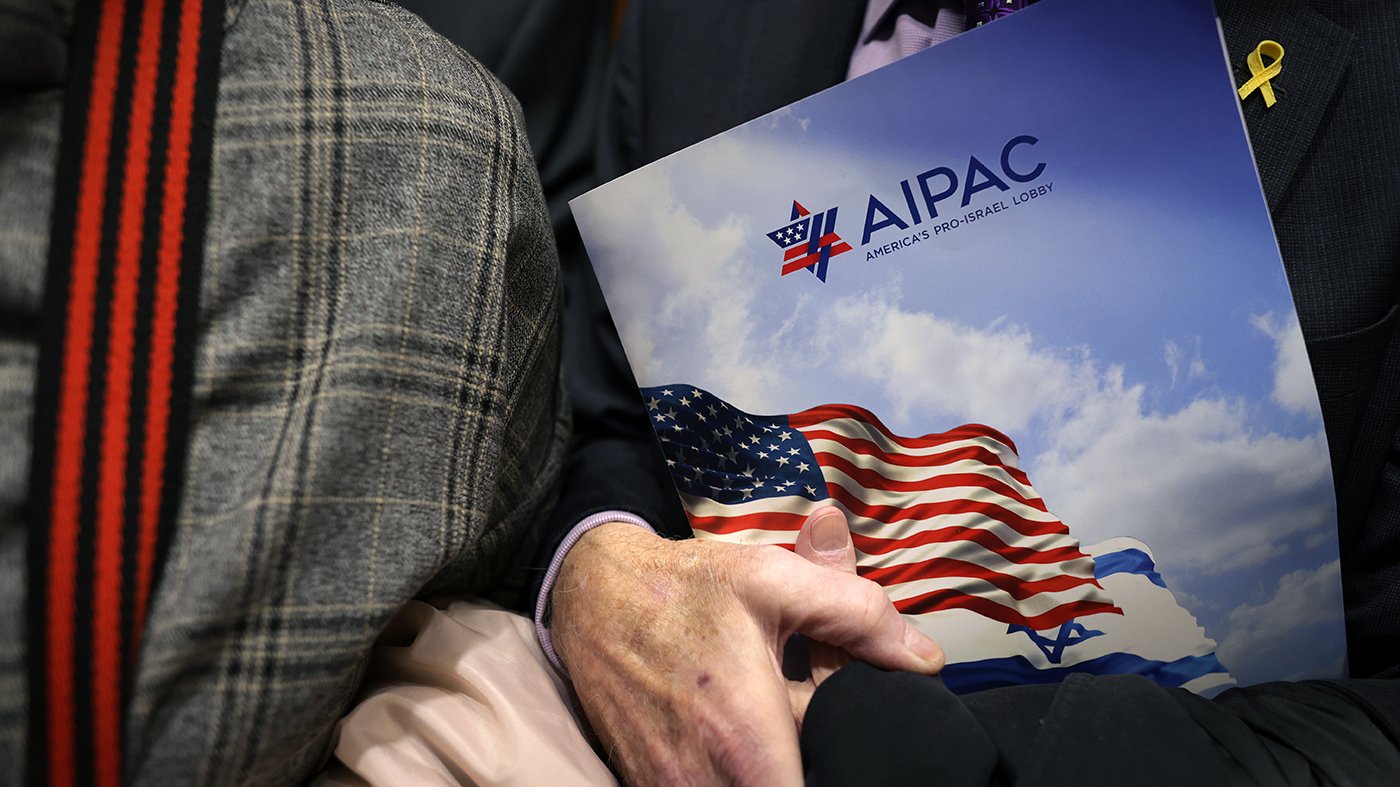
The American Israel Public Affairs Committee (AIPAC) has pulled campaign fundraising support for more than two dozen House Democrats who voted this week to block billions of dollars in U.S. military assistance to Israel. The move underscores a widening rift within the Democratic Party over its stance on the Middle East ally.
On Wednesday, 103 House Democrats backed an amendment from Rep. Thomas Massie (R-Ky.) to the fiscal 2027 State Department and national security funding bill. The measure would have prohibited funds from being used to support Israel and cut $3.3 billion from the Foreign Military Financing program. It failed 104-314-10, with only Massie voting yes among Republicans, but it exposed a significant shift among Democrats toward reevaluating unconditional aid.
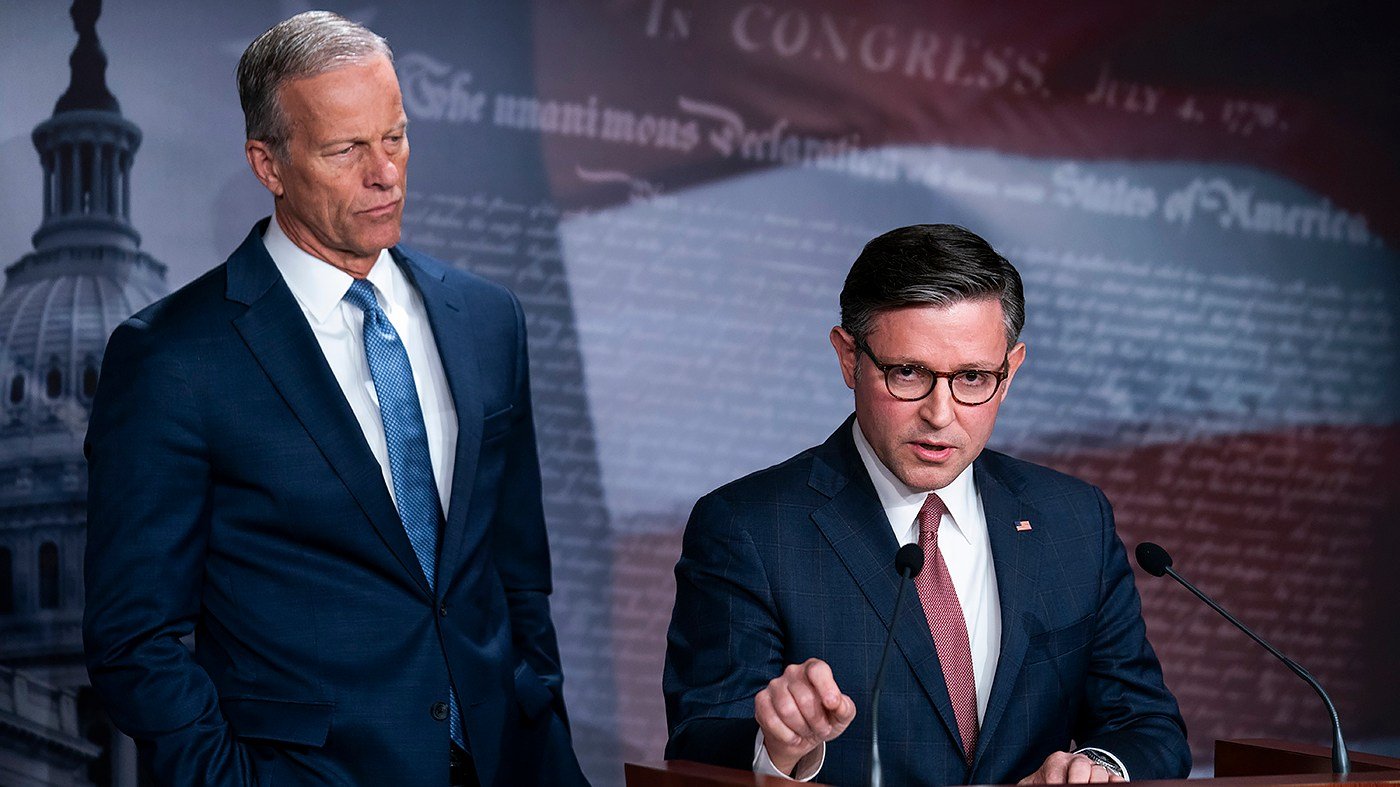
Now, AIPAC’s online donation portal no longer includes the 25 Democratic incumbents who sided with Massie. Among them are House Democratic Whip Katherine Clark (Mass.), former Speaker Nancy Pelosi (Calif.), and Rep. Jake Auchincloss (Mass.). The donation links remain active for Democrats who opposed the amendment, including Minority Leader Hakeem Jeffries (N.Y.) and Caucus Chair Pete Aguilar (Calif.).
“AIPAC members are deeply appreciative of their representatives who stand on principle and are disappointed by those who don’t,” said Deryn Sousa, an AIPAC spokesperson, in a statement.
The decision is the latest flashpoint in a broader intraparty battle over Israel policy. Progressive Democrats have increasingly pressed for conditions on aid, citing the humanitarian crisis and civilian casualties in Gaza. The issue has become a litmus test in Democratic primaries, pitting centrist pro-Israel factions against left-wing critics.
Auchincloss defended his vote in a statement, arguing that Israeli Prime Minister Benjamin Netanyahu and President Trump had betrayed congressional trust. “The authority from Congress to finance and sell American-made weapons to allies is a grant of trust to both a presidential administration and its counterparty heads of government,” he wrote. He accused both leaders of waging a “disastrous war against Iran” and fostering “settler violence in the West Bank.”
AIPAC has taken similar action before. In May 2024, it halted direct donations to 15 Republican lawmakers who voted against $14 billion in emergency military aid for Israel. The group’s latest move signals it will continue to enforce loyalty on Israel funding votes, even as Democratic divisions deepen ahead of the 2026 midterms.
The failed Massie amendment highlighted a growing faction of Democrats willing to challenge the status quo. Meanwhile, the party’s centrist leadership, including Jeffries and Aguilar, has maintained a more traditional pro-Israel stance. This divide is likely to intensify as primary season approaches, with candidates facing pressure from both pro-Israel donors and grassroots activists demanding accountability over Gaza.
For now, the 25 Democrats cut off from AIPAC fundraising face an uncertain financial landscape. The group’s political action committee has been a major donor to pro-Israel incumbents, and its absence could reshape spending in key races. The Maine Democratic Senate primary, already a battleground over foreign policy, could be an early test of how this rift plays out at the ballot box.