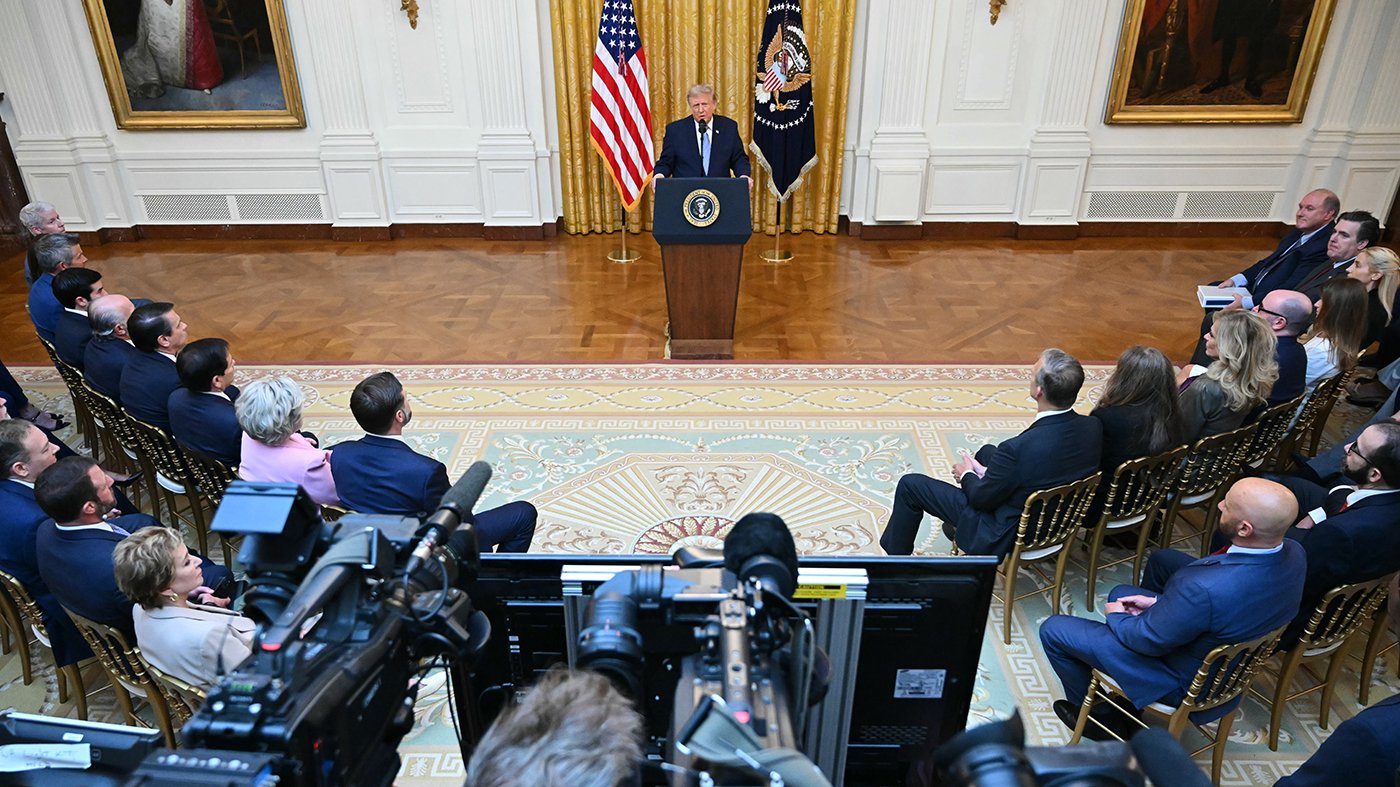
President Trump delivered a primetime address from the White House on Thursday, alleging vulnerabilities in the American election system. However, the information he presented largely recycled old claims and did not provide evidence that any past election results were fraudulent.
Trump pointed to newly declassified documents suggesting foreign adversaries, particularly China, could interfere in future elections. He used this to push for his signature voting bill requiring proof of citizenship to vote, but the documents did not reveal any new threats or show that past elections were compromised.
China's Role in Election Interference
Trump's biggest accusation was that China sought to sway the 2020 election. He claimed Beijing acquired more than 200 million U.S. voter files, including names, addresses, and party affiliation. However, this data is routinely purchased by political parties and does not require hacking.
A 2021 intelligence community report concluded with “high confidence” that China did not interfere in the 2020 election, though it “probably” continued efforts to gather voter information to influence policy. The report also stated China “did not interfere with election infrastructure, including vote tabulation or the transmission of election results.”
Trump quoted a CIA report alleging China meddled since the 2018 midterms, but he failed to note that the intelligence community's top concerns in 2020 were Russia and Iran. A chart included in the declassified documents showed Russia was the only country targeting U.S. election processes.
The Chinese Embassy in Washington quickly refuted Trump's claims. Spokesperson Liu Chang stated, “China has all along adhered to the principle of non-interference in other's internal affairs.”
Voting Machine Vulnerabilities
Trump claimed documents show Americans were “blatantly lied to about the security of our election infrastructure.” He listed voter registration data, poll books, and election websites as vulnerable, but none are involved in counting ballots.
An analysis from January 2020 noted these systems may be vulnerable to “local exploitation but would be difficult to manipulate on a wide enough scale to alter the election outcome.” Trump also cited Venezuela's Maduro regime rigging voting machines, but an intelligence report stated those machines “did not have the capability to manipulate the outcome of an election outside of Venezuela.” The type of machines used in Venezuela are only used in one location in the U.S.
Experts point to pre- and post-voting checks, paper ballots, and the fact that most voting machines are not connected to the internet as safeguards. There remains no evidence of rigged machines in past U.S. elections.
Noncitizen Voting Claims Lack Evidence
Trump claimed a DHS review found roughly 278,000 noncitizens registered to vote in federal elections, adding that “Democrat states refuse to share their voter files, so the real number is much higher.” However, the DHS letters to four states found no evidence that any had cast ballots, and copies obtained by The Hill revealed gaps in the numbers.
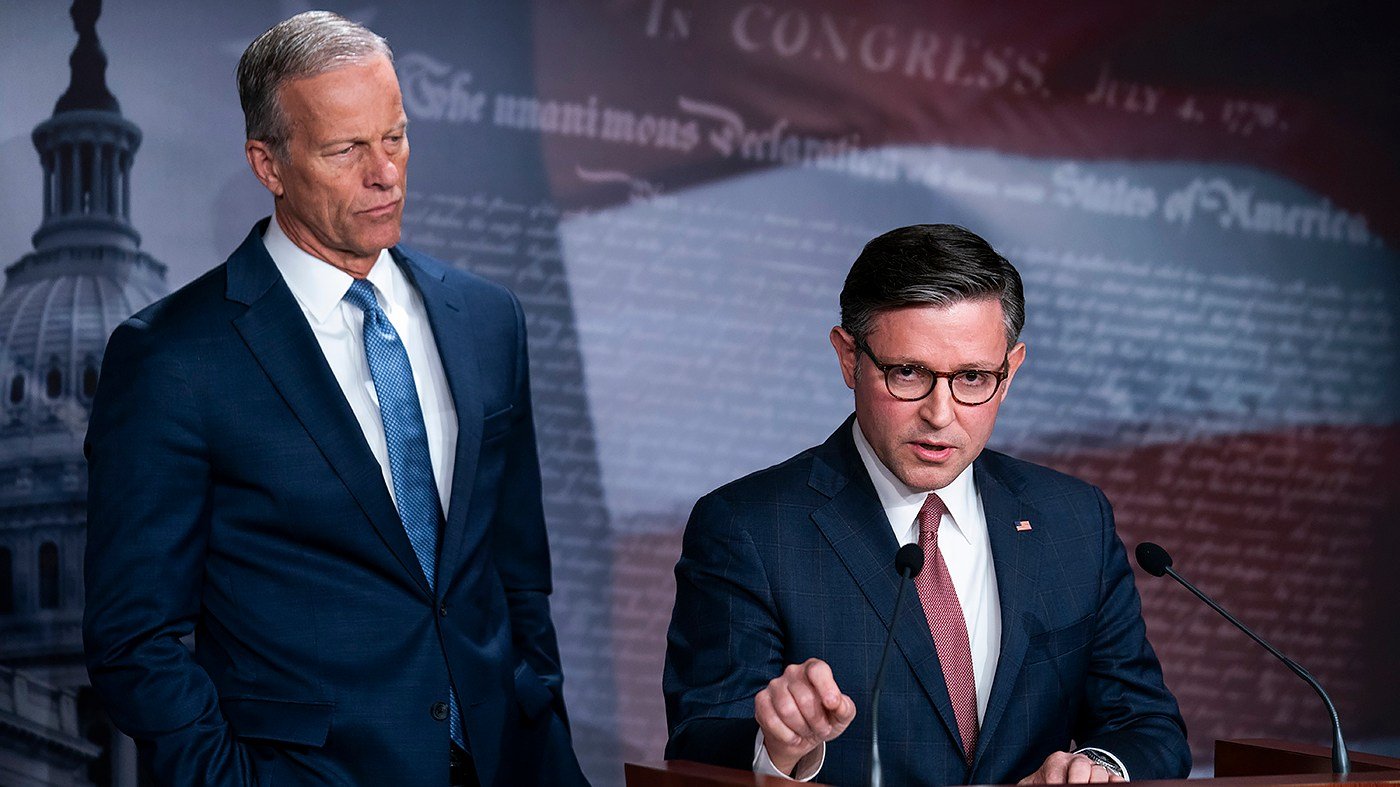
In related news, GOP lawyer Ginsberg has rejected Trump's voter fraud claims, citing a lack of evidence. Meanwhile, Rep. Himes accused Trump of a “bald-faced lie” in his election security speech. The administration also slashed journalist visas, targeting Chinese press with a 90-day limit, amid ongoing tensions over election interference allegations.