Former White House AI and cryptocurrency czar David Sacks said Friday that the United States is jeopardizing its technological supremacy by imposing excessive regulatory burdens on artificial intelligence, just as a new Chinese model demonstrates the growing competitive threat from Beijing.
Speaking after the release of Kimi K3, a model from Chinese startup Moonshot AI that its developers claim performs on par with Anthropic and OpenAI's leading systems, Sacks described the development as “concerning.” The AI evaluator Arena ranked Kimi at the top for front-end coding, underscoring the rapid progress of Chinese AI firms.
“Meanwhile America is tying itself in knots: politicians and bureaucrats are banning new data centers, piling on state regulations, and pushing for new federal agencies to pre-approve frontier models,” Sacks wrote in a post on social platform X. “This is how you lose the AI race.”
The venture capitalist, who left his White House role in late March, appeared to criticize the Trump administration’s recent regulatory approach. He argued that “permissionless innovation” was key to America’s internet dominance and said the same approach could secure leadership in AI—if policymakers avoid bogging the industry down with rules.
“The rest of the world won’t play by our rules if we bog ourselves down,” Sacks continued. “We can do it again with AI — while addressing risks in a targeted way — or we’ll watch our lead evaporate.”
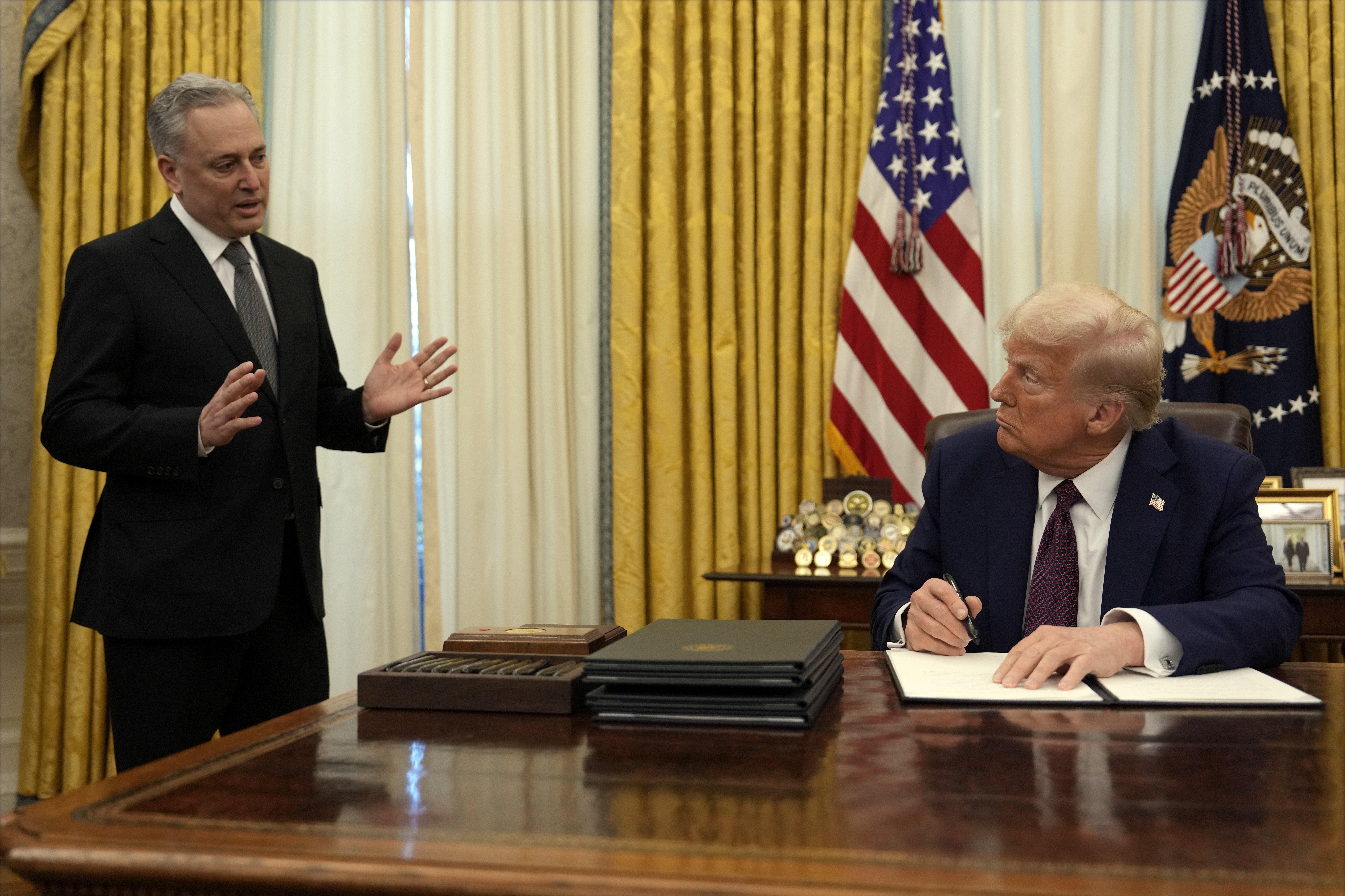
The White House has struggled to balance its stated commitment to unhampered innovation with growing cybersecurity concerns as models become more powerful. In early June, President Trump signed an order creating a voluntary testing framework allowing companies to share models with the government up to 30 days before public release—a scaled-back version of an order Sacks reportedly opposed.
But the administration’s actions have been inconsistent. After Anthropic released its Fable and Mythos models last month, the White House imposed an export control order that forced the company to pull both models, though it lifted the restrictions in late June. OpenAI, meanwhile, agreed to roll out its new GPT-5.6 model to a limited group of partners at the government’s request before publicly releasing it in July.
White House officials emphasized at the time that they did not give OpenAI a “green light” approval, stating that “no such permission is required or granted.”
Sacks’s warning comes amid a broader debate over how to balance national security, economic competitiveness, and innovation in AI. Critics of heavy regulation point to recent espionage cases as evidence that the US must remain vigilant, but Sacks argues that excessive bureaucracy could hand the advantage to China. Meanwhile, some experts argue that targeted use of AI itself can enhance oversight without stifling progress.